 Skip to content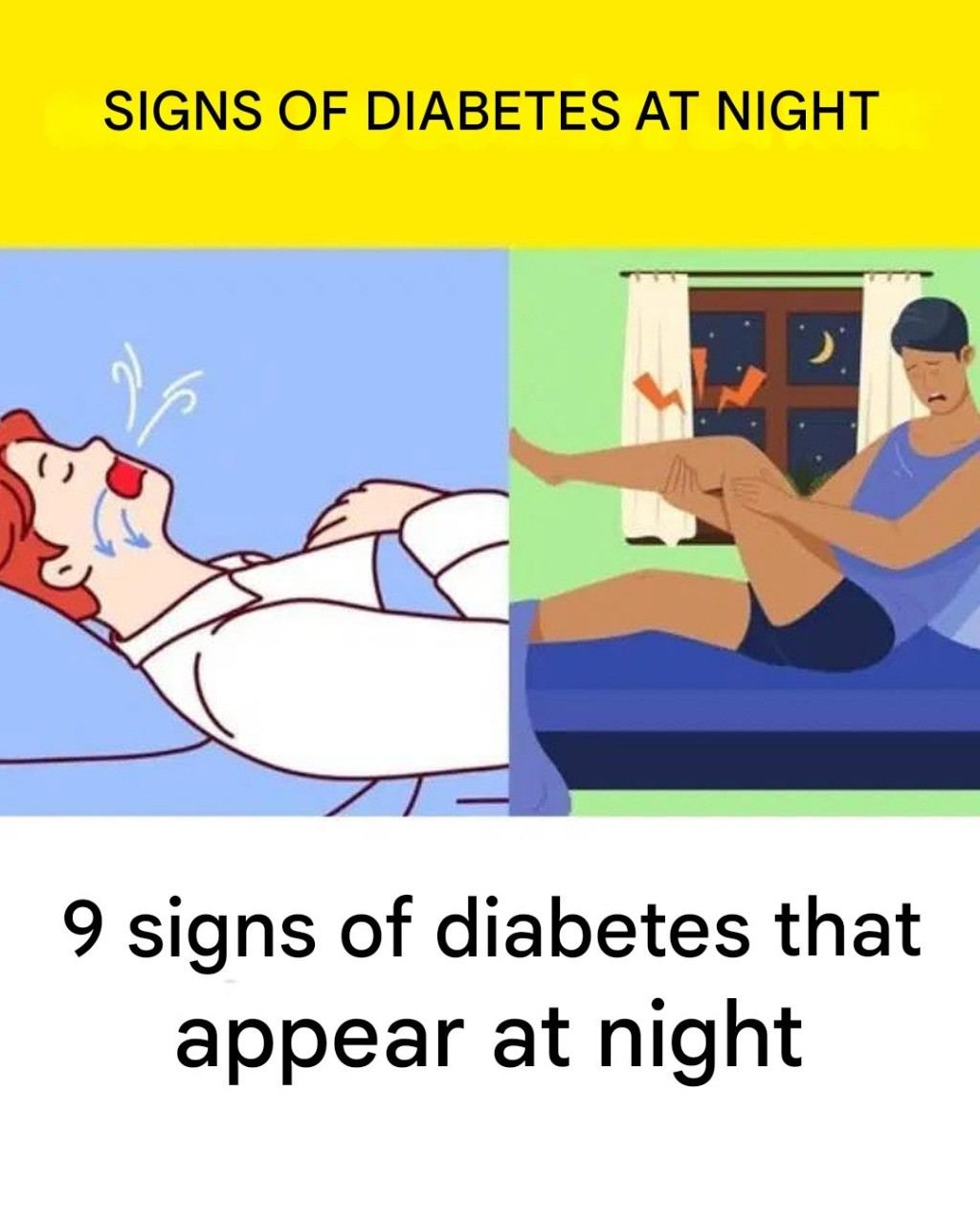
9 Signs of Diabetes That Appear at Night
Diabetes often develops quietly, with symptoms that are easy to overlook—especially at night when the body’s signals can be mistaken for stress, aging, or poor sleep habits. However, nighttime symptoms can be some of the earliest warning signs that blood sugar levels are not well controlled. Recognizing these clues early can lead to faster diagnosis, better management, and fewer long-term complications.
Here are nine common signs of diabetes that tend to appear or worsen at night, and why they matter.
- Frequent Urination During the Night (Nocturia)
Waking up multiple times to urinate is one of the most common nighttime signs of diabetes. High blood sugar causes the kidneys to work harder to remove excess glucose from the blood, producing more urine. If you regularly wake up two or more times each night to use the bathroom, it may be more than just drinking water before bed.
- Excessive Thirst at Night
If you feel unusually thirsty late at night or wake up with a dry mouth, it could be linked to elevated blood sugar. As your body loses fluids through frequent urination, it tries to compensate by triggering thirst—even while you sleep.
- Night Sweats
Unexplained sweating during sleep, especially if it soaks your sheets or clothing, may be a sign of low blood sugar (hypoglycemia), which can occur in people with diabetes—particularly those taking insulin or certain medications. The body releases stressoti
Hormones like adrenaline in response to falling glucose levels, causing sweating and restlessness.
- Restless or Poor-Quality Sleep
People with diabetes often experience fragmented sleep. Blood sugar fluctuations, frequent bathroom trips, thirst, or discomfort in the legs can all interfere with deep, restful sleep. Over time, poor sleep can worsen insulin resistance, creating a harmful cycle.
- Tingling, Burning, or Numbness in the Feet
Diabetic neuropathy—nerve damage caused by prolonged high blood sugar—often becomes more noticeable at night. Tingling, burning, pins-and-needles sensations, or numbness in the feet and legs may intensify when you lie down and distractions fade.
- Leg Cramps at Night
Painful leg cramps or muscle spasms during sleep may be related to diabetes. Poor circulation, nerve damage, or electrolyte imbalances linked to blood sugar problems can trigger nighttime cramps, particularly in the calves.
- Snoring or Breathing Problems During Sleep
Diabetes is closely linked to sleep apnea, a condition where breathing repeatedly stops and starts during sleep. Loud snoring, gasping for air, or waking up feeling unrefreshed may indicate sleep apnea, which is more common in people with insulin resistance and type 2 diabetes.
- Nighttime Hunger
Waking up hungry in the middle of the night—especially with cravings for sweets or carbohydrates—can be a sign of unstable blood sugar levels. When glucose drops too low, the body sends hunger signals as a way to restore balance.
- Morning Fatigue Despite a Full Night’s Sleep
If you wake up feeling exhausted even after sleeping for several hours, diabetes may be a contributing factor. Blood sugar swings during the night can prevent restorative sleep, leaving you tired, foggy, and low on energy the next day.
Why Nighttime Symptoms Should Not Be Ignored
Nighttime signs are particularly important because they often go unnoticed or are blamed on aging, stress, or poor sleep habits. However, when several of these symptoms occur together—or persist over time—they may signal underlying blood sugar problems that need medical attention.
What to Do If You Notice These Signs
If you experience multiple nighttime symptoms regularly, consider the following steps:
Monitor your symptoms and note how often they occur
Get a fasting blood sugar or HbA1c test
Improve evening eating habits (avoid heavy, sugary meals before bed)
Maintain a consistent sleep schedule
Consult a healthcare professional for proper diagnosis
Early detection of diabetes can significantly reduce the risk of complications such as nerve damage, heart disease, kidney problems, and vision loss.
Final Thoughts
Diabetes does not only affect you during the day—your body continues to send signals while you sleep. Paying attention to nighttime symptoms like frequent urination, night sweats, tingling feet, or persistent fatigue can provide valuable early warnings. Listening to your body and acting early can make a powerful difference in long-term health.