 Skip to content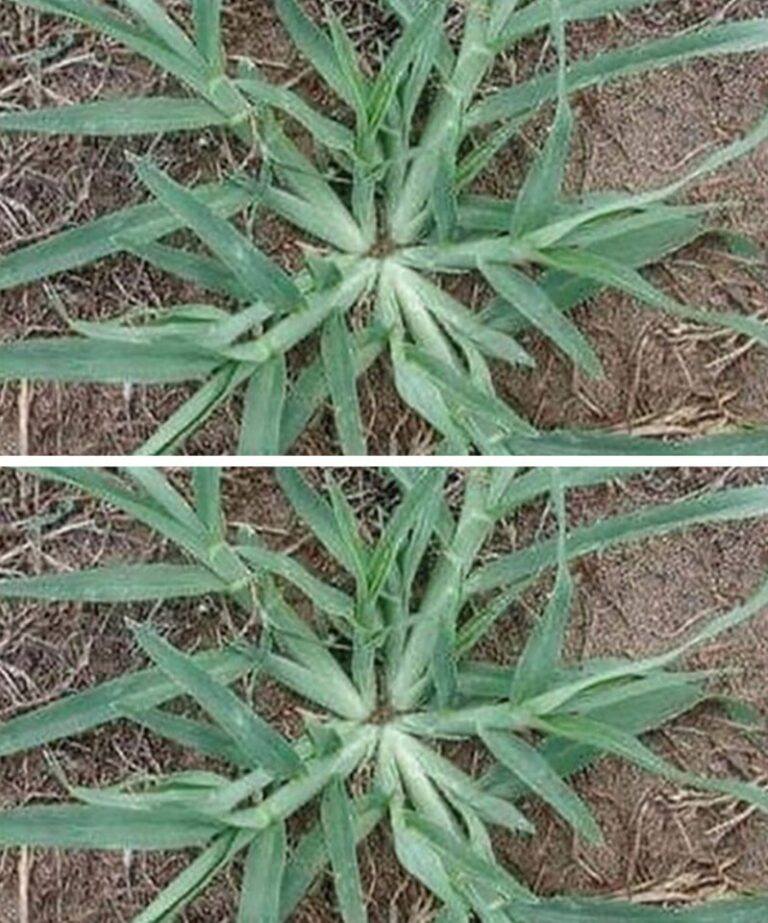
Never Uproot This Plant If It Appears in Your Garden
At first glance, it may look like just another stubborn weed pushing its way through your garden soil. Many people pull it out without a second thought, assuming it competes with their vegetables or flowers. But what if that humble plant is actually a hidden treasure—one that improves soil health, supports your garden ecosystem, and even offers impressive health benefits? One such plant you should never uproot is purslane.
What Is Purslane?
Purslane (Portulaca oleracea) is a low-growing plant with smooth, reddish stems and small, thick, succulent-like green leaves. It spreads easily and often appears uninvited in gardens, lawns, and even sidewalk cracks. Because of this, it’s commonly labeled a weed. However, across many cultures, purslane has been valued for centuries as both a food and a medicinal plant.
A Nutritional Powerhouse Hiding in Plain Sight
One of the biggest reasons you should think twice before removing purslane is its remarkable nutritional profile. Purslane is one of the richest plant-based sources of omega-3 fatty acids, which are essential for heart and brain health. In fact, it contains more omega-3s than many leafy vegetables.
It is also packed with:
- Vitamin A (supports eye and skin health)
- Vitamin C (boosts immunity)
- Vitamin E (powerful antioxidant)
- Magnesium, potassium, iron, and calcium
This combination makes purslane a true superfood growing freely in your garden—no fertilizer, no effort.
Natural Medicine From the Garden
Traditional medicine systems around the world have used purslane to support health in many ways. It has been associated with:
- Reducing inflammation
- Supporting digestion
- Helping regulate blood sugar levels
- Promoting heart health
- Supporting urinary and kidney function
Modern research has also noted its antioxidant and anti-inflammatory properties, which help protect cells from damage caused by oxidative stress.
Excellent for Your Soil
Beyond human health, purslane is incredibly beneficial for your garden itself. Its deep-growing roots help:
- Prevent soil erosion
- Improve soil structure
- Retain moisture in dry conditions
Purslane thrives where other plants struggle, making it a natural indicator of soil health. When left in place, it acts like a living mulch, protecting the soil surface from harsh sun and reducing water loss.
A Friend to Pollinators
Those tiny yellow flowers you may barely notice are actually valuable to bees and beneficial insects. By allowing purslane to grow, you support pollinators that are essential for fruiting vegetables and overall garden balance.
Edible and Delicious (Yes, Really)
Purslane isn’t just healthy—it’s tasty. Its leaves have a slightly lemony, crisp flavor. You can:
- Add it fresh to salads
- Toss it into soups or stews
- Sauté it with garlic and olive oil
- Mix it into yogurt-based sauces
- Use it as a spinach substitute
In many Mediterranean, Middle Eastern, and Asian cuisines, purslane is considered a delicacy rather than a nuisance.
Extremely Resilient and Low Maintenance
Another reason to appreciate purslane is its resilience. It grows in poor soil, survives drought, and requires no special care. In a world facing climate challenges and water shortages, plants like purslane represent sustainable food sources that demand very little in return.
When Should You Control It?
While purslane is beneficial, moderation matters. If it begins to overwhelm delicate plants, you can simply trim it back instead of uprooting it completely. This allows you to enjoy its benefits without letting it dominate your garden space.
A Shift in Perspective
What we often call “weeds” are simply plants whose value we don’t yet recognize. Purslane is a perfect example of nature quietly offering nutrition, medicine, and ecological support—right under our feet.
So next time you see this small, creeping plant spreading across your garden soil, pause before pulling it out. You may be looking at one of the most useful plants you’ll ever grow—without even trying.