 Skip to content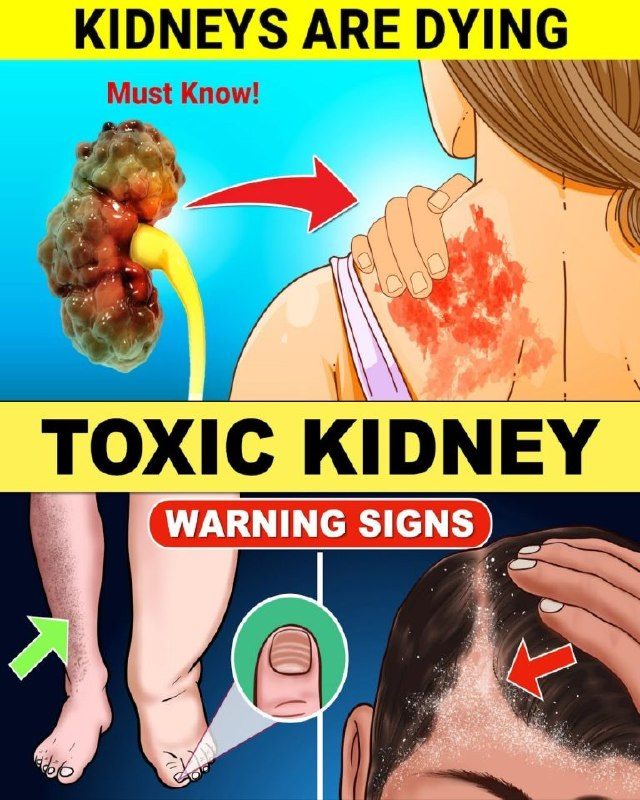
9 Warning Signs Your Kidneys Are Failing | Tests to Detect Problems Early and Avoid Dialysis
Your kidneys work quietly every day, filtering waste, balancing fluids, controlling blood pressure, and supporting red blood cell production. Because kidney disease often develops silently, many people don’t realize there’s a problem until significant damage has already occurred. By recognizing early warning signs and getting the right tests on time, it’s often possible to slow or even prevent progression to dialysis.
Below are 9 key warning signs of kidney failure, followed by essential medical tests that help detect kidney problems early.
9 Warning Signs Your Kidneys May Be Failing
- Persistent Fatigue and Weakness
Healthy kidneys help produce erythropoietin, a hormone that supports red blood cell production. When kidneys fail, anemia can develop, leading to constant tiredness, weakness, dizziness, and difficulty concentrating.
- Swelling in Feet, Ankles, Hands, or Face
Damaged kidneys can’t remove excess sodium and fluids properly. This causes fluid retention, leading to noticeable swelling—especially in the lower legs, feet, and around the eyes.
- Changes in Urination
Watch for:
Frequent urination at night
Foamy or bubbly urine (a sign of protein leakage)
Dark, cloudy, or bloody urine
Decreased urine output
Any persistent change in urination should be taken seriously.
- Shortness of Breath
Fluid buildup in the lungs or severe anemia caused by kidney failure can make breathing difficult, even with mild physical activity.
- Persistent Itching and Dry Skin
When waste products accumulate in the blood, they can cause intense itching, dryness, and skin irritation—often mistaken for allergies or skin conditions.
- Nausea, Vomiting, and Loss of Appetite
Toxin buildup (uremia) can upset the digestive system, leading to nausea, vomiting, metallic taste in the mouth, and poor appetite.
- Muscle Cramps and Restless Legs
Kidney dysfunction disrupts electrolyte balance, especially calcium, potassium, and phosphorus, which can cause painful muscle cramps and restless leg syndrome—often worse at night.
- High Blood Pressure That’s Hard to Control
Kidneys help regulate blood pressure. When they fail, blood pressure often rises—and uncontrolled hypertension further damages the kidneys, creating a dangerous cycle.
- Difficulty Sleeping or Mental Fog
Waste buildup can affect the brain, leading to insomnia, confusion, poor memory, and difficulty focusing. Sleep apnea is also more common in kidney disease.
Critical Tests That Help Prevent Dialysis
Early testing is the most powerful tool for protecting kidney health. These tests can detect problems long before symptoms become severe.
- Blood Creatinine Test
Creatinine is a waste product filtered by the kidneys. High levels in the blood indicate reduced kidney function.
- Estimated Glomerular Filtration Rate (eGFR)
This is one of the most important kidney tests. It shows how well your kidneys are filtering blood.
Normal: 90 or above
Chronic kidney disease: Below 60 for 3 months or more
- Urine Albumin-to-Creatinine Ratio (ACR)
This test detects protein leakage in urine—an early sign of kidney damage, even when eGFR is still normal.
- Routine Urinalysis
Checks for blood, protein, infection, glucose, and abnormal sediment that may indicate kidney disease or urinary tract issues.
- Blood Urea Nitrogen (BUN)
High BUN levels suggest waste accumulation due to impaired kidney filtration.
- Blood Pressure Monitoring
Consistently high blood pressure is both a cause and consequence of kidney disease. Regular monitoring is essential.
- Ultrasound or Imaging Tests
Imaging helps identify kidney size, blockages, cysts, stones, or structural abnormalities that may affect function.
How Early Detection Helps Avoid Dialysis
When kidney disease is caught early:
Blood pressure and blood sugar can be controlled
Medications can reduce protein loss
Diet changes can slow damage
Lifestyle adjustments can preserve remaining kidney function
Many people live long, healthy lives without dialysis by managing kidney disease proactively.
Who Should Get Tested Regularly?
You should have routine kidney tests if you:
Have diabetes or high blood pressure
Are over 40 years old
Have a family history of kidney disease
Use painkillers frequently
Are obese or smoke
Final Thoughts
Kidney failure rarely happens overnight. Your body often sends subtle warning signs long before dialysis becomes necessary. Listening to those signs—and getting the right tests—can make the difference between lifelong kidney health and irreversible damage.
If you notice any of these symptoms, consult a healthcare professional promptly. Early action saves kidneys—and lives.