 Skip to content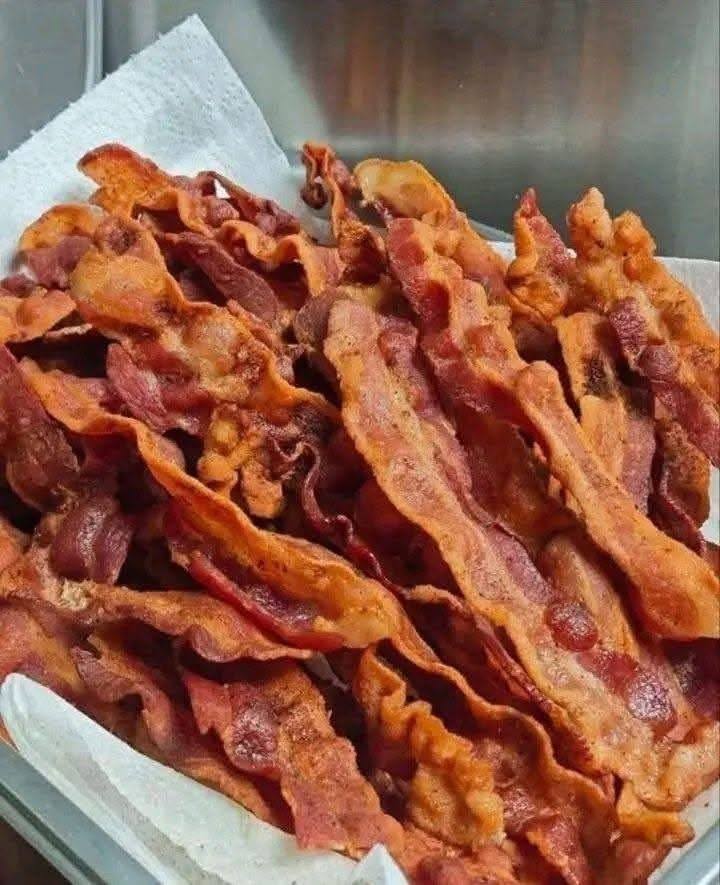
Crispy bacon is more than just a breakfast side—it’s a comfort food, a flavor booster, and a culinary obsession for many. That satisfying crunch, followed by a rich, smoky savor, can elevate everything from eggs and sandwiches to salads, pastas, and even desserts. Yet achieving truly crispy bacon without burning it or ending up with greasy, limp strips can feel surprisingly tricky. The good news? With the right techniques and a little patience, perfect crispy bacon is easy to master at home.
What Makes Bacon Crispy?
Bacon becomes crispy when its fat slowly renders out and the remaining meat cooks until the moisture evaporates. This process requires controlled heat. If the heat is too high, the bacon burns before the fat has time to render. Too low, and it stews in its own grease, becoming chewy instead of crisp. Understanding this balance is the key to success.
The thickness of the bacon also matters. Thin-cut bacon crisps faster and more evenly, while thick-cut bacon requires more time and careful heat control to reach that ideal crunch without charring.
Choosing the Right Bacon
For the crispiest results, start with quality bacon. Look for strips with a good balance of fat and meat—too much fat can lead to excessive grease, while too little can cause dryness. Smoked bacon adds depth of flavor, while unsmoked bacon allows the pure pork taste to shine.
If crispiness is your top priority, standard or thin-cut bacon is ideal. Thick-cut bacon can still be crispy, but it will have a meatier bite and requires longer cooking.
The Best Methods for Crispy Bacon
1. Stovetop Method (Classic and Flavorful)
This is the most traditional way to cook bacon and offers great control.
Start with a cold pan—this is crucial. Lay the bacon strips flat in a skillet without overlapping. Turn the heat to medium or medium-low and let the bacon heat gradually. As the pan warms, the fat begins to melt and render out slowly.
Flip the bacon occasionally to ensure even cooking. As the fat renders, the strips will shrink and darken. Continue cooking until they reach a deep golden-brown color and a firm texture. Remove and drain on paper towels.
Why it works: Slow rendering equals crisp bacon without burning.
2. Oven-Baked Bacon (Even and Effortless)
Oven baking is ideal for cooking large batches and produces evenly crispy bacon with minimal mess.
Preheat your oven to 200°C (400°F). Line a baking tray with foil or parchment paper and place a wire rack on top if you have one. Arrange the bacon strips in a single layer.
Bake for 15–25 minutes, depending on thickness, flipping once if not using a rack. Remove when the bacon looks deeply browned and feels firm.
Why it works: The oven provides consistent heat, allowing fat to drip away and the bacon to crisp evenly.
3. Air Fryer Bacon (Fast and Less Greasy)
The air fryer has become a favorite for crispy bacon lovers.
Set the air fryer to 180–190°C (360–375°F). Place bacon strips in a single layer in the basket. Cook for 7–10 minutes, checking halfway through.
Why it works: Hot circulating air crisps the bacon quickly while reducing excess grease.
4. Microwave Bacon (Quickest Option)
While not always the crispiest, the microwave is convenient.
Place bacon between layers of paper towels on a microwave-safe plate. Cook in 1-minute intervals until crispy.
Why it works: Paper towels absorb fat, helping the bacon crisp faster.
Tips for Extra Crispy Bacon
-
Don’t overcrowd: Bacon needs space for moisture to escape.
-
Use low to medium heat: High heat burns sugar and proteins before fat renders.
-
Pat dry if needed: Excess moisture can prevent crisping.
-
Drain properly: Always rest cooked bacon on paper towels or a rack.
-
Let it cool slightly: Bacon firms up as it cools, becoming crispier.
Common Mistakes to Avoid
-
Starting with a hot pan: This causes uneven cooking.
-
Walking away: Bacon needs attention to prevent burning.
-
Overcooking: Burnt bacon tastes bitter and loses its appeal.
-
Using too much oil: Bacon already contains plenty of fat.
Creative Ways to Use Crispy Bacon
Crispy bacon isn’t just for breakfast. Crumble it over salads, soups, and baked potatoes. Add it to pasta sauces, burgers, or grilled cheese sandwiches. Sprinkle it on deviled eggs or mix it into savory muffins and biscuits. Even desserts like chocolate bark or maple-glazed donuts benefit from a touch of crispy bacon for a sweet-salty contrast.
Final Thoughts
Crispy bacon is all about patience, technique, and understanding how fat and heat work together. Whether you prefer the stovetop, oven, air fryer, or microwave, mastering crispy bacon is a small skill that delivers big rewards. Once you achieve that perfect crunch, bacon transforms from a simple ingredient into a star of the plate—irresistible, aromatic, and endlessly versatile.