 Skip to content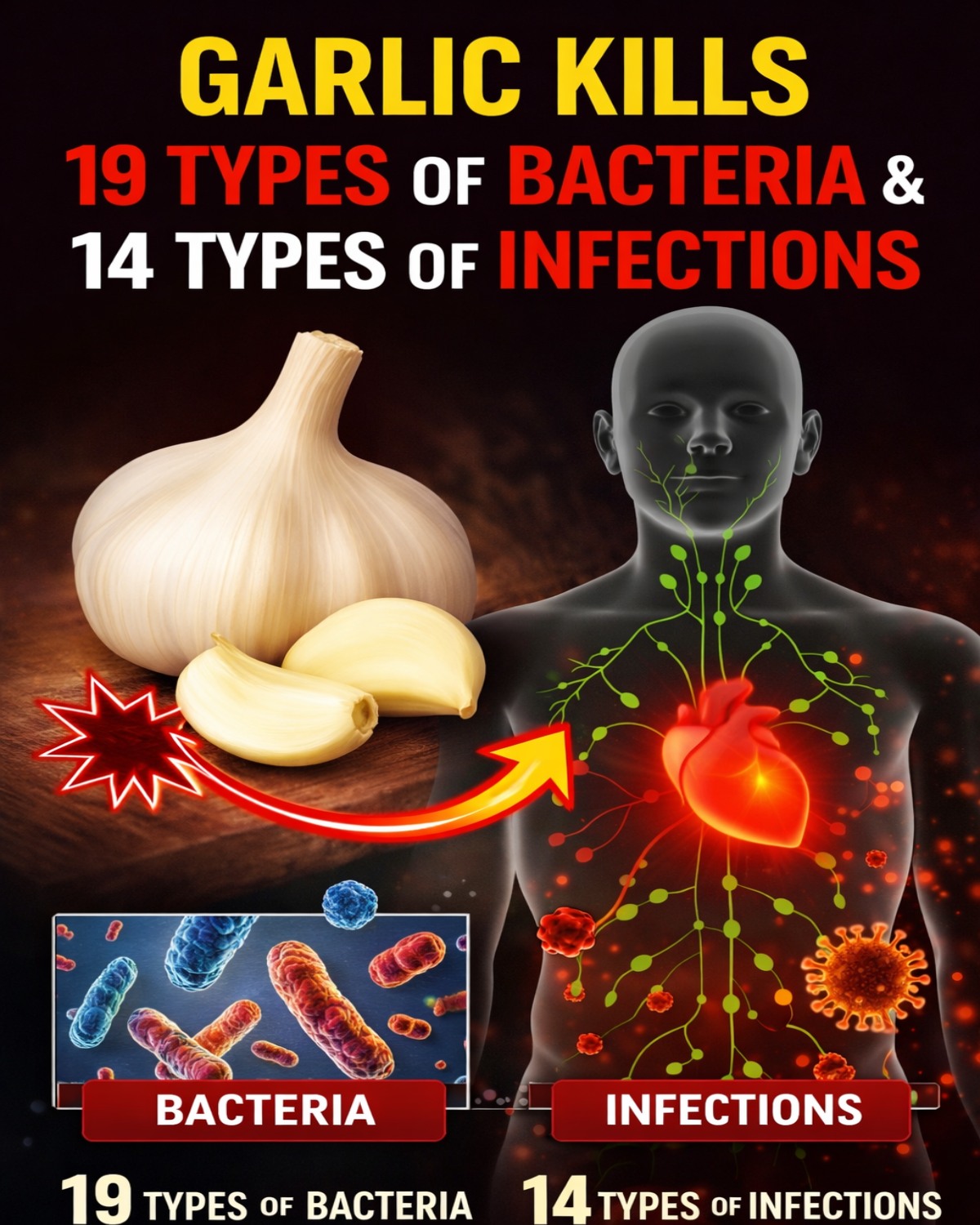
Garlic, scientifically known as Allium sativum, has been revered for centuries not just as a culinary delight but also as a powerful medicinal herb. From ancient civilizations like the Egyptians and Greeks to modern scientific studies, garlic has been celebrated for its remarkable health benefits. One of its most impressive claims is its ability to combat bacteria and infections—some studies suggest it can target up to 14 types of bacteria and 13 different infections. But what makes garlic such a potent natural antibiotic? Let’s explore the science behind this tiny yet mighty bulb.
The Science Behind Garlic’s Power
The magic of garlic lies in its sulfur-containing compounds, most notably allicin. Allicin is formed when garlic is chopped, crushed, or chewed, activating an enzymatic reaction. This compound is not just responsible for garlic’s pungent aroma; it is also the main agent behind its antimicrobial effects.
Allicin works by disrupting the cellular functions of bacteria. It interferes with their ability to produce essential enzymes, damages their cell walls, and ultimately inhibits their growth. What’s remarkable is that garlic doesn’t just target one or two strains—it has a broad-spectrum effect against a variety of harmful bacteria and pathogens.
14 Types of Bacteria Garlic Can Combat
Scientific research has shown that garlic has antibacterial activity against a wide range of bacteria. Some of the most significant include:
-
Escherichia coli (E. coli) – Often linked to food poisoning and urinary tract infections.
-
Staphylococcus aureus – Known for causing skin infections, pneumonia, and sepsis.
-
Salmonella – Responsible for foodborne illnesses and typhoid fever.
-
Listeria monocytogenes – Can cause severe infections in pregnant women and immunocompromised individuals.
-
Helicobacter pylori – Associated with stomach ulcers and chronic gastritis.
-
Pseudomonas aeruginosa – A dangerous pathogen for hospital-acquired infections.
-
Bacillus cereus – Causes food poisoning and gastrointestinal issues.
-
Klebsiella pneumoniae – Responsible for pneumonia and urinary tract infections.
-
Shigella – Causes dysentery and severe gastrointestinal issues.
-
Vibrio cholerae – The bacterium behind cholera outbreaks.
-
Clostridium perfringens – Leads to food poisoning and tissue infections.
-
Streptococcus mutans – Contributes to tooth decay and oral infections.
-
Enterococcus faecalis – Can cause infections in the urinary tract, bloodstream, and wounds.
-
Mycobacterium tuberculosis – The pathogen that causes tuberculosis, although garlic may only support treatment rather than replace medication.
This broad range makes garlic an impressive natural alternative for preventing and managing bacterial infections.
13 Infections Garlic Can Help Fight
Beyond targeting bacteria, garlic is also effective against several infections:
-
Common cold – Garlic’s antiviral properties may reduce the severity and duration.
-
Influenza – Acts as an immune booster and may prevent viral replication.
-
Ear infections – Topical garlic oil can help reduce bacterial growth in the ear canal.
-
Fungal infections – Effective against candida and athlete’s foot.
-
Urinary tract infections (UTIs) – Helps eliminate bacteria causing UTIs.
-
Gastrointestinal infections – Reduces pathogens causing diarrhea and food poisoning.
-
Respiratory infections – Including bronchitis and sinusitis.
-
Skin infections – Such as boils, acne, and minor wounds.
-
Yeast infections – Garlic can help restore microbial balance.
-
Ear, nose, and throat infections – Antimicrobial effect soothes infection and inflammation.
-
Parasitic infections – Helps combat intestinal parasites and worms.
-
Heart-related infections – Supports the body in reducing bacterial impact on cardiovascular tissues.
-
Tuberculosis adjunct therapy – Supports the immune system alongside conventional treatment.
These effects are why garlic has been called “nature’s antibiotic.” While it’s not a replacement for professional medical care, incorporating garlic into your diet can significantly strengthen your immune system.
How to Use Garlic Effectively
To maximize garlic’s antibacterial and antiviral properties, proper usage is important:
-
Raw consumption: Crushing or chopping garlic and letting it sit for 10 minutes before consumption boosts allicin formation.
-
Garlic water or tea: Steeping crushed garlic in warm water can aid digestion and immunity.
-
Topical applications: Garlic oil or paste can be applied to minor skin infections or fungal issues, but always patch test to avoid irritation.
-
Supplements: Garlic capsules and powders are available, though raw garlic is generally more potent.
Safety Considerations
While garlic is generally safe, excessive intake can cause digestive discomfort, heartburn, or garlic breath. People on blood-thinning medication or with allergies should consult a doctor before consuming high doses.
Conclusion
Garlic is more than just a flavorful addition to your meals—it’s a natural powerhouse with remarkable antibacterial and infection-fighting properties. With its ability to combat 14 types of bacteria and support the body against 13 different infections, garlic proves that sometimes nature provides the best medicine. Integrating garlic into your diet, whether raw, cooked, or in supplement form, can boost immunity, protect against illness, and enhance overall well-being.
In a world where antibiotic resistance is a growing concern, garlic offers a natural, safe, and effective way to support health—truly earning its title as a medicinal marvel.