 Skip to content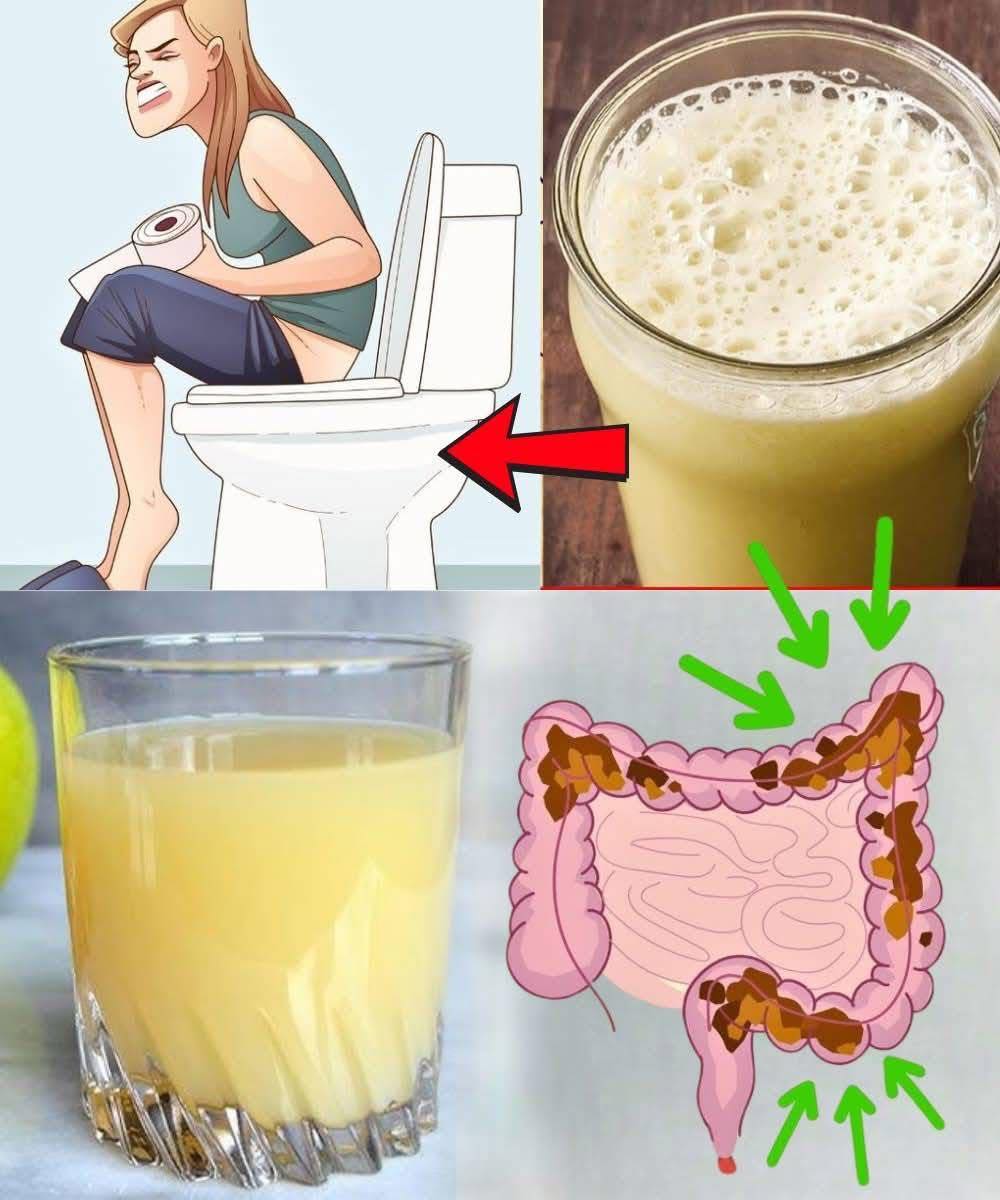
Promises to “cleanse 15 kilos of waste from your colon overnight” are everywhere online—but they are not grounded in medical reality. While the idea is tempting, especially if you feel bloated or uncomfortable, it’s important to understand how the colon truly works, why such claims are misleading, and what safe, evidence-based steps can actually improve digestive health.
The Myth of “15 Kilos of Waste”
The human colon does not store 15 kilos (33 pounds) of waste. In healthy adults, the amount of stool present at any given time is usually a few hundred grams to, at most, a couple of kilograms—and even that fluctuates based on diet and hydration. Claims of massive “toxic buildup” are a marketing tactic used to sell laxatives, teas, powders, or enemas.
Your digestive system is self-cleaning. The liver detoxifies the blood, the kidneys filter waste, and the intestines move digested material forward through natural muscular contractions called peristalsis. There is no hidden reservoir of old waste clinging to the colon walls for years.
Why Overnight “Colon Cleanses” Can Be Dangerous
Products or methods promising dramatic overnight results often rely on strong laxatives, stimulant herbs, or enemas. These can cause:
-
Severe dehydration
-
Electrolyte imbalances (dangerous for the heart)
-
Dependence on laxatives
-
Cramping, diarrhea, and intestinal irritation
-
Worsening constipation over time
Frequent or aggressive colon cleansing can actually weaken the colon’s natural function, making it harder to have normal bowel movements without assistance.
What That “Light” Feeling Really Is
When people report feeling lighter after a cleanse, it’s usually due to:
-
Loss of water, not fat or “toxins”
-
Temporary emptying of bowel contents
-
Reduced bloating from cutting processed foods
This is not detoxification—and any weight change is short-lived.
What Actually Helps Clean and Support Your Colon (Safely)
While you cannot—and should not—purge massive amounts of waste overnight, you can support healthy bowel movements and reduce bloating naturally.
1. Hydration Before Bed
Drinking enough water throughout the day softens stool and supports regular elimination. A warm glass of water in the evening can gently stimulate digestion—without shocking your system.
2. Fiber: The Colon’s Natural Cleaner
Fiber is the real hero of colon health. It adds bulk to stool and feeds beneficial gut bacteria.
Best fiber sources:
-
Oats and whole grains
-
Chia seeds and flaxseeds
-
Apples, pears, and berries
-
Lentils and beans
-
Leafy greens
Increase fiber gradually to avoid gas and cramps.
3. Magnesium (With Caution)
Magnesium-rich foods (like almonds, spinach, and bananas) help relax intestinal muscles and promote regularity. Some people use magnesium supplements at night, but excessive doses can cause diarrhea—so moderation is key.
4. Probiotics for Gut Balance
Fermented foods such as yogurt, kefir, sauerkraut, and kimchi support healthy gut bacteria, which play a major role in digestion and stool consistency.
5. Evening Movement
A short walk after dinner stimulates peristalsis and reduces bloating. Even gentle stretching before bed can support overnight digestive movement.
6. Consistent Bathroom Routine
Training your body to respond to natural urges—especially in the morning—supports colon health far better than forcing bowel movements at night.
Signs You Don’t Need a “Cleanse”
You likely don’t need any detox if:
-
You have regular bowel movements
-
You don’t experience chronic constipation
-
You feel relief after dietary adjustments
-
You don’t rely on laxatives
Your colon is doing its job.
When to See a Doctor
If you experience:
-
Persistent constipation
-
Severe bloating or abdominal pain
-
Blood in stool
-
Unexplained weight loss
These are medical issues, not detox problems, and should be evaluated by a healthcare professional.
The Bottom Line
There is no safe or real way to cleanse 15 kilos of waste from your colon overnight—because that waste doesn’t exist. The colon does not need flushing, purging, or harsh interventions. What it needs is fiber, hydration, balanced nutrition, and regular movement.