 Skip to content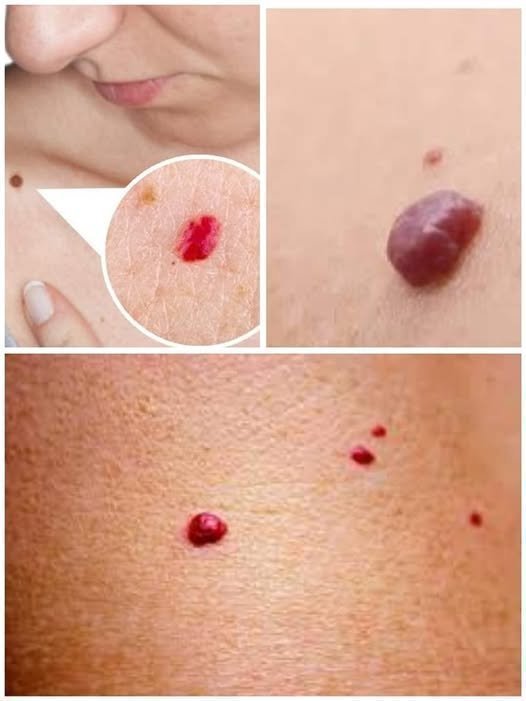
Noticing small red dots on your skin can be surprising—and sometimes worrying. While many people immediately fear the worst, the truth is that red spots on the skin can appear for a wide range of reasons, most of which are harmless. However, some red dots can signal underlying health issues that deserve attention. Understanding what these marks might mean can help you decide when to relax and when to seek medical advice.
Below is a clear, balanced guide to the most common causes of red dots on the skin and what they may be telling you.
1. Cherry Angiomas: The Most Common Cause
One of the most frequent explanations for tiny red dots is cherry angiomas. These are small, bright red or purple bumps caused by clusters of dilated blood vessels near the skin’s surface.
What you should know:
-
They are very common, especially after age 30
-
They are completely benign
-
They can appear anywhere on the body
-
They do not require treatment unless they bleed or cause cosmetic concern
Cherry angiomas are not cancerous and are not linked to serious disease. Many people develop more of them as they age.
2. Petechiae: Tiny Red Warning Signs
Petechiae are very small, flat red or purple dots that do not turn white when pressed. Unlike cherry angiomas, they often appear suddenly and in clusters.
Possible causes include:
-
Minor trauma or excessive pressure (such as heavy coughing or vomiting)
-
Certain medications (especially blood thinners)
-
Viral or bacterial infections
-
Blood clotting disorders
If petechiae appear without an obvious reason or are accompanied by fever, fatigue, or bruising, medical attention is important. In rare cases, they can indicate serious conditions affecting the blood or immune system.
3. Heat Rash: Blocked Sweat Glands
In hot or humid conditions, red dots may be a sign of heat rash (also called miliaria). This happens when sweat becomes trapped under the skin.
Common features:
-
Small red or pink bumps
-
Itching or prickling sensation
-
Often appears on the neck, chest, back, or skin folds
Heat rash is harmless and usually clears once the skin cools down and stays dry.
4. Allergic Reactions and Skin Sensitivities
Red dots may appear as part of an allergic reaction to food, medication, cosmetics, detergents, or environmental triggers.
Signs include:
-
Itchy red bumps or patches
-
Sudden onset after exposure to a new product or food
-
Sometimes accompanied by swelling
Mild allergic reactions often resolve on their own, but severe reactions—especially those involving breathing difficulty—require immediate medical care.
5. Folliculitis: Inflamed Hair Follicles
Folliculitis occurs when hair follicles become inflamed, usually due to bacteria, fungi, or irritation from shaving.
Typical symptoms:
-
Small red dots with a white center
-
Tender or itchy bumps
-
Often found on legs, arms, scalp, or beard area
Most cases are mild, but persistent or painful folliculitis may need treatment.
6. Insect Bites: Small but Noticeable
Mosquitoes, fleas, bedbugs, and mites can leave behind clusters of red dots.
Clues it may be a bite:
-
Itching is common
-
Dots appear in groups or lines
-
Often noticed after sleeping or outdoor exposure
While usually harmless, infected bites or severe allergic responses should be evaluated by a healthcare professional.
7. Skin Conditions Like Eczema or Psoriasis
Chronic skin conditions can also present as red spots or patches.
-
Eczema often causes itchy, inflamed red areas
-
Psoriasis may produce red patches with silvery scales
These conditions are not contagious but may require long-term management.
8. When Red Dots Could Signal a Bigger Problem
In rare cases, red dots can be associated with more serious medical conditions, such as:
-
Vasculitis (inflammation of blood vessels)
-
Autoimmune disorders
-
Certain infections
-
Blood-related illnesses
Seek medical advice if red dots:
-
Appear suddenly and spread rapidly
-
Do not fade over time
-
Are accompanied by fever, weakness, or unexplained bruising
-
Bleed easily or become painful
Final Thoughts
Red dots on the skin are common and usually harmless, but they should never be ignored without thought. Your body often uses the skin to signal internal changes, stress, or reactions to your environment. Paying attention to size, color, texture, and accompanying symptoms can help you understand what’s normal—and what isn’t.
If you’re ever unsure, especially if the spots change or are linked to other symptoms, consulting a healthcare professional is always the safest choice. Awareness, not fear, is the key to protecting your health.