 Skip to content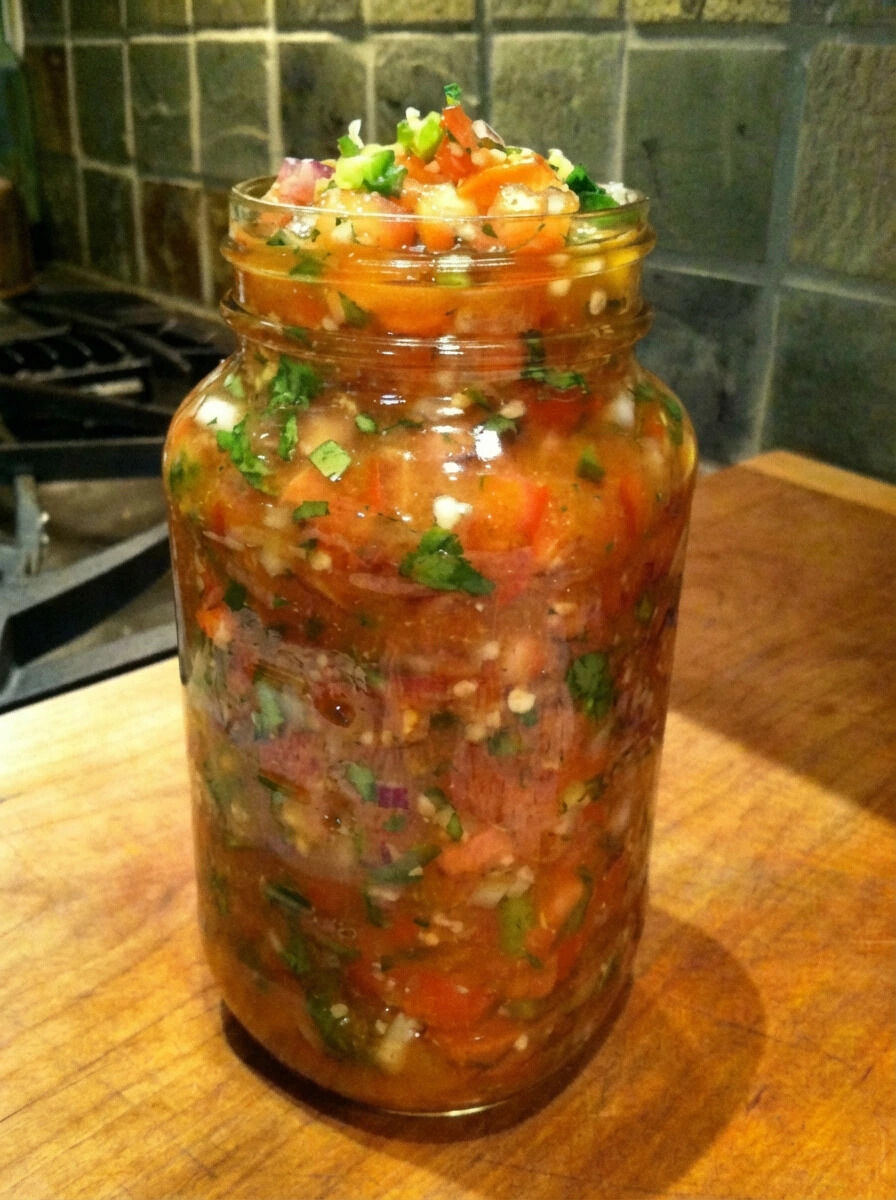
Pico de gallo is one of those simple dishes that proves how powerful fresh ingredients can be. Bright, colorful, and bursting with flavor, this classic Mexican salsa has earned a permanent place on tables around the world. Unlike blended salsas, pico de gallo is chopped, chunky, and fresh, allowing every ingredient to shine on its own. Whether spooned over tacos, served with tortilla chips, or used as a topping for grilled meats, pico de gallo adds an instant burst of freshness to any meal.
What Is Pico de Gallo?
Pico de gallo, also known as salsa fresca or salsa cruda, literally means “rooster’s beak” in Spanish. There are several theories about the name, but one popular explanation is that it refers to the pointed shape of the chopped ingredients or the way people once ate it—pinching it between fingers like a beak. Regardless of the origin, pico de gallo is defined by its simplicity: fresh tomatoes, onions, cilantro, chili peppers, lime juice, and salt.
Unlike restaurant-style smooth salsa, pico de gallo is never blended. The ingredients are diced by hand, creating a crisp texture and a clean, refreshing taste. It is meant to be eaten fresh, often made just before serving to preserve its vibrant flavor and crunch.
The Core Ingredients
The beauty of pico de gallo lies in its short ingredient list. Each component plays an important role, so quality matters.
Tomatoes:
Ripe, firm tomatoes are essential. Roma tomatoes are a popular choice because they are less watery and have a dense flesh, but vine-ripened or cherry tomatoes also work well. Removing some of the seeds helps prevent the salsa from becoming watery.
Onion:
White onion is traditional, offering a sharp, clean bite that balances the sweetness of the tomatoes. Red onion can be used for a slightly milder flavor and added color.
Chili Peppers:
Fresh jalapeños are the most common choice, providing a gentle heat. For more spice, serrano peppers can be used. Removing the seeds and membranes reduces the heat, while leaving them in makes the pico de gallo spicier.
Cilantro:
Fresh cilantro adds a bright, herbal note that defines pico de gallo. If you enjoy its flavor, don’t be shy—but it should complement, not overpower, the other ingredients.
Lime Juice:
Freshly squeezed lime juice adds acidity, enhancing all the flavors and tying the ingredients together.
Salt:
A simple seasoning that brings everything to life. Start with a small amount and adjust to taste.
How to Make Pico de Gallo
Making pico de gallo is straightforward, but technique matters.
-
Chop Carefully: Dice the tomatoes, onions, and peppers into small, even pieces. Uniform chopping ensures that every bite has a balanced mix of flavors.
-
Drain Excess Liquid: If your tomatoes are very juicy, gently drain off excess liquid after chopping. This keeps the salsa fresh and chunky.
-
Mix Gently: Combine all ingredients in a bowl and toss gently. Overmixing can break down the tomatoes.
-
Taste and Adjust: Add salt and lime juice gradually, tasting as you go. The goal is a bright, balanced flavor.
-
Rest Briefly: Letting the pico de gallo rest for 10–15 minutes allows the flavors to meld, but it’s best enjoyed the same day.
Variations to Try
While the classic recipe is beloved, pico de gallo is incredibly adaptable.
-
Fruit Pico de Gallo: Add diced mango, pineapple, or peach for a sweet and spicy twist.
-
Avocado Pico: Gently fold in diced avocado for a creamy variation, similar to a chunky guacamole.
-
Garlic-Lime Pico: Add a small amount of finely minced garlic for extra depth.
-
Cucumber Pico: Replace part of the tomato with cucumber for an ultra-refreshing version.
Each variation keeps the spirit of pico de gallo while offering a new flavor profile.
How to Serve Pico de Gallo
Pico de gallo is one of the most versatile condiments you can make. Serve it with tortilla chips as a light appetizer, spoon it over tacos, burritos, or quesadillas, or use it as a topping for grilled chicken, fish, or steak. It’s also delicious on scrambled eggs, omelets, or even mixed into rice for a fresh side dish.
Because it’s fresh and uncooked, pico de gallo adds contrast to rich or spicy foods, cutting through heaviness with its crisp texture and tangy flavor.
Storage Tips
Pico de gallo is best eaten fresh, ideally within a few hours of making it. If you need to store it, keep it in an airtight container in the refrigerator for up to 24 hours. Over time, the tomatoes release more liquid, and the texture softens, but the flavor remains enjoyable.
Why Pico de Gallo Never Goes Out of Style
Pico de gallo has endured for generations because it celebrates simplicity. With just a handful of fresh ingredients and a few minutes of preparation, it delivers bold flavor, vibrant color, and endless versatility. Whether you’re cooking a full Mexican feast or just looking for a fresh topping to brighten your meal, pico de gallo is a timeless classic that never disappoints.