 Skip to content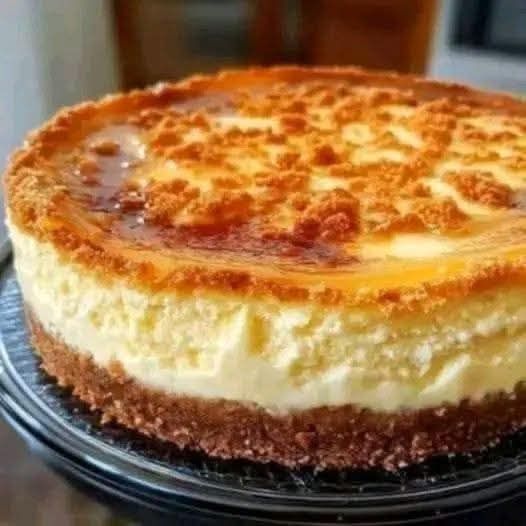
Cheesecake is one of the world’s most beloved desserts—rich, creamy, and indulgent, yet surprisingly versatile. From classic baked versions to light no-bake varieties, cheesecake has earned a permanent place on dessert menus and family tables across cultures. Its smooth texture and balanced sweetness make it a favorite for celebrations, holidays, and everyday treats alike.
A Brief History of Cheesecake
Cheesecake is far older than many people realize. Its origins can be traced back to ancient Greece, where a simple mixture of cheese, honey, and wheat was served to athletes during the first Olympic Games. When the Romans conquered Greece, they adapted the recipe and spread it throughout Europe. Over centuries, cheesecake evolved as ingredients and techniques changed. By the time European settlers arrived in America, cream cheese became the defining ingredient, giving rise to the dense, velvety style now known as New York–style cheesecake.
What Makes Cheesecake So Special
At its core, cheesecake is all about contrast. The creamy filling pairs beautifully with a firm crust, usually made from crushed biscuits or graham crackers mixed with butter. The filling itself typically combines cream cheese, sugar, eggs, and vanilla, creating a smooth and rich texture. What sets cheesecake apart from other cakes is that it contains little to no flour, relying instead on eggs for structure. This gives it a custard-like consistency that melts in the mouth.
Another reason cheesecake is so loved is its adaptability. It can be flavored with chocolate, citrus, coffee, or spices, and topped with fruits, caramel, nuts, or sauces. Whether served plain or dressed up, cheesecake always feels luxurious.
Classic Cheesecake Ingredients
A traditional baked cheesecake usually includes:
-
Cream cheese: The star ingredient, providing richness and smoothness.
-
Sugar: Adds sweetness and balances the tang of the cheese.
-
Eggs: Help bind the mixture and create a creamy yet firm texture.
-
Vanilla extract: Enhances flavor without overpowering it.
-
Crust: Made from crushed biscuits or cookies, butter, and sometimes a little sugar.
Each ingredient plays a key role, and small changes can significantly affect the final result. Full-fat cream cheese yields the best texture, while room-temperature ingredients ensure a smooth, lump-free batter.
Baking the Perfect Cheesecake
Baking cheesecake requires patience and care. One of the most common mistakes is overbaking, which can cause cracks and a dry texture. Cheesecakes are usually baked at a low temperature to prevent curdling and uneven cooking. Many bakers use a water bath—placing the cheesecake pan in a larger pan filled with hot water—to provide gentle, even heat and reduce cracking.
After baking, cheesecake should cool gradually. Sudden temperature changes can cause the surface to crack. Letting it cool in the oven with the door slightly open, then chilling it in the refrigerator for several hours or overnight, results in the best flavor and texture.
No-Bake Cheesecake: A Simple Alternative
No-bake cheesecake is a popular option for those who want the creamy taste without turning on the oven. Instead of eggs, it relies on whipped cream or gelatin to set the filling. The texture is lighter and mousse-like, making it perfect for warm weather. No-bake versions are quicker to prepare and ideal for beginners, while still delivering that unmistakable cheesecake flavor.
Popular Cheesecake Variations
Cheesecake comes in countless styles around the world. New York–style cheesecake is dense and rich, often served plain or with a simple fruit topping. Italian cheesecake uses ricotta cheese, resulting in a lighter, slightly grainy texture. Japanese cheesecake is airy and sponge-like, almost soufflé-like in consistency. There are also vegan cheesecakes made with cashews or coconut cream, catering to modern dietary preferences.
Flavors are endless: strawberry, blueberry, lemon, chocolate, salted caramel, pumpkin, and even matcha. Each variation offers a unique twist while preserving the essence of cheesecake.
Serving and Storing Cheesecake
Cheesecake is best served chilled, allowing the flavors to fully develop. A clean, sharp knife dipped in warm water helps achieve neat slices. It pairs beautifully with fresh fruit, a drizzle of sauce, or even a simple dusting of powdered sugar.
When it comes to storage, cheesecake should be kept refrigerated and covered to prevent it from absorbing other odors. It typically stays fresh for up to five days. Cheesecake also freezes well; tightly wrapped slices can be frozen for several weeks and thawed in the refrigerator when needed.
Why Cheesecake Never Goes Out of Style
Cheesecake’s enduring popularity lies in its perfect balance of richness, sweetness, and versatility. It can be elegant or comforting, simple or extravagant. Whether enjoyed at a bakery, a restaurant, or homemade in your own kitchen, cheesecake offers a timeless pleasure that few desserts can match.
In every bite, cheesecake delivers a sense of indulgence and satisfaction, making it more than just a dessert—it’s an experience.