 Skip to content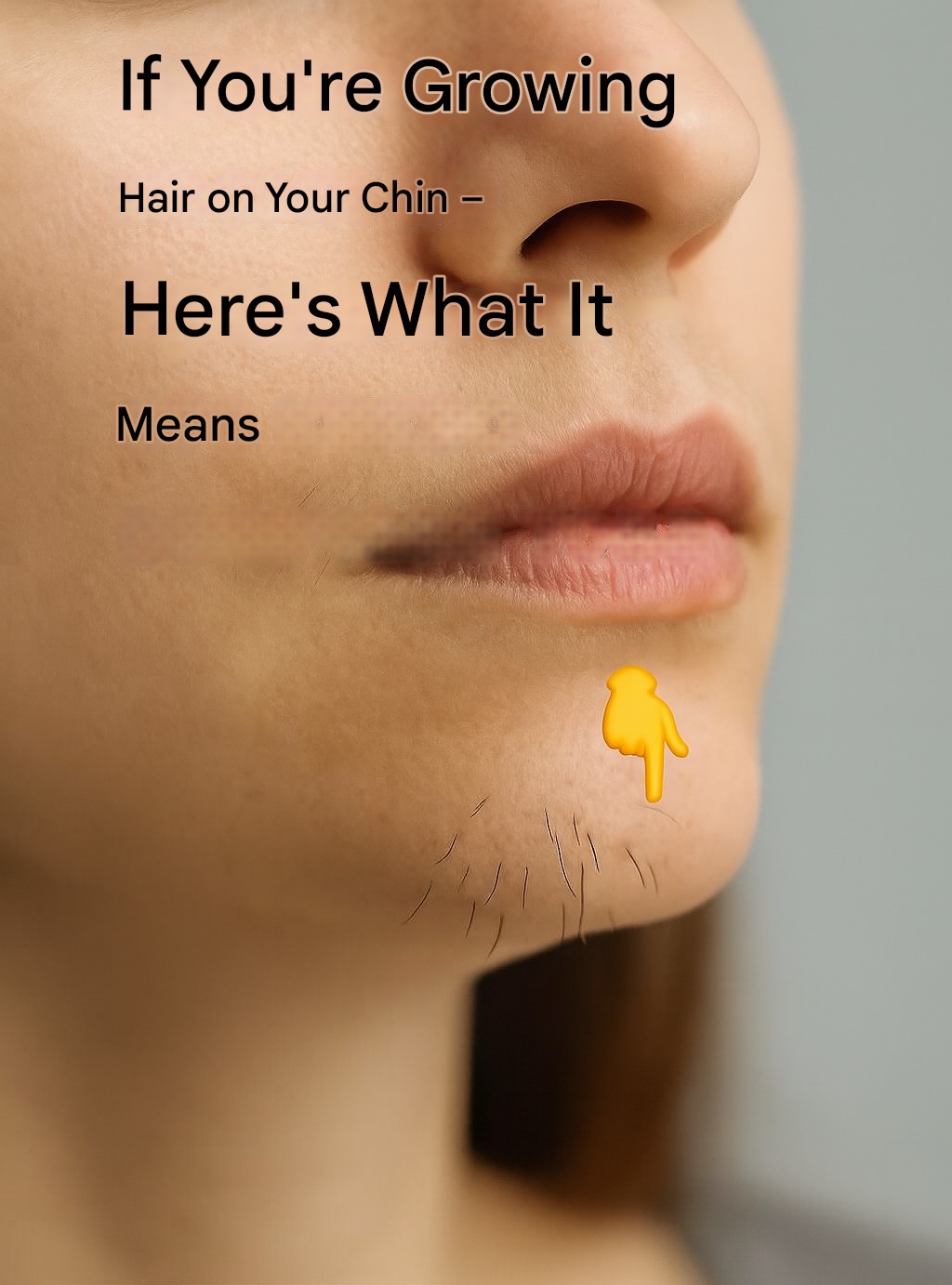
Noticing a few dark, coarse hairs appearing on your chin can be surprising—and sometimes worrying. While occasional facial hair is common and often harmless, persistent or increasing chin hair in women can sometimes signal underlying changes in the body. In many cases, it points to hormonal imbalance, especially involving androgens (male-type hormones such as testosterone). Understanding what your body may be trying to tell you can help you decide whether simple lifestyle changes are enough—or if it’s time to seek medical advice.
Why Chin Hair Happens
Everyone has facial hair, but most of it is fine and light (called vellus hair). When hormones shift, some of this hair can become thicker, darker, and more noticeable (terminal hair). The chin and jawline are particularly sensitive to androgen levels, which is why changes often show up there first.
A few stray hairs from time to time are usually normal. However, sudden growth, rapid increase, or hair that becomes very coarse deserves closer attention.
1. Hormonal Imbalance (Most Common Cause)
The most frequent reason for dark chin hair in women is an imbalance between estrogen and androgens.
When androgen levels rise—or estrogen levels fall—hair follicles on the face may respond by producing thicker hair. This can happen even if blood tests show “normal” hormone levels, because sensitivity at the follicle level also matters.
Possible signs that accompany hormonal imbalance include:
-
Irregular or missed periods
-
Acne, especially along the jawline
-
Oily skin
-
Thinning hair on the scalp
-
Mood swings or fatigue
2. Polycystic Ovary Syndrome (PCOS)
One of the most well-known conditions linked to chin hair is PCOS, a hormonal disorder affecting millions of women worldwide.
PCOS often leads to elevated androgen levels, which can cause:
-
Chin, upper lip, or chest hair
-
Irregular menstrual cycles
-
Weight gain or difficulty losing weight
-
Acne
-
Fertility challenges
Not every woman with chin hair has PCOS, but if facial hair appears alongside irregular periods or persistent acne, it’s worth discussing screening with a healthcare professional.
3. Insulin Resistance and Blood Sugar Issues
Insulin resistance—when the body doesn’t respond properly to insulin—can indirectly increase androgen production. This is why chin hair growth is sometimes seen in women with:
-
Prediabetes
-
Type 2 diabetes
-
Metabolic syndrome
High insulin levels stimulate the ovaries to produce more androgens, which can trigger facial hair growth. Managing blood sugar through diet, movement, and medical care often improves symptoms over time.
4. Perimenopause and Menopause
As women approach their 40s and 50s, estrogen levels naturally decline. Even if androgen levels stay the same, the balance shifts, allowing male-type hormones to become more noticeable.
This is why many women first notice chin hairs during perimenopause or after menopause. It’s very common—and usually not dangerous—but it can still feel distressing.
5. Genetics and Ethnicity
Sometimes, chin hair is simply genetic. If women in your family have similar hair growth patterns, you may be predisposed to it. Certain ethnic backgrounds are also more likely to experience darker or coarser facial hair due to natural hair characteristics rather than illness.
In these cases, chin hair does not necessarily signal a health problem.
When Chin Hair Could Be a Red Flag
While rare, sudden or extreme hair growth accompanied by other symptoms may require urgent medical evaluation.
Watch for:
-
Rapid onset of facial and body hair
-
Deepening of the voice
-
Increased muscle mass
-
Severe acne
-
Changes in libido
These signs could point to adrenal or ovarian disorders that need prompt attention.
What You Can Do About It
1. Don’t panic
A few chin hairs are common and often manageable.
2. Track other symptoms
Note changes in your cycle, skin, weight, or energy levels.
3. Support hormonal health naturally
-
Eat balanced meals with protein, fiber, and healthy fats
-
Limit refined sugars and ultra-processed foods
-
Manage stress (high cortisol worsens hormone imbalance)
-
Prioritize sleep
4. Hair removal options
-
Tweezing or threading for occasional hairs
-
Waxing or depilatory creams (test skin first)
-
Laser or electrolysis for long-term solutions
5. Seek medical advice if needed
A doctor can run hormone tests, assess insulin levels, and guide treatment if an underlying condition is found.
The Bottom Line
If dark hairs appear on your chin, it may be a sign that your hormones are shifting, not that something is “wrong” with you. In many cases, it’s a normal response to aging, genetics, or mild hormonal changes. However, when chin hair is persistent, worsening, or accompanied by other symptoms, it can be an important clue worth listening to.