 Skip to content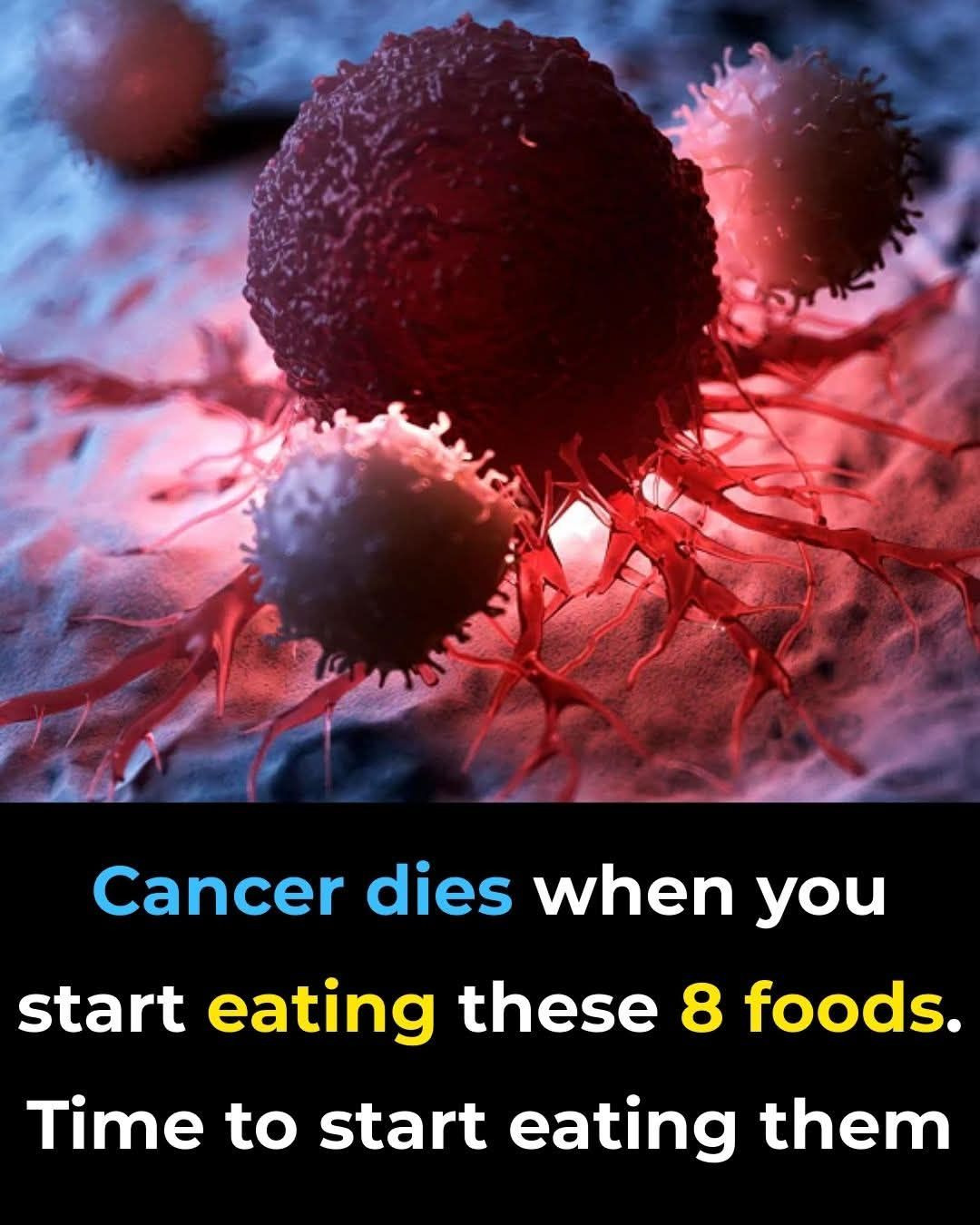
Headlines claiming that “cancer dies when you eat certain foods” are everywhere—and while they sound hopeful, the truth is more nuanced. No single food can cure cancer. However, science clearly shows that some foods can slow cancer growth, reduce inflammation, strengthen the immune system, and lower overall cancer risk when eaten regularly as part of a healthy lifestyle.
These seven foods stand out for their powerful compounds that help the body defend itself against cancer at the cellular level. Adding them to your diet won’t replace medical treatment—but they can become part of a strong prevention and wellness strategy.
1. Cruciferous Vegetables (Broccoli, Cauliflower, Cabbage)
Cruciferous vegetables are among the most researched cancer-fighting foods in the world.
They contain sulforaphane, a compound shown to:
-
Help deactivate carcinogens
-
Trigger cancer cell death (apoptosis) in lab studies
-
Support detoxification enzymes in the liver
Broccoli sprouts are especially potent, containing up to 100 times more sulforaphane than mature broccoli.
Best way to eat: Lightly steamed or chopped raw to preserve nutrients.
2. Garlic
Garlic has been used as medicine for thousands of years—and modern science backs it up.
Its active compound, allicin, has been shown to:
-
Inhibit cancer cell growth
-
Reduce inflammation
-
Support immune system activity
Regular garlic consumption has been linked to a lower risk of stomach, colorectal, and prostate cancers.
Tip: Crush garlic and let it sit for 10 minutes before cooking to activate allicin.
3. Turmeric
Turmeric’s bright yellow pigment comes from curcumin, one of the most powerful anti-inflammatory compounds known.
Research suggests curcumin may:
-
Slow tumor growth
-
Prevent cancer cells from spreading
-
Enhance the effectiveness of some cancer treatments
Curcumin also targets chronic inflammation, a major driver of cancer development.
Boost absorption: Combine turmeric with black pepper and a healthy fat like olive oil.
4. Berries (Blueberries, Strawberries, Raspberries)
Berries are rich in anthocyanins, antioxidants that protect cells from DNA damage.
Studies show berries can:
-
Reduce oxidative stress
-
Slow the growth of cancer cells
-
Protect against cancers of the mouth, colon, and breast
They also help regulate blood sugar, which is important since high insulin levels are linked to increased cancer risk.
Best choice: Fresh or frozen berries with no added sugar.
5. Green Tea
Green tea contains EGCG (epigallocatechin gallate), a powerful antioxidant studied for its anti-cancer effects.
EGCG may:
-
Block cancer cell replication
-
Reduce tumor blood supply
-
Protect healthy cells from damage
Populations that regularly drink green tea show lower rates of certain cancers, particularly breast and prostate cancer.
How much: 2–3 cups per day for maximum benefit.
6. Fatty Fish (Salmon, Sardines, Mackerel)
Fatty fish are rich in omega-3 fatty acids, which help reduce chronic inflammation—a known cancer trigger.
Omega-3s may:
-
Slow cancer cell growth
-
Improve immune response
-
Reduce cancer-related inflammation
They are especially beneficial for colon and breast health.
Aim for: Two servings per week of wild-caught fatty fish.
7. Tomatoes
Tomatoes are the best dietary source of lycopene, an antioxidant linked to reduced cancer risk.
Lycopene has been associated with:
-
Lower prostate cancer risk
-
Protection against breast and lung cancers
-
Reduced oxidative cell damage
Interestingly, lycopene becomes more bioavailable when tomatoes are cooked.
Best forms: Tomato sauce, paste, or lightly cooked tomatoes with olive oil.
Why Food Alone Isn’t Enough—but Still Matters
While these foods contain compounds that can damage cancer cells in laboratory studies, they do not replace medical treatment. Cancer is complex, and diet works best as part of a broader prevention strategy that includes:
-
Regular exercise
-
Maintaining a healthy weight
-
Avoiding smoking and excessive alcohol
-
Getting routine screenings
What food can do is create an internal environment where cancer struggles to thrive.
Final Thoughts
Cancer doesn’t “die overnight” because of food—but what you eat every day can influence whether cancer develops, grows, or spreads. These seven foods provide powerful nutrients that support your body’s natural defenses and help protect your cells from damage.