 Skip to content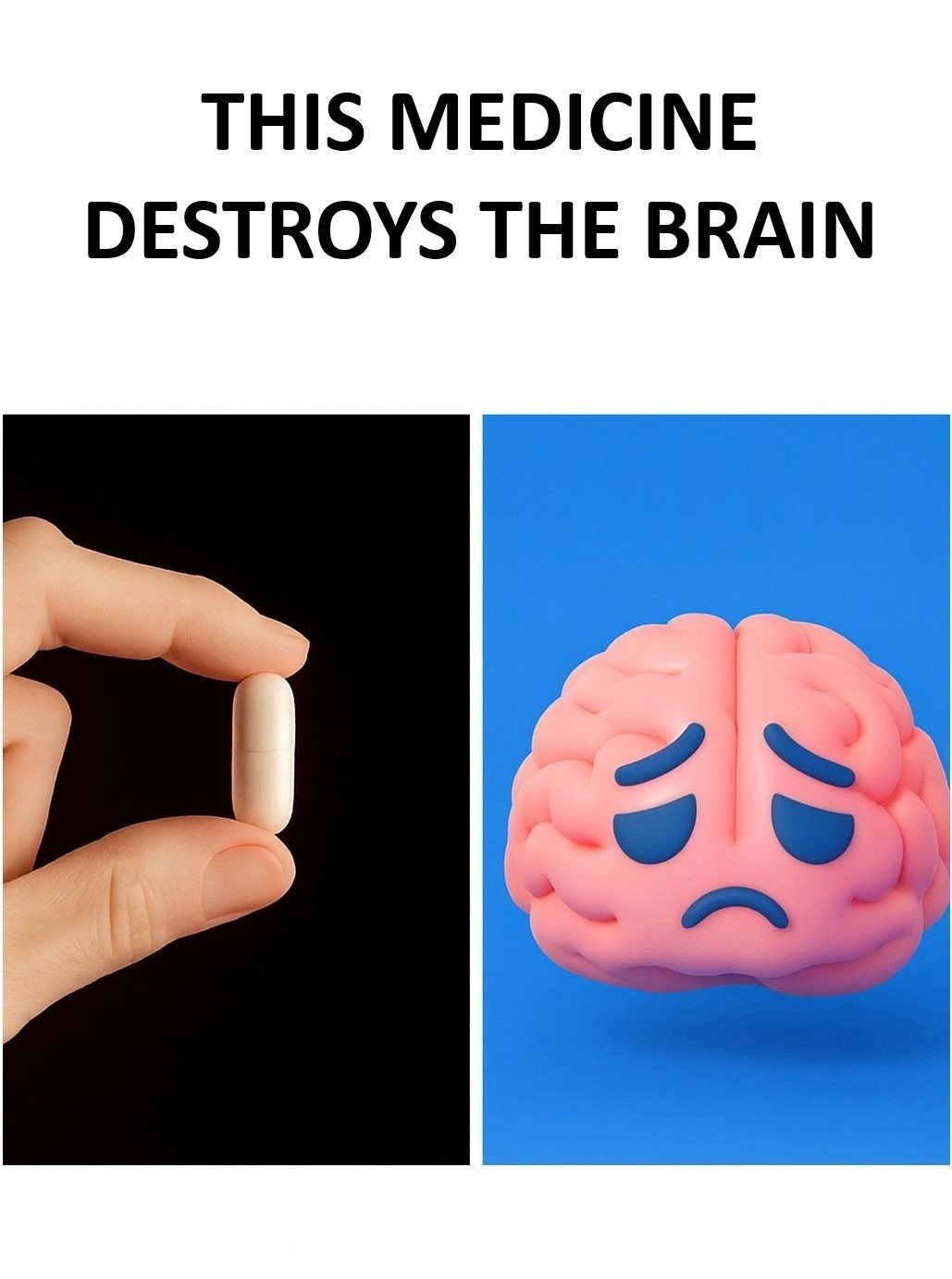
Dementia isn’t a single disease — it’s a broad term for progressive cognitive impairment that affects memory, thinking, behavior, and daily functioning. While age and genetics are well-known risk factors, certain medications have also been linked to cognitive decline and a higher risk of developing dementia. Some drugs don’t cause dementia directly, but long-term use — especially in older adults — can increase the risk or worsen cognitive symptoms
Below we explore eight drugs or drug classes that research and clinical observations associate with dementia risk or serious cognitive impairment. Always talk with your physician before stopping, starting, or changing any medications — especially if you’re concerned about memory or brain health.
Anticholinergics are among the most consistently implicated drugs linked to dementia risk. These medications block acetylcholine, a key neurotransmitter for memory and learning. Long-term use — especially daily for three years or more — has been associated with an increased chance of developing dementia.
Common anticholinergic drugs include:
- Antidepressants like amitriptyline and nortriptyline
- Bladder antimuscarinics such as oxybutynin and tolterodine
- Anti-Parkinson’s medications like benztropine
- Antipsychotics with anticholinergic properties
Studies show that older adults taking these medications regularly had up to a 50% higher risk of developing dementia compared to non-users, even after adjusting for lifestyle and health factors
Mechanism: Suppressing acetylcholine reduces neural signaling involved in attention, memory, and overall cognition, potentially accelerating decline over time.
2. Benzodiazepines (Anti-Anxiety and Sleep Drugs)
Benzodiazepines — such as Valium (diazepam), Xanax (alprazolam), and Ativan (lorazepam) — are widely prescribed for anxiety and insomnia. Several studies link long-term benzodiazepine use to increased dementia risk
Why they’re concerning:
- These drugs depress the central nervous system.
- Long-term use, especially in older adults, can impair memory and processing speed.
- Some research suggests extended benzodiazepine use is associated with higher Alzheimer’s risk.
While short-term use may be medically justified, benzodiazepines are generally recommended only for brief periods due to dependency and cognitive concerns.
- Proton Pump Inhibitors (PPIs)
PPIs — medications that reduce stomach acid — have been linked in some studies to increased dementia risk when used long-term.
UK Reporter
+1
Common PPIs include:
Omeprazole (Prilosec)
Esomeprazole (Nexium)
Lansoprazole (Prevacid)
Researchers speculate long-term PPI use might affect the brain indirectly by interfering with the absorption of nutrients like vitamin B12 — essential for neural health — or by influencing amyloid accumulation.
Wis IT
It’s important to note that the link is associative rather than proven causal, and short-term use for acute gastrointestinal conditions may still be appropriate.
- Opioid Pain Medications
Strong painkillers like morphine, hydrocodone, and oxycodone are effective for severe pain. However, evidence suggests that long-term opioid use may be associated with increased dementia risk, particularly in older patients.
UK Reporter
+1
Key concerns:
Opioids depress central nervous system activity.
Chronic use has been linked to cognitive impairment, slowed thinking, and memory issues.
Some large observational studies have shown opioid users had higher rates of dementia than non-users.
UK Reporter
Importantly, chronic pain itself can also affect cognition, making it difficult to untangle the direct effects of opioids from underlying health conditions.
- Certain Antidepressants
Some antidepressants, especially tricyclic antidepressants (TCAs) like amitriptyline and doxepin, have strong anticholinergic effects — and that’s a major part of why they’re linked to dementia risk.
Medical News Today
+1
Even some selective serotonin reuptake inhibitors (SSRIs) — often considered safer — have been implicated in cognitive impairment when used long-term, although the evidence is mixed.
inkl
Why it matters:
Anticholinergic depression of neural signaling can worsen memory.
Older TCAs are more likely to have these effects than newer antidepressants.
Treating depression is important, but medication choice should consider cognitive side effects — especially in older adults.
- Antipsychotics (Especially in Older Adults)
Antipsychotic drugs are often used to treat severe psychiatric conditions, but they’re also sometimes prescribed off-label for agitation in elderly dementia patients. Unfortunately, these drugs can worsen cognitive decline and are associated with increased risk of death in dementia patients.
Healthline
+1
Examples include:
Risperidone (Risperdal)
Olanzapine (Zyprexa)
Quetiapine (Seroquel)
The FDA warns about increased mortality when antipsychotics are used in elderly people with dementia-related psychosis.
Healthline
Why this matters: These medications can block neurotransmitters crucial for cognition or worsen metabolic health — further impairing brain function.
- Corticosteroids
Steroid medications like prednisone and hydrocortisone are powerful anti-inflammatories, but their use — especially long-term — can affect brain chemistry.
Healthline
Potential cognitive effects:
Mood changes
Memory impairment
“Steroid dementia” (a reversible form of cognitive decline in some cases)
While the dementia-risk evidence here is less robust than for anticholinergics or benzodiazepines, steroids can affect memory and mental processing — particularly with prolonged or high-dose use.
- Certain Sleep Aids and Muscle Relaxants
Sleep medications beyond benzodiazepines — such as Z-drugs (e.g., zolpidem (Ambien) and eszopiclone (Lunesta)) — and some muscle relaxants (like cyclobenzaprine) may cause confusion, dizziness, sedation, and memory problems, particularly in older adults.
Alzheimer’s Care Partner
+1
Why they’re risky:
Many act on the central nervous system.
They increase risk of falls and cognitive impairment.
In older adults, these effects can be more pronounced and persistent.
What’s the Bottom Line?
Association ≠ causation. Most research shows links rather than proof that medications directly cause dementia.
Alzheimer’s Society
Older age matters. The risk and impact of these drugs on cognition tend to be higher in adults over age 65.
Dose and duration matter. Long-term or high-dose use consistently shows stronger links with cognitive decline.
Talk to your doctor. Never stop or change medications without medical guidance — particularly for essential treatments like antidepressants or pain management.
Takeaway
While many medications are safe and effective when used properly, certain drug classes carry a documented risk of serious cognitive impairment — especially with prolonged use or in older adults. From benzodiazepines and anticholinergics to opioids and antipsychotics, understanding these risks is a key part of preserving brain health.
If you or a loved one are on long-term medications and are concerned about memory loss or cognitive changes, the best thing you can do is have an open conversation with a healthcare provider about risks, benefits, and safer alternatives.