 Skip to content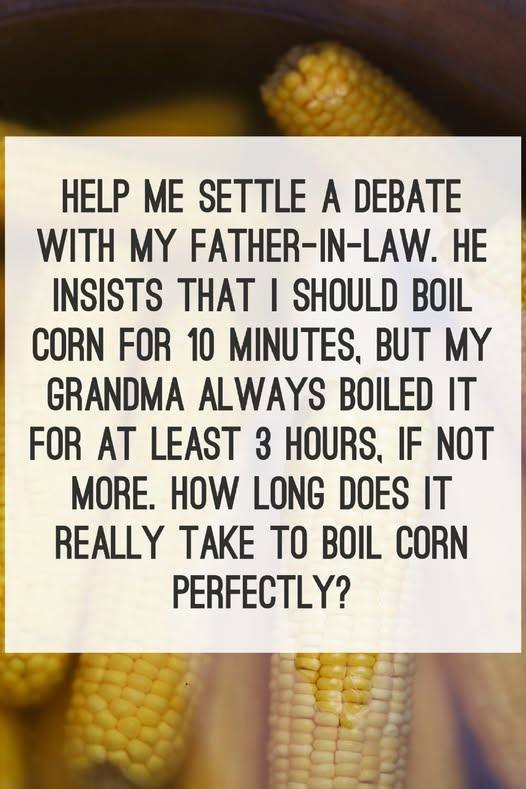
Corn on the cob is one of those timeless foods that evoke summer picnics, backyard barbecues, and the smell of smoky grills. Many of us grew up enjoying it simply boiled and slathered with butter. While boiling is traditional, it’s also the one method that often robs corn of its natural sweetness and crunch. If you’ve been boiling your corn all these years, it’s time to discover a better way—a method that elevates flavor, preserves nutrients, and makes corn taste like it was picked straight from a farmer’s field.
Why Boiling Corn Isn’t Ideal
Boiling corn might seem convenient, but it comes with drawbacks. When you submerge corn in a pot of water and cook it for 5–10 minutes, a lot of the natural sugars dissolve into the water, leaving the kernels less sweet. Overcooking can make the corn mushy and waterlogged, completely masking its natural flavor. Additionally, boiling does little to enhance aroma, texture, or overall eating experience.
For those who want corn that pops with flavor, retains its crunch, and has a caramelized sweetness, boiling simply won’t cut it. The good news is, you can enjoy perfectly cooked corn in ways that are faster, more flavorful, and more versatile.
The Secret: Roasting or Grilling
One of the most effective alternatives to boiling is roasting or grilling corn. Both methods use dry heat, which concentrates the sugars and creates a naturally sweet, slightly smoky flavor. Here’s how you can do it:
1. Oven-Roasted Corn
-
Preheat your oven to 400°F (200°C).
-
Peel back the husks of the corn without removing them entirely and remove the silk.
-
Brush the corn lightly with olive oil or melted butter. You can also sprinkle a pinch of salt, paprika, or garlic powder for extra flavor.
-
Pull the husks back over the corn to create a natural wrapping.
-
Place the corn on a baking sheet and roast for 20–25 minutes. Flip halfway through to ensure even cooking.
-
The result is corn with tender kernels, a subtle roasted flavor, and a touch of caramelization.
2. Grilled Corn
-
Preheat your grill to medium-high heat.
-
Peel back the husks, remove the silk, and brush the kernels with oil or butter.
-
You can either grill the corn in the husks or wrap it in foil for softer kernels. For a smokier flavor, leave the husks on but pull them back for seasoning.
-
Place the corn on the grill and cook for 10–15 minutes, turning occasionally.
-
The grill imparts a lightly charred flavor that’s unbeatable and naturally enhances the sweetness.
Skillet or Pan-Roasted Corn
If you don’t have access to an oven or grill, don’t worry—you can achieve incredible results on the stovetop. A cast-iron skillet works wonders for corn:
-
Heat a skillet over medium-high heat and add a small amount of butter or oil.
-
Husk the corn and remove the silk.
-
Place the corn in the skillet, turning occasionally to brown all sides evenly.
-
For an extra touch, add a drizzle of honey or sprinkle chili powder to the butter before brushing it on the corn.
-
This method gives corn a toasty, nutty flavor with a slightly crispy exterior, making it a fantastic side dish for any meal.
Add Flavor Layers
One of the best parts about avoiding boiling is that it opens up countless flavor possibilities. While butter and salt are classic, you can experiment with seasonings to suit any cuisine:
-
Mexican-Style Corn: Top with mayonnaise, crumbled cotija cheese, chili powder, and a squeeze of lime.
-
Herb-Infused Corn: Mix softened butter with chopped basil, parsley, or thyme and brush over the corn after cooking.
-
Spicy Kick: Sprinkle smoked paprika, cayenne, or chili-lime seasoning for a fiery, flavorful twist.
-
Sweet Twist: Drizzle honey or maple syrup over roasted corn for a dessert-like treat.
Why This Method Is Healthier
Roasting or grilling corn is not just about flavor—it’s better for your health too. Boiling can cause water-soluble vitamins, such as vitamin C and certain B vitamins, to leach into the water. Roasting preserves most of the nutrients while enhancing natural antioxidants. The result is corn that’s not only tastier but also more nutritious.
Quick Tips for Perfect Corn Every Time
-
Choose fresh corn: Look for bright green husks, plump kernels, and moist silk. Fresh corn will be naturally sweeter.
-
Don’t overcook: Overcooking reduces sweetness and makes kernels tough or mushy. Test by piercing a kernel with a fork—it should be tender but firm.
-
Experiment with fat: Butter is classic, but olive oil, ghee, or flavored oils can add new dimensions.
-
Let it rest: After cooking, let the corn rest for a couple of minutes before serving. This allows flavors to meld and prevents steam from softening the kernels.
Conclusion
Boiling corn is a habit that many of us grew up with, but it’s time to leave it behind. Roasting, grilling, or skillet-cooking corn not only enhances flavor but also preserves nutrients, adds texture, and gives you creative freedom with seasonings. Whether you’re preparing a family dinner, hosting a barbecue, or simply craving a snack, these methods transform ordinary corn into a culinary delight.
Next time you crave corn on the cob, skip the boiling water and try one of these methods instead. Your taste buds—and your guests—will thank you. Once you experience sweet, smoky, caramelized corn with a perfect crunch, you’ll never go back to boiling again.