 Skip to content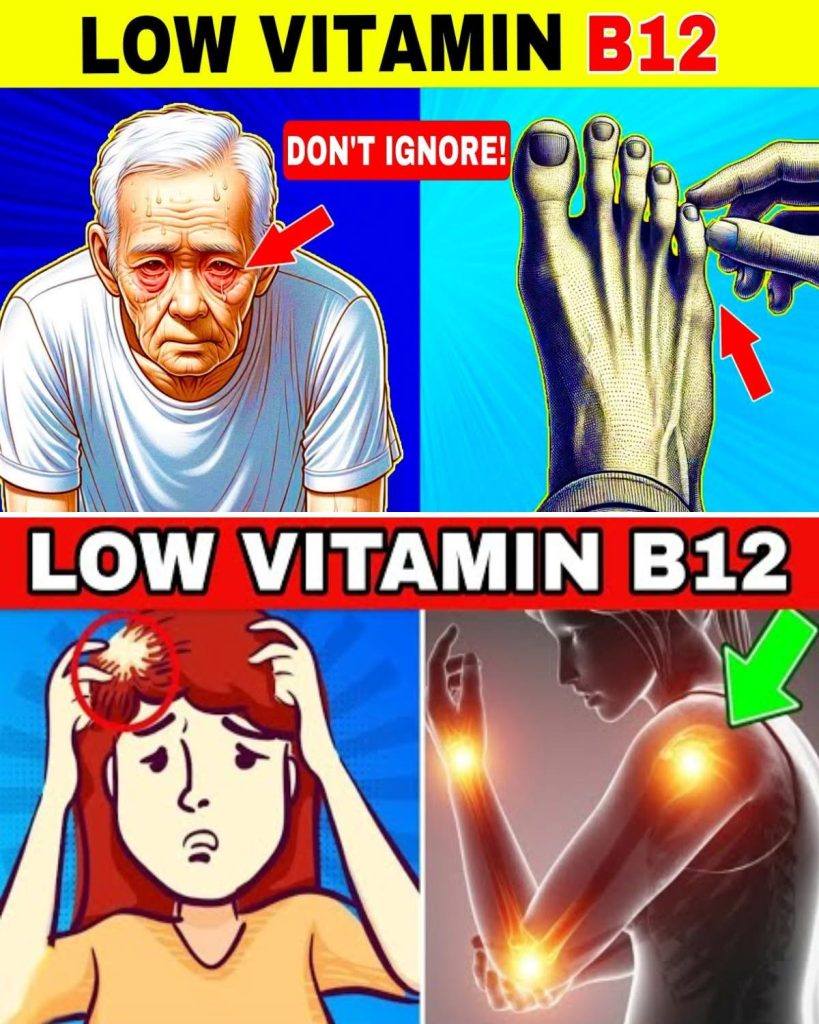
Vitamin B12 is a small nutrient with a massive role in your body. It helps produce red blood cells, supports brain and nerve function, and keeps your energy levels stable. Yet millions of people around the world are deficient—often without realizing it. Because the symptoms can be subtle at first, B12 deficiency is frequently mistaken for stress, aging, or other common conditions. Ignoring these warning signs, however, can lead to serious and sometimes irreversible damage.
Here are 9 urgent signs of vitamin B12 deficiency you should never ignore.
1. Constant Fatigue and Weakness
One of the earliest and most common signs of B12 deficiency is persistent tiredness. Vitamin B12 is essential for making red blood cells, which carry oxygen throughout your body. When B12 levels are low, your body produces fewer healthy red blood cells, leading to reduced oxygen delivery. The result is ongoing fatigue, weakness, and a feeling of being drained—even after a full night’s sleep.
If you feel exhausted doing simple tasks that never used to tire you, low B12 could be a hidden cause.
2. Tingling or Numbness in Hands and Feet
Vitamin B12 plays a key role in maintaining the protective coating (myelin) around nerves. Without enough B12, nerves become damaged, leading to tingling, numbness, or a “pins and needles” sensation, especially in the hands, feet, arms, or legs.
This symptom is often mistaken for poor circulation or diabetes, but untreated B12-related nerve damage can become permanent.
3. Memory Problems and Brain Fog
Struggling to remember names, misplacing items, or feeling mentally “foggy” may not just be normal aging. Vitamin B12 deficiency can impair brain function, affecting memory, concentration, and clarity of thought.
In severe cases, long-term deficiency has been linked to cognitive decline and symptoms that resemble dementia. Early detection is crucial, as neurological effects may worsen if B12 levels remain low.
4. Mood Changes, Depression, or Anxiety
Vitamin B12 helps produce neurotransmitters like serotonin and dopamine, which regulate mood. Low levels can lead to depression, irritability, anxiety, or sudden mood swings.
People with B12 deficiency often report feeling unusually low, unmotivated, or emotionally unstable without an obvious reason. Restoring B12 levels can significantly improve emotional well-being in many cases.
5. Pale or Yellowish Skin
A noticeable change in skin tone can be a red flag. B12 deficiency may cause pale, dull, or slightly yellowish skin, due to improper red blood cell production. When red blood cells break down abnormally, bilirubin levels rise, giving the skin a yellow tint.
This symptom is sometimes confused with liver problems, but low B12 should also be considered.
6. Shortness of Breath and Dizziness
If climbing stairs leaves you breathless or you feel dizzy when standing up, your body may not be getting enough oxygen. B12 deficiency–related anemia reduces oxygen delivery, leading to shortness of breath, lightheadedness, and even fainting in severe cases.
These symptoms should never be ignored, especially if they occur frequently or worsen over time.
7. Sore Tongue and Mouth Problems
Vitamin B12 deficiency often shows up in the mouth. Common signs include a swollen, red, or painful tongue, mouth ulcers, burning sensations, or changes in taste.
The tongue may appear smooth instead of textured—a condition known as glossitis. These oral symptoms can be an early and visible warning sign.
8. Balance Problems and Difficulty Walking
Damage to the nervous system caused by B12 deficiency can affect coordination and balance. You may notice unsteadiness, frequent stumbling, or difficulty walking, especially in low light or on uneven surfaces.
This symptom is particularly dangerous for older adults, as it increases the risk of falls and injuries.
9. Rapid or Irregular Heartbeat
Low B12 levels can cause the heart to work harder to compensate for reduced oxygen in the blood. This may result in heart palpitations, rapid heartbeat, or irregular rhythms.
Over time, untreated deficiency-related anemia can strain the heart, increasing the risk of cardiovascular complications.
Who Is Most at Risk?
Vitamin B12 deficiency is more common in:
- Older adults
- Vegetarians and vegans
- People with digestive disorders (gastritis, celiac disease, Crohn’s disease)
- Those who have had stomach or intestinal surgery
- Long-term users of acid-reducing medications or metformin
Because absorption decreases with age, even people who eat enough B12-rich foods can become deficient.
Why Early Detection Matters
Some effects of vitamin B12 deficiency—especially nerve damage—can become irreversible if not treated promptly. The good news is that B12 deficiency is usually easy to diagnose with a blood test and highly treatable through diet changes, supplements, or injections when necessary.
Final Thoughts
Vitamin B12 deficiency is often silent at first but can quietly damage your nerves, brain, blood, and heart. If you recognize one or more of these 9 urgent warning signs, do not ignore them or dismiss them as “normal.” Early action can protect your health, restore your energy, and prevent serious long-term complications.
If symptoms persist, consult a qualified healthcare professional for proper testing and guidance. Your body may be signaling that it needs vitamin B12—listen before it’s too late.