 Skip to content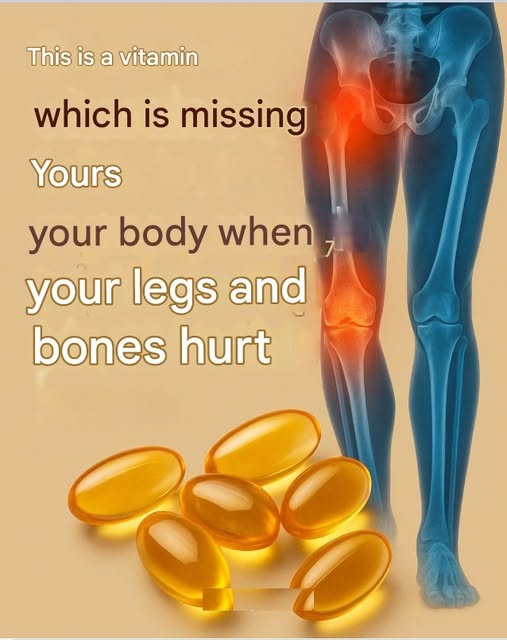
This Is the Vitamin Your Body Is Missing When Your Legs and Bones Hurt
Aching legs. Sore bones. That deep, dull pain that seems to come from nowhere and refuses to go away. Many people blame age, arthritis, long hours on their feet, or even bad weather. While those factors can certainly play a role, there is one extremely common and often overlooked cause behind persistent leg and bone pain: vitamin D deficiency.
Vitamin D is not just another supplement on the shelf. It plays a central role in how your bones, muscles, and nerves function. When your body doesn’t have enough of it, pain is often one of the first warning signs.
Why Vitamin D Matters So Much
Vitamin D is essential for calcium absorption. Without it, your body cannot effectively absorb calcium from the food you eat, no matter how calcium-rich your diet is. Calcium is what gives bones their strength and density. When vitamin D levels are low, bones gradually become weaker, softer, and more prone to pain.
But bones are not the only tissues affected. Vitamin D also plays a key role in muscle function, nerve signaling, and inflammation control. That’s why deficiency can cause pain that feels muscular, skeletal, or both.
The Hidden Link Between Vitamin D and Leg Pain
One of the most common symptoms of low vitamin D is aching or throbbing pain in the legs, especially in the calves, thighs, and hips. Many people describe it as a deep bone pain rather than surface muscle soreness.
This happens because vitamin D deficiency can lead to a condition called osteomalacia in adults. Osteomalacia causes bones to soften, making them more sensitive to pressure and movement. Even simple activities like walking, climbing stairs, or standing for long periods can trigger discomfort.
At the same time, muscles weakened by low vitamin D may fatigue more easily, cramp frequently, or feel heavy and sore. This combination of weak bones and weak muscles often shows up first in the legs because they carry the weight of your body every day.
Bone Pain Isn’t Just “Getting Older”
Many people accept bone and joint pain as an inevitable part of aging. However, studies consistently show that vitamin D deficiency is widespread, even among younger adults. People who spend most of their time indoors, cover their skin from the sun, or live in areas with limited sunlight are especially at risk.
Older adults are even more vulnerable because aging skin produces less vitamin D from sunlight, and the kidneys become less efficient at converting it into its active form.
Bone pain caused by vitamin D deficiency often affects:
-
The shins and lower legs
-
Hips and pelvis
-
Lower back
-
Knees
Unlike arthritis, this pain may feel more diffuse and persistent rather than sharp or localized.
Other Warning Signs You Shouldn’t Ignore
Leg and bone pain rarely appear alone. Low vitamin D often comes with additional symptoms, including:
-
Frequent muscle cramps or spasms
-
Weakness when standing up or climbing stairs
-
Fatigue and low energy
-
Increased risk of falls
-
Slow recovery after exercise
-
Brittle bones or frequent fractures
If you experience several of these symptoms together, vitamin D deficiency becomes even more likely.
Why Deficiency Is So Common Today
Despite being called the “sunshine vitamin,” modern lifestyles make it surprisingly hard to get enough vitamin D naturally.
Common reasons include:
-
Spending most of the day indoors
-
Regular use of sunscreen (important for skin health, but it blocks vitamin D production)
-
Air pollution reducing UV exposure
-
Limited dietary sources of vitamin D
-
Poor absorption due to gut or kidney issues
Even people living in sunny regions can be deficient if they avoid direct sun exposure or have darker skin, which naturally produces less vitamin D.
How to Restore Healthy Vitamin D Levels
The good news is that vitamin D deficiency is one of the easiest nutritional problems to correct.
Sunlight
Exposing your skin to sunlight for about 15–30 minutes several times a week can significantly boost vitamin D levels, depending on skin tone, location, and time of year.
Dietary Sources
Foods that naturally contain or are fortified with vitamin D include:
-
Fatty fish like salmon, sardines, and mackerel
-
Egg yolks
-
Fortified milk and yogurt
-
Fortified cereals
However, diet alone is often not enough.
Supplements
Many healthcare professionals recommend vitamin D supplements, especially for people with confirmed deficiency. Vitamin D3 (cholecalciferol) is generally considered the most effective form.
When Pain Begins to Fade
One of the most encouraging signs that vitamin D was the missing piece is how quickly symptoms can improve. Many people report reduced leg pain, stronger muscles, and better mobility within weeks to a few months of correcting their levels.
Bones take longer to rebuild strength, but consistent vitamin D intake helps stop further weakening and supports long-term skeletal health.
The Bottom Line
If your legs ache, your bones feel sore, and nothing seems to explain the pain, your body may be quietly asking for vitamin D. This essential nutrient supports bone strength, muscle function, and pain regulation—and without it, discomfort becomes almost inevitable.
Before assuming pain is simply part of life, consider that your body might just be missing one crucial vitamin. Restoring vitamin D levels doesn’t just reduce pain—it helps you move, stand, and live with greater strength and confidence every day.