 Skip to content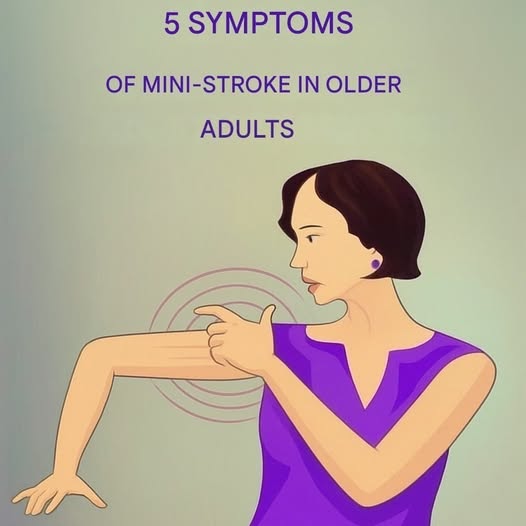
A mini stroke, medically known as a Transient Ischemic Attack (TIA), is often described as a “warning stroke.” While its symptoms may last only a few minutes to a few hours and then disappear, a TIA is a serious medical emergency—especially in seniors. It signals that a major stroke could occur in the near future, sometimes within days or weeks. Recognizing the early signs can save a life and prevent long-term disability.
Here are five critical symptoms of a mini stroke in seniors that should never be ignored, even if they seem mild or temporary.
1. Sudden Weakness or Numbness on One Side of the Body
One of the most common and recognizable signs of a mini stroke is sudden weakness or numbness, particularly affecting one side of the body. This may involve:
-
The face (one side drooping)
-
An arm or leg feeling heavy, weak, or “asleep”
-
Difficulty lifting one arm evenly
In seniors, this symptom is sometimes brushed off as arthritis, nerve problems, or fatigue. However, the key difference is sudden onset. If weakness or numbness appears abruptly and without explanation, it could be a TIA.
Even if the sensation fades after a short time, it does not mean the danger has passed. The temporary nature of the symptom is exactly what defines a mini stroke—and makes it so dangerous when ignored.
2. Trouble Speaking or Understanding Speech
Another alarming symptom is a sudden change in speech or comprehension. Seniors experiencing a mini stroke may:
-
Slur their words
-
Speak slowly or incoherently
-
Struggle to find simple words
-
Have difficulty understanding what others are saying
Family members may notice that the person sounds confused or “not like themselves.” In some cases, the senior may be aware of what they want to say but be unable to express it clearly.
These speech-related symptoms are often mistaken for memory problems or early dementia. However, when speech difficulties appear suddenly, they should always be treated as a possible stroke-related event.
3. Sudden Vision Problems in One or Both Eyes
Vision changes are another key warning sign that is frequently overlooked in older adults. A mini stroke can cause:
-
Blurred or double vision
-
Partial loss of vision in one eye
-
A dark curtain or shadow moving across the field of vision
-
Difficulty focusing
Because seniors may already have eye conditions such as cataracts or macular degeneration, sudden vision changes may be dismissed as “just eye trouble.” The important clue is speed—vision problems related to a TIA typically appear suddenly and without pain.
Any abrupt visual disturbance, even if it clears quickly, should be evaluated immediately.
4. Sudden Dizziness, Loss of Balance, or Coordination Problems
A mini stroke can affect areas of the brain responsible for balance and coordination. Seniors may suddenly experience:
-
Dizziness or lightheadedness
-
Trouble walking straight
-
Loss of balance or unexplained falls
-
Difficulty coordinating movements
These symptoms are especially dangerous for older adults because they increase the risk of serious falls and injuries. Unfortunately, they are often attributed to aging, inner ear problems, or low blood pressure.
If dizziness or balance problems appear suddenly—especially when combined with other symptoms like vision or speech changes—it may be a sign of a mini stroke and requires urgent medical attention.
5. Sudden Confusion or Changes in Mental State
A less obvious but equally serious symptom of a mini stroke is sudden confusion or mental changes. This may include:
-
Difficulty concentrating
-
Disorientation about time or place
-
Trouble following simple instructions
-
Sudden memory lapses
In seniors, these signs are often mistaken for normal aging, stress, or early Alzheimer’s disease. However, the defining feature of a TIA-related mental change is its abrupt onset.
If a senior suddenly seems confused, withdrawn, or mentally “foggy,” even for a short period, it should not be ignored—especially if they were mentally sharp just hours earlier.
Why Mini Strokes in Seniors Are So Dangerous
The biggest danger of a mini stroke is not the event itself, but what comes next. Studies show that a significant number of people who experience a TIA go on to have a full-blown stroke, often within days. Seniors are at even higher risk due to factors such as high blood pressure, diabetes, heart disease, and reduced blood vessel elasticity.
A TIA is the body’s way of sending a clear warning signal. Ignoring it can mean losing the chance to prevent permanent brain damage.
What to Do If You Suspect a Mini Stroke
If you notice any of these symptoms—whether they last minutes or hours—seek emergency medical care immediately. Do not wait for symptoms to pass or assume they are harmless.
A helpful way to remember stroke warning signs is the FAST method:
-
Face drooping
-
Arm weakness
-
Speech difficulty
-
Time to call emergency services
Quick medical evaluation can lead to treatments that significantly reduce the risk of a major stroke.
Final Thoughts
Mini strokes in seniors are often silent, brief, and easy to dismiss—but they are never harmless. Sudden weakness, speech problems, vision changes, dizziness, or confusion are the body’s urgent warning signs. Recognizing these symptoms early and acting fast can mean the difference between recovery and lifelong disability.
When it comes to mini strokes, it’s always better to overreact than to ignore the signs.