 Skip to content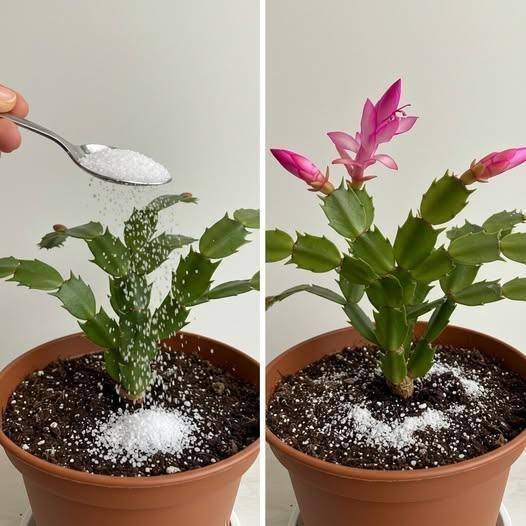
Fall Awakening: Breathing Life into House Flowers with a Little Secret
As summer fades and autumn settles in, many houseplants quietly slip into survival mode. Days grow shorter, sunlight weakens, indoor air becomes drier, and suddenly your once-lush house flowers look tired, pale, or reluctant to bloom. Leaves may yellow, growth slows, and flowering plants seem to “go to sleep.” But fall doesn’t have to mean decline. In fact, with the right care—and one simple secret—you can help your house flowers awaken, strengthen, and stay vibrant well into the cooler months.
Why House Flowers Struggle in Fall
Fall brings subtle but important changes to a plant’s environment. Reduced daylight affects photosynthesis, meaning plants produce less energy. Indoor heating lowers humidity, drying out leaves and soil faster than expected. At the same time, many people continue summer watering routines, which can lead to soggy roots and root rot.
Flowering houseplants like orchids, African violets, peace lilies, begonias, and geraniums are especially sensitive during seasonal transitions. They don’t necessarily need more care—but they need smarter care.
The First Step: Reset Your Fall Routine
Before revealing the little secret, it’s important to reset your plant care habits for fall.
1. Adjust watering.
Most house flowers need less water in fall. Always check the top inch of soil before watering. If it feels dry, water thoroughly. If not, wait. Overwatering is the number one cause of fall plant stress.
2. Move toward the light.
As daylight weakens, move plants closer to windows. East- or south-facing windows are ideal. Rotate pots weekly so plants grow evenly and don’t lean.
3. Clean the leaves.
Dust blocks light. Gently wipe leaves with a damp cloth to improve photosynthesis and give your plants an instant refresh.
4. Watch the temperature.
Keep flowers away from cold drafts and heat vents. Sudden temperature changes shock plants and can cause buds to drop.
The Little Secret: Gentle Mineral Boosting
Here’s the simple secret many experienced plant lovers use in fall: a light mineral boost using Epsom salt water—used correctly and sparingly.
Epsom salt (magnesium sulfate) provides magnesium, a key element in chlorophyll production. Magnesium helps plants use light more efficiently, which is especially valuable during darker fall days. When plants lack magnesium, leaves may yellow and flowering can slow.
How to use it safely:
-
Dissolve ½ teaspoon of Epsom salt in 1 liter (about 4 cups) of water
-
Use this solution once every 4–6 weeks
-
Apply only to moist soil, never dry soil
-
Suitable for flowering plants like roses (indoors), orchids, African violets, and peace lilies
This is not a fertilizer replacement—it’s a gentle support that helps plants adapt to reduced light and seasonal stress.
Why This Works in Fall
During fall, plants aren’t actively growing fast, but they are adjusting internally. Magnesium supports:
-
Stronger leaf color
-
Better energy production
-
Healthier root function
-
Improved flower formation in blooming plants
Used sparingly, it helps “wake up” sluggish plants without forcing unnatural growth.
Support Your Flowers with Humidity
Another key to fall success is humidity. Indoor air becomes dry as heating systems turn on, and many flowering plants come from tropical environments.
Simple ways to increase humidity:
-
Place a bowl of water near plants
-
Group plants together to create a humid microclimate
-
Use a pebble tray with water under pots
-
Lightly mist leaves in the morning (avoid fuzzy-leaf plants)
Balanced humidity keeps buds from drying out and leaves from curling.
Reduce Feeding, Not Care
Many people stop fertilizing completely in fall, which can weaken flowering plants. Instead of heavy feeding, switch to a diluted balanced fertilizer once every 4–6 weeks. This maintains nutrients without overstimulating growth.
Combined with the occasional mineral boost, this approach keeps plants nourished but calm—exactly what they need during seasonal change.
Signs Your Plants Are Awakening
Within a few weeks of proper fall care, you may notice:
-
Deeper green leaves
-
Stronger stems
-
New leaf growth
-
Bud formation or longer-lasting flowers
-
Less leaf drop
These are signs your house flowers have adapted and are thriving, not merely surviving.
A Gentle Reminder
Less is more in fall. Plants don’t need constant interference—they need consistency, light, and small adjustments. The little secret isn’t magic; it’s understanding what your plants quietly ask for during this transition.
Final Thoughts
Fall doesn’t signal the end of beauty indoors—it’s an opportunity to create a calm, healthy environment where house flowers can rest, recharge, and quietly shine. With mindful watering, better light, humidity support, and a gentle mineral boost, your indoor garden can remain alive, colorful, and full of life all season long.
Sometimes, breathing life into house flowers isn’t about doing more—it’s about doing just enough, at exactly the right time. 🌿