 Skip to content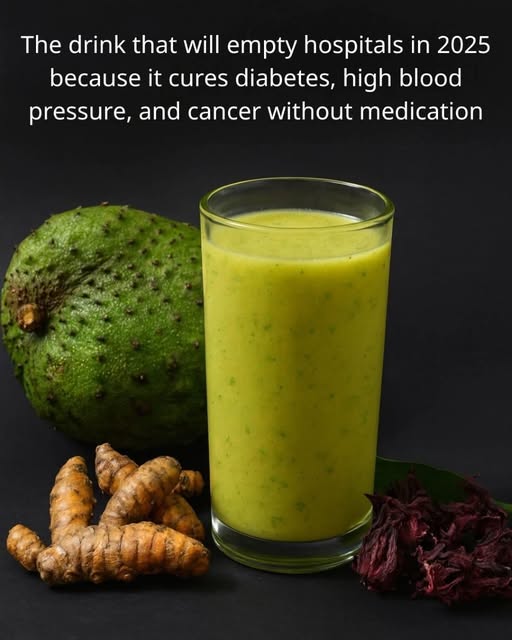
The Myth of the Miracle Drink: Why No Beverage Will Cure Diabetes, High Blood Pressure, and Cancer in 2025
In 2025, social media is buzzing with claims about a miraculous drink that supposedly cures diabetes, high blood pressure, and cancer without medication—a beverage so potent that it will “empty hospitals” worldwide. But despite its viral popularity, health professionals and scientists are clear: no drink can single-handedly cure these complex diseases. This narrative isn’t just misleading—it’s potentially dangerous for public health.
To understand why, we need to look at what science actually tells us about nutrition, disease, and how these conditions are treated.
1. Misleading Claims Spread Fast—But Evidence Matters
Every few years a new “super drink” captures public imagination. Noni juice, for instance, was once marketed with claims of curing everything from diabetes to cancer—despite no scientific evidence supporting these claims. Regulatory authorities like the U.S. Food and Drug Administration have repeatedly warned that noni juice is not proven to treat any disease and may even carry risks such as liver toxicity.
Similarly, viral posts promoting garlic and betel leaves as a cure for hypertension and diabetes have been debunked by health experts: while garlic might slightly lower blood pressure in some people, it does not cure the diseases themselves, and betel leaves have no validated benefits.
False miracle cures are not new—but in a world where headlines spread faster than research, distinguishing fact from fiction is more important than ever.
2. Complex Diseases Don’t Have Simple Cures
Diabetes
Type 2 diabetes is a chronic metabolic condition in which the body struggles to regulate blood sugar due to insulin resistance or deficiency. Its management typically includes lifestyle changes (diet and exercise), blood sugar monitoring, and sometimes medications like metformin or newer drugs such as semaglutide.
Although some beverages might help with blood sugar control (for example, water, tea, and seltzer can support hydration and metabolic health), none can reverse diabetes on their own.
High Blood Pressure
Hypertension, or high blood pressure, is similarly multifactorial—affected by genetics, diet, stress, physical activity, and more. Some herbal infusions like hibiscus (sour tea) have been shown in small studies to modestly reduce blood pressure, likely due to antioxidants and diuretic effects—but the impact is small and not a standalone cure.
Cancer
Cancer isn’t a single disease but a group of hundreds of conditions where cells grow uncontrollably. Treatment depends on cancer type, stage, genetics, and many other factors. There is no food or drink that has been proven to cure cancer. While antioxidants and phytochemicals in certain beverages may contribute to reducing risk or supporting overall health, that’s far from a cure.
For example, some experts highlight that green tea and coffee contain antioxidants that may be associated with a modest reduction in the risk of certain cancers. But correlation is not causation, and reductions in risk do not equate to cures.
A Stanford Medicine oncology dietitian specifically warns against oversimplified claims like “sugar feeds cancer,” noting that such messages can fuel misinformation rather than guide helpful choices.
3. What Beverages Can Do: Support—but Not Cure
While no drink is a panacea, certain beverages support health as part of a balanced lifestyle:
-
Water: Essential for life. Proper hydration supports kidney function, which helps regulate metabolic processes and may dilute certain toxins that can affect cancer risk.
-
Tea and Coffee: Both contain antioxidants and polyphenols. Some studies suggest green tea may slightly lower blood sugar and blood pressure, and coffee consumption has been linked with a lower risk of type 2 diabetes and some cancers—but these effects are modest and preventative rather than curative.
-
Herbal Teas: Chamomile, ginger, and peppermint are popular for comfort and may offer anti-inflammatory effects. Some research associates them with improved digestion and reduced inflammation, which supports general health but doesn’t cure disease.
-
Vegetable Juices: Drinks made from leafy greens, cucumber, or celery can be nutrient-rich and help manage blood sugar levels if prepared without added sugars.
-
Functional Beverages: Some fruit- and vegetable-based drinks have bioactive compounds like polyphenols that show promise in laboratory or animal studies for anti-diabetic and heart-healthy effects. However, they remain far from proven cures.
None of these should replace medical treatment. They complement a healthy diet and lifestyle, but by themselves they cannot eliminate chronic disease.
4. Why “Miracle Cure” Narratives Are Harmful
Promoting a single drink as a cure for multiple serious diseases can have serious public health consequences:
-
Delaying proper care: Believing a beverage will cure disease may discourage people from seeking proven medical treatment, leading to worse outcomes.
-
Creating false hope: People with cancer, diabetes, or hypertension may hold onto misinformation rather than focusing on effective strategies like regular medical checkups, medications when needed, and lifestyle changes.
-
Misinformation cycles: Social media accelerates myths faster than scientific research can debunk them, making education and critical evaluation essential.
5. The Real Path Forward
Effective management and prevention of chronic diseases require a combination of:
-
Balanced diet (rich in whole foods, low in processed sugars)
-
Regular exercise
-
Proper medical care (regular monitoring, evidence-based treatments)
-
Healthy habits (stress management, sleep hygiene, hydration)
Beverages like water, tea, coffee, and nutrient-rich juices can support these goals—but they aren’t cures.
In 2025 and beyond, the focus should be on empowering people with accurate health information rather than chasing myths. There is no silver-bullet drink that will empty hospitals—just evidence-based care, preventive practices, and informed choices that help improve health over the long term.
Bottom line: No drink will cure diabetes, high blood pressure, and cancer. While some beverages may support aspects of health and risk reduction, diseases as complex as these require comprehensive medical approaches and lifestyle strategies—not miracle elixirs.