 Skip to content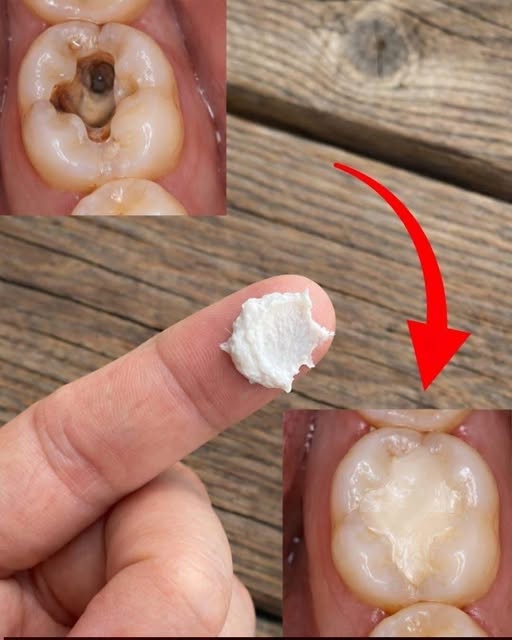
Keep These Tips in Mind to Avoid Visiting the Dentist: How to Naturally Repair a Cavity
Let’s be honest—most people only think about their teeth when pain shows up. By then, a simple issue may have turned into a full-blown cavity that requires a drill, a filling, or worse. The good news? Very early tooth decay can sometimes be stopped—or even reversed—naturally if you act early and adopt the right habits.
While advanced cavities always need professional dental treatment, early enamel damage (also called demineralization) can often be repaired through natural methods that strengthen and remineralize the tooth. Here’s how to protect your smile and reduce unnecessary trips to the dentist.
First, What Is a Cavity?
A cavity forms when acids produced by bacteria in your mouth slowly wear down tooth enamel. This happens when sugars and starches feed harmful bacteria, creating acid that erodes the protective outer layer of your teeth.
Cavities develop in stages:
-
Enamel demineralization (early and reversible)
-
Enamel decay
-
Dentin damage
-
Pulp infection (painful and serious)
The key is catching the problem at stage one, when natural repair is still possible.
1. Improve Your Oral Hygiene (This Matters More Than You Think)
No natural remedy will work if plaque is left sitting on your teeth.
Do this daily:
-
Brush twice a day for at least 2 minutes
-
Use a soft-bristled toothbrush
-
Clean gently along the gum line
-
Floss once daily to remove trapped food and bacteria
Plaque left behind continues to produce acid—even if you eat healthy foods.
2. Use Fluoride—or Natural Remineralizing Alternatives
Fluoride helps rebuild weakened enamel and is one of the most proven cavity-fighting minerals. If you prefer natural options, there are alternatives that may help remineralize enamel:
Natural remineralizing aids:
-
Calcium (strengthens enamel)
-
Phosphorus (supports tooth structure)
-
Magnesium (helps absorb calcium)
-
Hydroxyapatite toothpaste (a fluoride-free option)
These minerals help replace what acid removes from your teeth.
3. Cut Sugar and Refined Carbs (This Is Non-Negotiable)
Sugar is the main fuel for cavity-causing bacteria. Even “healthy” sugars like honey or fruit juice can still harm enamel when consumed frequently.
Reduce or avoid:
-
Sugary drinks (including soda and sweet tea)
-
Candy and sweets
-
White bread and pastries
-
Frequent snacking between meals
The fewer acid attacks your teeth face each day, the more time enamel has to repair itself.
4. Eat Tooth-Friendly Foods
Your diet plays a powerful role in tooth repair.
Foods that help remineralize teeth:
-
Leafy greens (spinach, kale)
-
Cheese and yogurt (rich in calcium)
-
Nuts and seeds
-
Eggs (contain vitamin D)
-
Fatty fish (supports mineral absorption)
These foods help neutralize acid and supply the building blocks enamel needs to stay strong.
5. Oil Pulling: An Ancient Practice for Oral Health
Oil pulling involves swishing oil (usually coconut oil) in your mouth for 10–15 minutes, then spitting it out.
Potential benefits:
-
Reduces harmful bacteria
-
Lowers plaque buildup
-
Improves gum health
-
Helps maintain a balanced oral environment
While oil pulling won’t fix deep cavities, it may help prevent early decay from worsening.
6. Avoid Constant Snacking
Every time you eat, your mouth becomes acidic for about 20–30 minutes. If you snack all day, your teeth are constantly under attack.
Better habits:
-
Eat full meals instead of frequent snacks
-
Drink water between meals
-
Chew sugar-free gum to stimulate saliva
Saliva is your body’s natural defense—it neutralizes acids and delivers minerals to teeth.
7. Drink More Water (Especially After Meals)
Water washes away food particles and bacteria while helping maintain a healthy saliva flow.
If possible:
-
Drink water after every meal
-
Choose fluoridated water if available
-
Avoid sipping sugary drinks throughout the day
Hydration plays a surprisingly large role in cavity prevention.
8. Strengthen Your Gums to Protect Your Teeth
Healthy gums protect tooth roots from exposure and decay.
Natural gum-supporting habits:
-
Massage gums gently while brushing
-
Use saltwater rinses
-
Avoid smoking
-
Manage stress (stress weakens immunity)
Strong gums reduce the risk of bacteria reaching deeper parts of the tooth.
When Natural Methods Are NOT Enough
It’s important to be realistic. Once a cavity has formed a hole in the tooth, it cannot be repaired naturally. At that point, delaying treatment may lead to pain, infection, or tooth loss.
See a dentist if you notice:
-
Tooth pain or sensitivity
-
Visible holes or dark spots
-
Swelling or bleeding gums
-
Bad breath that doesn’t go away
Natural care works best as prevention and early intervention, not a replacement for professional treatment.
Final Thoughts
You may not be able to “regrow” a tooth, but you can help your body repair early enamel damage and stop cavities before they get worse. By improving oral hygiene, eating the right foods, cutting sugar, and supporting natural remineralization, you can protect your teeth and avoid unnecessary dental visits.
Your smile is worth the effort—and prevention is always easier, cheaper, and less painful than treatment. 😁