 Skip to content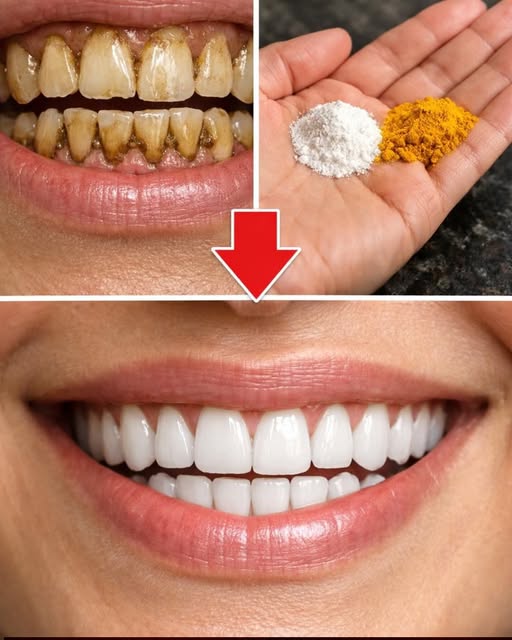
Scroll through social media and you’ll see the headline everywhere: “Dentists don’t want you to know this secret—whiten your teeth in just 2 minutes!” It sounds tempting, almost magical. Who wouldn’t want a brighter smile without appointments, costs, or waiting weeks? But here’s the honest truth: there is no safe, permanent way to dramatically whiten teeth in two minutes. What does exist are quick tricks that create a temporary illusion of whiteness, along with proven methods that work safely over time.
Let’s separate fact from fiction—and show you what actually helps your smile look whiter fast, without damaging your teeth.
Why Teeth Look Yellow in the First Place
Before whitening, it helps to understand discoloration. Teeth aren’t naturally paper-white. Their color comes from:
-
Enamel thickness (thin enamel = more yellow dentin showing)
-
Stains from food and drinks (coffee, tea, soda, curry, berries)
-
Smoking or vaping
-
Aging
-
Certain medications
-
Poor oral hygiene
Some stains sit on the surface (extrinsic stains), while others settle inside the tooth (intrinsic stains). Quick tricks only affect surface stains—temporarily.
The “2-Minute Whitening” Tricks: What Really Happens
1. Baking Soda Brushing
This is the most common viral trick.
How it works:
Baking soda is mildly abrasive. It can scrub away surface stains, making teeth appear whiter immediately.
The truth:
-
Yes, teeth may look slightly brighter after 1–2 minutes
-
No, it does not change your natural tooth color
-
Overuse can damage enamel and cause sensitivity
Safe rule: Once a week max—never daily.
2. Hydrogen Peroxide Rinses
Often mixed with water and swished for a minute.
How it works:
Peroxide breaks down stain molecules on the enamel surface.
The truth:
-
Dentists use peroxide—but in controlled concentrations
-
DIY overuse can irritate gums and weaken enamel
-
Whitening effect is mild and short-lived
Never use undiluted peroxide.
3. Charcoal Powder
Popular but controversial.
How it works:
Activated charcoal absorbs pigments from surface stains.
The truth:
-
Immediate brightness = stain removal, not whitening
-
Highly abrasive → enamel wear over time
-
Many dentists actively warn against frequent use
Looks good today, risky tomorrow.
4. Oil Pulling (Coconut Oil)
Swishing oil for 1–2 minutes (or longer).
How it works:
Reduces bacteria and plaque that dull teeth.
The truth:
-
Improves oral cleanliness
-
No real whitening effect in minutes
-
Helps prevent staining over time
Why Dentists “Don’t Recommend” These Hacks (And It’s Not a Conspiracy)
Dentists don’t hide secrets—they protect enamel. Once enamel is damaged, it does not grow back. Many viral whitening hacks:
-
Strip enamel
-
Increase tooth sensitivity
-
Cause gum irritation
-
Lead to yellowing worse than before
That’s why professionals focus on safe, gradual whitening instead of instant illusions.
What Actually Whitens Teeth Safely (And Still Works Fast)
1. Whitening Toothpaste (2–7 Days)
Contains low-abrasive polishers and gentle peroxide.
✔ Safe for daily use
✔ Gradual, real improvement
✔ No enamel damage
2. Whitening Strips (7–14 Days)
These use dentist-approved peroxide levels.
✔ Visible results
✔ Affordable
✔ Follow instructions strictly
3. Professional In-Office Whitening
This is the real fast method.
✔ Results in 30–60 minutes
✔ Safest high-strength peroxide
✔ Long-lasting
Not 2 minutes—but real, dramatic whitening.
Want Your Teeth to Look Whiter Instantly? Try These Optical Tricks
These don’t change tooth color—but they make teeth look whiter immediately:
-
🟣 Use blue-toned toothpaste or mouthwash (neutralizes yellow tones)
-
💄 Wear blue-based red lipstick
-
🪥 Floss before brushing (removes hidden plaque)
-
💧 Drink water after staining foods
-
🧼 Professional cleaning (removes years of buildup)
Sometimes the “whitening” is just better contrast and cleanliness.
The Biggest Myth: “Natural = Safe”
Natural doesn’t always mean harmless.
❌ Lemon juice (acid erosion)
❌ Vinegar rinses
❌ Salt scrubs
❌ Frequent baking soda use
These may whiten briefly—but permanently weaken your teeth.