 Skip to content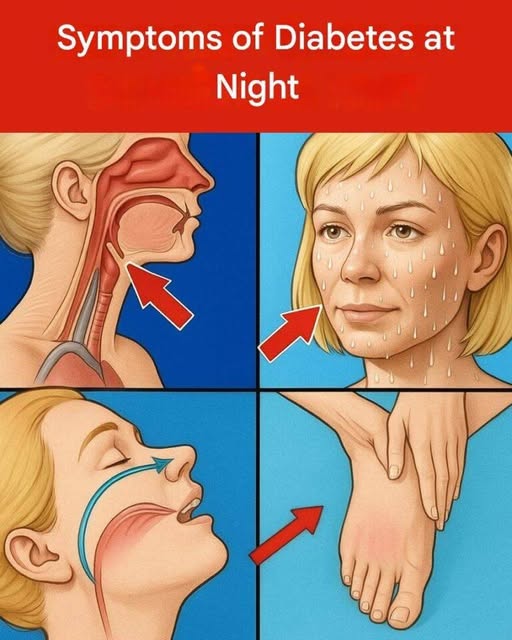
Diabetes doesn’t always announce itself loudly during the day. For many people, the earliest and most noticeable warning signs appear at night, when the body is supposed to rest and recover. These nighttime symptoms are often ignored, blamed on stress, aging, or poor sleep habits—but they can be important clues that blood sugar levels are not well controlled.
Whether you’re living with diabetes, prediabetes, or simply want to protect your health, understanding these nighttime warning signs can help you take action sooner rather than later.
Below are five common diabetes symptoms that often appear at night, along with why they happen and what they may be trying to tell you.
1. Frequent Urination at Night (Nocturia)
Waking up once in the night to use the bathroom is common. Waking up multiple times every night is not.
High blood sugar forces the kidneys to work overtime. When excess glucose builds up in the bloodstream, the body tries to flush it out through urine. This leads to increased urine production—especially noticeable at night when the body is otherwise still.
Why it matters:
Frequent nighttime urination can be an early sign of undiagnosed diabetes or poorly controlled blood sugar. Over time, it disrupts deep sleep, weakens the immune system, and increases fatigue during the day.
Red flag:
If you’re waking up two or more times every night to urinate and this is new or worsening, it’s worth checking your blood sugar levels.
2. Excessive Thirst That Wakes You Up
Do you keep a glass or bottle of water by your bed—and still wake up thirsty?
When blood sugar is high, your body pulls fluid from tissues to dilute the excess glucose. This leads to dry mouth, dehydration, and intense thirst, often becoming more noticeable at night.
Why it happens at night:
During sleep, saliva production naturally decreases. In people with diabetes, this dryness becomes extreme, triggering repeated awakenings to drink water.
What to watch for:
-
Constant dry mouth
-
Drinking large amounts of water at night
-
Thirst that doesn’t improve despite hydration
This symptom often goes hand-in-hand with nighttime urination, creating a frustrating cycle.
3. Night Sweats (Especially Cold Sweats)
Waking up drenched in sweat—even when the room is cool—can be alarming.
In people with diabetes, night sweats are often caused by low blood sugar (nocturnal hypoglycemia). When glucose levels drop too low during sleep, the body releases stress hormones like adrenaline to raise blood sugar. This hormonal surge can cause sweating, shaking, and a racing heart.
Common signs include:
-
Damp sheets or pajamas
-
Cold, clammy skin
-
Vivid dreams or nightmares
-
Waking up feeling anxious or shaky
Why this is serious:
Repeated nighttime hypoglycemia can be dangerous and may go unnoticed for years, especially in people taking insulin or certain diabetes medications.
4. Tingling, Burning, or Pain in the Legs and Feet
If your legs or feet start burning, tingling, or aching just as you’re trying to sleep, diabetes may be playing a role.
This symptom is often linked to diabetic neuropathy, a type of nerve damage caused by prolonged high blood sugar levels. Nighttime tends to make nerve pain feel worse because there are fewer distractions and changes in body position can irritate damaged nerves.
Typical nighttime sensations:
-
Pins and needles
-
Burning or electric-shock feelings
-
Deep aching pain
-
Extreme sensitivity to sheets or blankets
Early warning:
Neuropathy can begin silently. Mild nighttime tingling may appear years before daytime pain develops.
5. Trouble Sleeping or Restless Sleep
Diabetes doesn’t just affect blood sugar—it affects sleep quality.
People with diabetes are more likely to experience:
-
Insomnia
-
Restless leg syndrome
-
Sleep apnea
-
Frequent nighttime awakenings
Blood sugar fluctuations, nerve discomfort, thirst, and bathroom trips all interfere with the body’s natural sleep cycles.
Why poor sleep makes diabetes worse:
Lack of quality sleep increases insulin resistance, raises stress hormones, and makes blood sugar harder to control the next day—creating a vicious cycle.
If you wake up feeling unrefreshed despite enough hours in bed, nighttime blood sugar issues could be the hidden cause.
Why You Shouldn’t Ignore Nighttime Symptoms
Many people dismiss these signs as “normal aging” or temporary sleep problems. But nighttime symptoms are often early warning signals that appear before more obvious daytime complications.
Ignoring them can lead to:
-
Worsening blood sugar control
-
Nerve damage
-
Kidney strain
-
Heart disease
-
Chronic fatigue
Early detection makes diabetes far easier to manage.
What You Can Do
If you notice one or more of these symptoms regularly:
-
Check your blood sugar (especially fasting and nighttime levels)
-
Keep a symptom journal noting sleep issues and nighttime awakenings
-
Avoid heavy or sugary meals before bed
-
Talk to a healthcare provider about testing for diabetes or adjusting treatment
Small changes can make a big difference—especially when caught early.
Final Thought
Your body doesn’t stop communicating at night. In fact, it often speaks the loudest when everything else is quiet. If your sleep has been disrupted by thirst, bathroom trips, sweating, or nerve discomfort, don’t brush it off.
Those nighttime symptoms may be your body’s way of asking for attention—before diabetes takes a stronger hold.