 Skip to content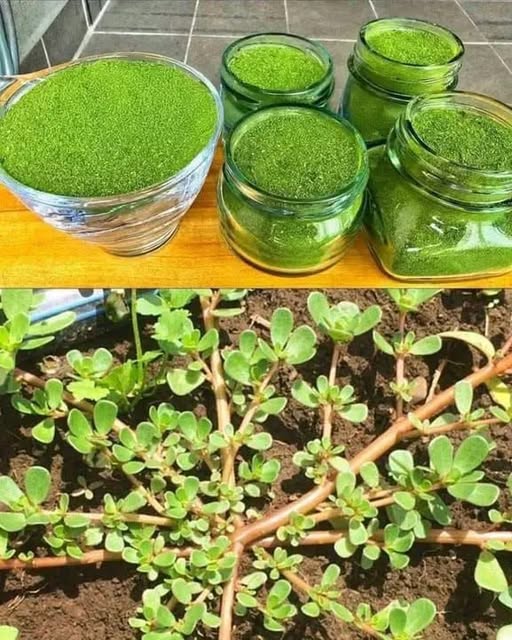
Most gardeners have done it without a second thought—pulled it out, tossed it aside, or crushed it underfoot while weeding. Yet one of the most overlooked plants in home gardens around the world is actually a quiet treasure. That so-called “weed” is purslane, and once you understand its value, you may never look at it the same way again.
The Weed Everyone Misjudges
Purslane ( Portulaca oleracea ) grows low to the ground with smooth, reddish stems and small, fleshy green leaves. Because it spreads quickly and thrives in cracks, garden beds, and poor soil, it’s often labeled a nuisance. But this hardy survivor is anything but useless.
In fact, purslane has been used for thousands of years in traditional cuisines and natural gardening practices across Asia, the Middle East, the Mediterranean, and parts of Africa. What many modern gardeners don’t realize is that pulling it out is like throwing away free benefits your garden is offering you.
Why Gardeners Call It a “Gold Mine”
Purslane earns its golden reputation for several reasons, starting with how incredibly resilient it is. This plant thrives where others struggle—dry soil, intense heat, compacted ground. That alone makes it a valuable indicator plant. If purslane is growing well in your garden, it’s telling you something important about your soil’s condition and moisture patterns.
But its true value goes far beyond survival.
A Living Soil Protector
One of purslane’s greatest garden superpowers is its ability to protect soil. Its low-growing, spreading habit acts like a natural mulch. It shades the soil, reduces moisture loss, and helps prevent erosion during heavy watering or rainfall. In hot climates, this ground cover effect can be a lifesaver for nearby plants.
Instead of leaving bare soil exposed to sun and wind, purslane quietly works to maintain balance underground.
A Nutrient Accumulator
Purslane is known as a nutrient accumulator, meaning it draws minerals from deep within the soil and stores them in its leaves and stems. When the plant eventually breaks down—or is composted—those nutrients are returned to the soil in a more accessible form for other plants.
Gardeners who compost purslane are essentially recycling minerals for free. It’s nature’s way of fertilizing without chemicals.
Beneficial for Companion Planting
Contrary to popular belief, purslane doesn’t aggressively steal nutrients from nearby plants. Its shallow root system coexists peacefully with deeper-rooted vegetables and flowers. Some gardeners even allow it to grow intentionally between rows to reduce weed competition and keep soil temperatures stable.
When managed thoughtfully, purslane becomes a partner, not a problem.
Edible and Traditionally Valued
Another reason purslane is considered a treasure is that it’s edible and has been traditionally used as a leafy green in many cultures. Its slightly tangy, lemony flavor works well in salads, stir-fries, soups, and even pickles.
Historically, it was valued as a survival food because it grows abundantly with little care. Many cultures considered it too valuable to waste—quite the opposite of how it’s treated in modern gardens.
(Important note: only consume purslane if you are 100% certain of identification and it has not been exposed to pesticides or contaminants.)
A Magnet for Pollinators
When purslane flowers—producing tiny yellow blooms—it attracts beneficial insects, including pollinators. These insects help support the overall health of your garden ecosystem, improving yields and plant resilience.
A garden without insects is a fragile garden. Purslane quietly helps keep that balance intact.
Extremely Low Maintenance
Perhaps one of the most remarkable things about purslane is how little it asks for in return. No fertilizers. No special watering. No pampering. It thrives on neglect, making it ideal for gardeners who want a more natural, self-sustaining space.
Instead of fighting it endlessly, learning how to manage and harvest it can save time, effort, and resources.
When You Should Control It
Calling purslane a gold mine doesn’t mean letting it take over completely. Like any fast-growing plant, it benefits from boundaries. If it begins to crowd delicate seedlings or spread where you don’t want it, simple trimming or selective removal keeps it in check.
The key difference is intention: remove it strategically, not automatically.
Rethinking the Word “Weed”
The biggest lesson purslane teaches gardeners is that the word weed is often just a label for plants we don’t yet understand. What looks like a problem may actually be a solution waiting to be recognized.
By observing before removing, gardeners can learn which plants contribute to soil health, ecosystem balance, and long-term sustainability.
Final Thoughts
So the next time you’re tempted to step on or pull out that creeping plant with fleshy leaves, pause for a moment. You may be standing on one of the most underestimated resources in your garden. Purslane isn’t a pest—it’s a gift.