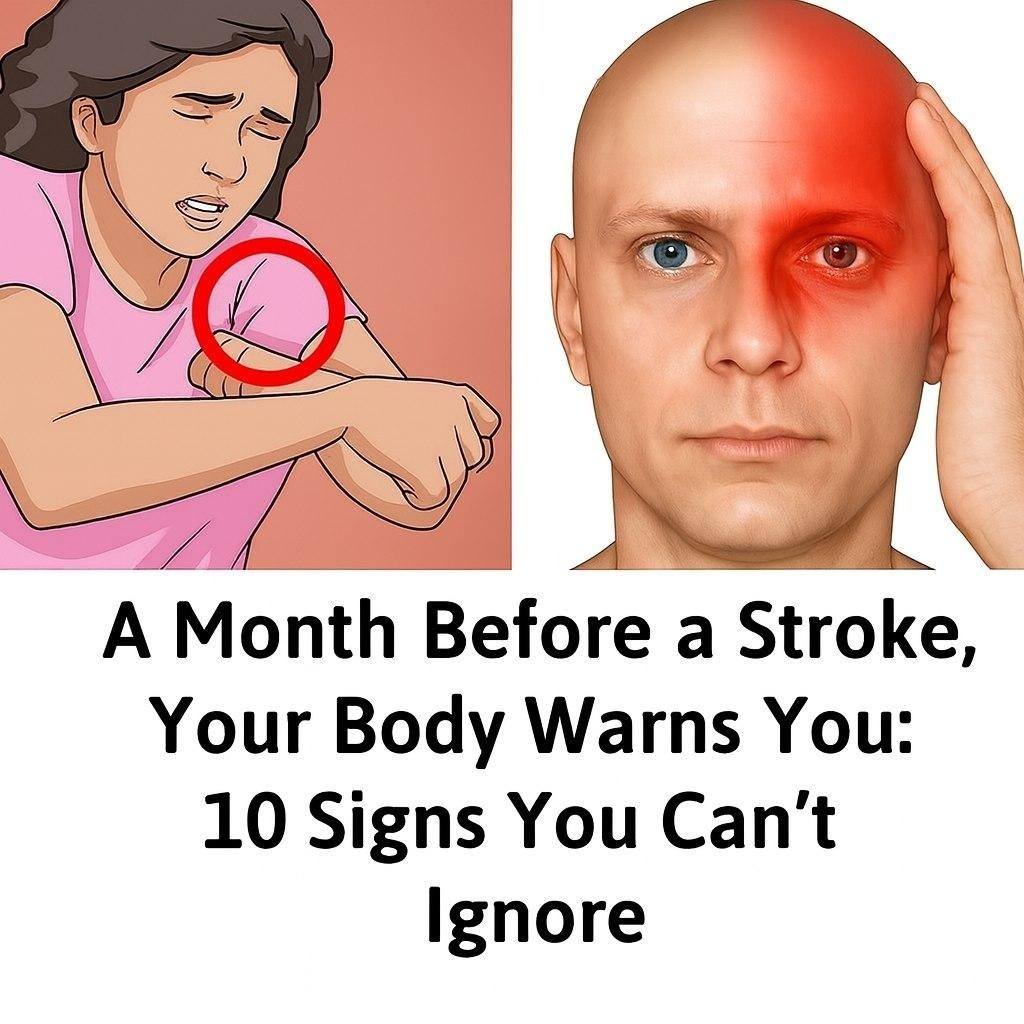
A Month Before a Stroke, Your Body Warns You: 10 Signs You Should Never Ignore
A stroke rarely happens without warning. In many cases, the body begins to send subtle — and sometimes not-so-subtle — signals weeks or even a month before a major stroke occurs. Unfortunately, these early warning signs are often ignored, mistaken for stress, fatigue, or minor health issues. Recognizing them early can be life-saving. Understanding what your body is trying to tell you may give you the chance to seek medical care before permanent damage occurs.
Here are 10 important warning signs that may appear up to a month before a stroke — and why you should never ignore them.
1. Sudden, Severe Headaches
A headache that appears suddenly and feels different from your usual headaches can be a red flag. Stroke-related headaches may feel intense, throbbing, or pressure-like and may come with dizziness or nausea. These headaches are often caused by changes in blood flow to the brain and should never be dismissed as “just another headache.”
2. Unexplained Dizziness or Loss of Balance
Frequent dizziness, trouble walking straight, or sudden balance problems can indicate reduced blood supply to the brain. If you notice yourself stumbling, feeling lightheaded, or struggling with coordination — especially without an obvious reason — it may be an early warning sign.
3. Temporary Vision Problems
Blurred vision, double vision, or sudden vision loss in one or both eyes can occur before a stroke. These symptoms may come and go, which is why many people ignore them. However, even brief visual disturbances can signal a transient ischemic attack (TIA), often called a “mini-stroke,” which is a serious warning.
4. Numbness or Tingling on One Side of the Body
Feeling numbness, tingling, or weakness in the face, arm, or leg — especially on one side — is one of the most common stroke warnings. This may happen occasionally at first and then disappear, but recurring episodes should be treated as urgent.
5. Sudden Confusion or Difficulty Speaking
If you or someone around you notices trouble finding words, slurred speech, or confusion during normal conversations, this could indicate impaired brain function. Even short episodes of speech difficulty are significant and should not be ignored.
6. Extreme Fatigue Without Explanation
Unusual, persistent fatigue that doesn’t improve with rest can be an early sign of a stroke, particularly in women. The brain may be working harder due to reduced oxygen supply, leading to overwhelming tiredness weeks before a stroke occurs.
7. Sudden Mood Changes or Personality Shifts
Irritability, anxiety, depression, or sudden emotional changes may appear before a stroke. Reduced blood flow to certain areas of the brain can affect mood regulation and behavior. If these changes come on suddenly and without explanation, they deserve attention.
8. Trouble Understanding Simple Information
Difficulty processing information, following instructions, or understanding what others are saying can signal a neurological issue. These cognitive changes may be subtle at first but are often overlooked until more severe symptoms appear.
9. Chest Discomfort and Shortness of Breath
While more commonly associated with heart problems, chest discomfort and shortness of breath can also precede a stroke. Poor circulation, blood clots, or heart rhythm problems increase the risk of stroke and may show warning signs weeks beforehand.
10. Sudden High Blood Pressure
A sharp rise in blood pressure can significantly increase stroke risk. Many people feel no symptoms, but others may experience headaches, nosebleeds, or anxiety. Regular blood pressure monitoring is crucial, especially if readings suddenly spike.
Why These Signs Are Often Ignored
Many pre-stroke symptoms are intermittent and mild, leading people to believe they are harmless. Busy schedules, stress, and fear of “overreacting” cause delays in seeking medical care. However, these early warnings are the body’s way of asking for help.
When to Seek Immediate Medical Attention
If you experience any combination of these symptoms — especially sudden weakness, speech problems, or vision loss — seek emergency care immediately. Early treatment can prevent a full stroke or significantly reduce long-term damage.
Final Thoughts
A stroke can change a life in seconds, but the warning signs often appear long before it happens. Listening to your body, recognizing unusual symptoms, and acting quickly can make the difference between recovery and lifelong disability. Never ignore what feels “off.” When it comes to stroke, time saved is brain saved.
This article is for informational purposes only and does not replace professional medical advice. Always consult a healthcare provider for diagnosis and treatment.
