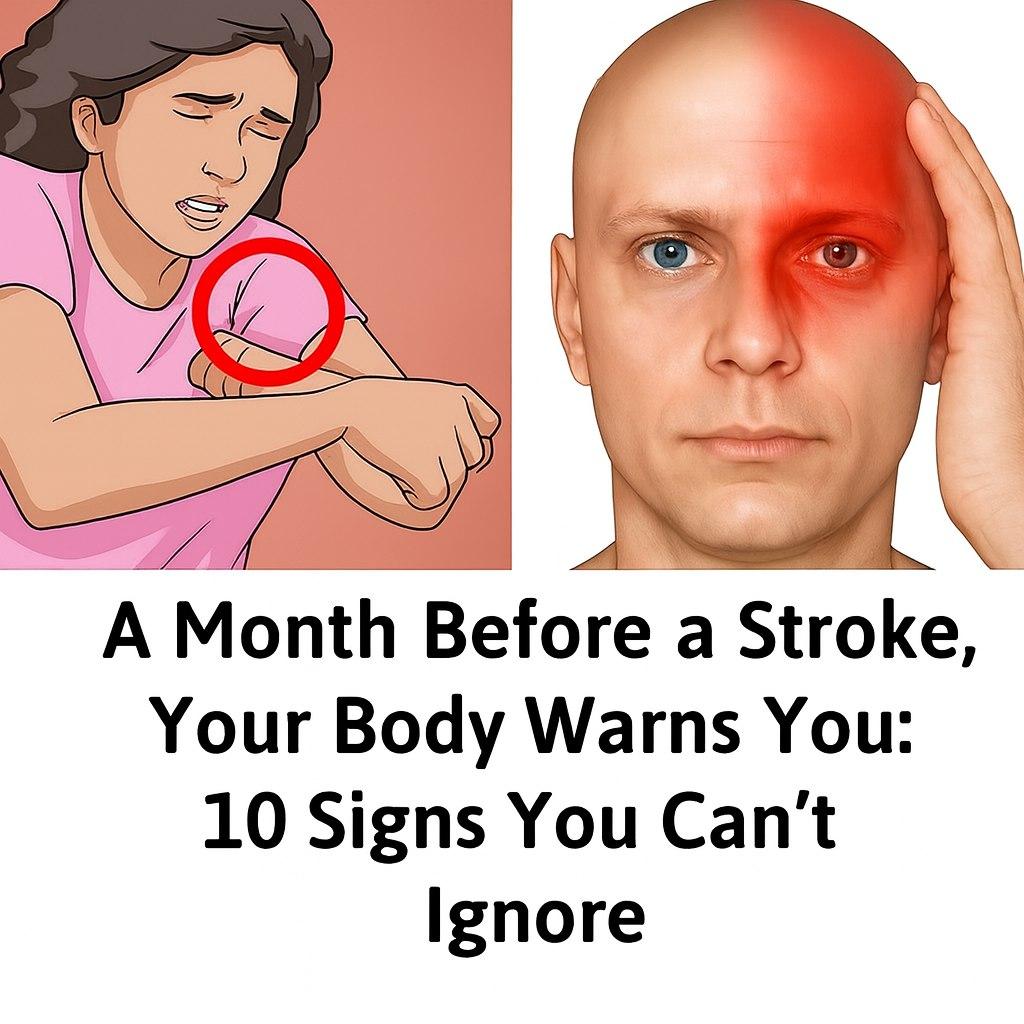
A stroke rarely comes completely out of nowhere. In many cases, the body begins to send subtle—and sometimes not-so-subtle—warning signals weeks before a major event occurs. Recognizing these early signs can be lifesaving. While not every symptom guarantees a stroke is imminent, ignoring them can be dangerous. Understanding what to watch for empowers you to seek medical help early, reduce risk, and possibly prevent a devastating outcome.
Below are 10 warning signs that may appear up to a month before a stroke—signals your body should never ignore.
1. Sudden Weakness or Numbness on One Side of the Body
One of the most classic stroke warning signs is weakness or numbness affecting the face, arm, or leg—especially on one side. You may notice your grip feels weaker, your leg drags slightly, or one side of your face feels “asleep.” Even if the sensation comes and goes, it can indicate a transient ischemic attack (TIA), often called a “mini-stroke,” which is a major red flag.
2. Frequent or Unusual Headaches
Persistent headaches that feel different from your usual pattern—especially if they are sudden, severe, or accompanied by dizziness or nausea—should raise concern. These headaches may be linked to changes in blood flow to the brain. People who rarely experience headaches should be especially cautious if they suddenly begin having them regularly.
3. Vision Problems
Blurred vision, double vision, or sudden vision loss in one or both eyes can appear weeks before a stroke. Some people describe it as a curtain coming down over their vision or difficulty focusing. These visual disturbances are often brief, which makes them easy to dismiss—but they are a serious warning sign.
4. Trouble Speaking or Understanding Words
If you find yourself slurring words, struggling to find the right words, or having difficulty understanding conversations, don’t brush it off as stress or fatigue. Even short episodes of confusion or speech difficulty can signal reduced blood flow to areas of the brain responsible for language.
5. Dizziness or Loss of Balance
Sudden dizziness, loss of coordination, or trouble walking can be an early indicator of stroke risk. You may feel unsteady, as if the room is spinning, or have difficulty maintaining balance. These symptoms are particularly concerning when they occur without an obvious cause.
6. Unexplained Fatigue
Extreme or unusual fatigue—especially when it appears suddenly and doesn’t improve with rest—can be a subtle stroke warning. Some people report feeling drained, weak, or mentally exhausted weeks before a stroke. While fatigue is common in many conditions, unexplained and persistent fatigue deserves attention.
7. Nausea or Vomiting Without Clear Cause
Feeling nauseous or vomiting without a stomach-related reason may be linked to changes in the brain or blood pressure. When combined with dizziness, headache, or visual problems, nausea can be part of a neurological warning pattern rather than a digestive issue.
8. Chest Pain or Shortness of Breath
Although more commonly associated with heart attacks, chest discomfort and shortness of breath can also be connected to stroke risk, especially when caused by heart rhythm problems or blood clots. These symptoms may indicate circulation issues that increase the likelihood of a stroke.
9. Sudden Mood Changes or Confusion
Unexpected mood swings, irritability, anxiety, or confusion may be overlooked as emotional stress. However, changes in brain blood flow can affect behavior and cognition. If you or those around you notice sudden personality or mental changes, it’s important to take them seriously.
10. High Blood Pressure Spikes
Many people with dangerously high blood pressure feel no symptoms at all—but sudden spikes can cause headaches, nosebleeds, chest discomfort, or anxiety. High blood pressure is the leading risk factor for stroke, and uncontrolled readings weeks before can set the stage for a serious event.
Why These Signs Matter
In many cases, these symptoms are caused by transient ischemic attacks (TIAs)—temporary blockages that resolve on their own but signal a high risk of a future stroke. A full stroke often follows days or weeks later if no action is taken. The good news is that early medical intervention can dramatically reduce that risk.
What You Should Do Immediately
If you experience any of these signs—even if they disappear—seek medical attention right away. Do not wait for them to happen again. A doctor can evaluate your risk, perform imaging and blood tests, and recommend treatments such as blood pressure control, blood thinners, or lifestyle changes.
Final Thoughts
Your body often whispers before it screams. A stroke is a medical emergency, but it is also frequently preventable when warning signs are recognized early. Listening to your body, acting quickly, and taking symptoms seriously can save your life—or the life of someone you love.
