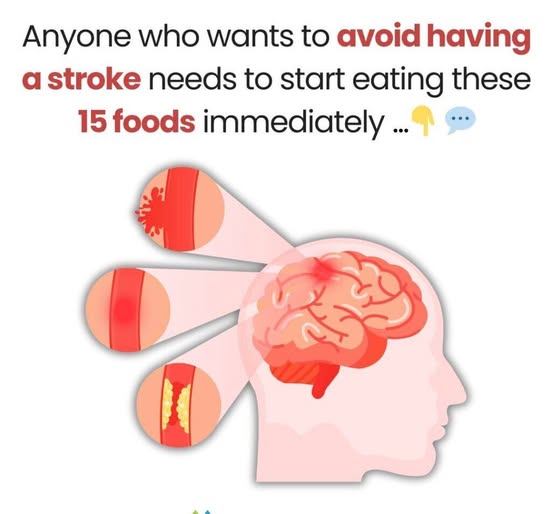
Anyone Who Wants to Avoid Having a Stroke Needs to Start Eating These 15 Foods Immediately
Stroke remains one of the leading causes of death and long-term disability worldwide. While genetics and age play a role, lifestyle choices—especially what we eat—have a powerful impact on stroke risk. A diet rich in anti-inflammatory, heart-protective foods can help regulate blood pressure, improve circulation, reduce cholesterol, and protect blood vessels from damage.
If you want to take control of your health, these 15 foods deserve a permanent place on your plate.
1. Leafy Green Vegetables
Spinach, kale, Swiss chard, and arugula are packed with vitamin K, folate, and antioxidants. These nutrients help prevent blood clot formation and support healthy blood vessels. Studies consistently link leafy greens with a lower risk of stroke.
2. Fatty Fish
Salmon, sardines, mackerel, and trout are rich in omega-3 fatty acids. Omega-3s reduce inflammation, lower triglycerides, and prevent plaque buildup in arteries—all crucial for stroke prevention. Aim for at least two servings per week.
3. Berries
Blueberries, strawberries, raspberries, and blackberries contain powerful flavonoids that improve blood flow and reduce oxidative stress. Regular berry consumption has been associated with lower blood pressure and improved brain health.
4. Whole Grains
Oats, brown rice, quinoa, and whole-grain bread help stabilize blood sugar and reduce LDL (bad) cholesterol. High fiber intake supports heart health and reduces the risk of ischemic stroke.
5. Nuts
Almonds, walnuts, pistachios, and cashews provide healthy fats, magnesium, and antioxidants. Walnuts, in particular, contain omega-3s that protect arteries and reduce inflammation.
6. Olive Oil
Extra virgin olive oil is a cornerstone of the Mediterranean diet, which is linked to significantly lower stroke risk. Its polyphenols help reduce inflammation and protect blood vessels from damage.
7. Avocados
Avocados are rich in potassium, which helps regulate blood pressure—a major stroke risk factor. They also contain healthy monounsaturated fats that improve cholesterol levels.
8. Beans and Legumes
Lentils, chickpeas, black beans, and kidney beans are high in fiber and plant protein. They help lower blood pressure, improve cholesterol, and support stable blood sugar levels.
9. Garlic
Garlic has natural blood-thinning properties and helps reduce blood pressure and cholesterol. Regular consumption supports circulation and arterial health.
10. Tomatoes
Tomatoes are rich in lycopene, a powerful antioxidant linked to reduced risk of cardiovascular events. Lycopene helps prevent artery hardening and improves blood vessel flexibility.
11. Citrus Fruits
Oranges, lemons, grapefruits, and limes provide vitamin C and flavonoids that strengthen blood vessels and reduce inflammation. Citrus fruits also help improve endothelial function.
12. Seeds
Flaxseeds, chia seeds, and pumpkin seeds are loaded with fiber, omega-3s, and magnesium. These nutrients help reduce clot formation and support healthy blood pressure levels.
13. Dark Chocolate (in Moderation)
Dark chocolate with at least 70% cocoa contains flavanols that improve blood flow and reduce inflammation. Small amounts can support heart and brain health—but moderation is key.
14. Yogurt and Fermented Foods
Yogurt, kefir, sauerkraut, and kimchi support gut health, which is increasingly linked to cardiovascular health. Probiotics may help reduce blood pressure and inflammation.
15. Green Tea
Green tea contains catechins that protect blood vessels, reduce inflammation, and improve cholesterol levels. Drinking one to three cups daily may help lower stroke risk.
Why Diet Matters More Than You Think
Stroke often develops silently over years through high blood pressure, clogged arteries, inflammation, and insulin resistance. These foods work together to address all of these risk factors naturally. While no single food can prevent a stroke on its own, a consistent pattern of healthy eating can dramatically reduce risk.
A Final Thought
Preventing a stroke doesn’t require extreme dieting or expensive supplements. Small, consistent choices—like replacing processed foods with whole, nutrient-dense options—can make a life-changing difference. Combined with regular physical activity, adequate sleep, and medical guidance, your diet can become one of your strongest defenses against stroke.
