Pfizer finally publishes the list of side effects of its vaccines

🧪 Pfizer and the “Side Effects List”: What’s Real — and What’s Misinformation?

In recent months, social media posts have surged claiming that Pfizer “finally” released a list of side effects for its COVID-19 vaccine — and that the list contains a laundry list of serious, even fatal conditions allegedly linked to the shots. But here’s the important truth: Pfizer has not published a new, definitive list of vaccine side effects in 2025, and the viral lists circulating online are either misinterpretations or misleading compilations of unrelated data.

🔍 The Claim: A “New” List of Side Effects

In early 2025, posts went viral on platforms like X (formerly Twitter) and Facebook suggesting that Pfizer had released an official list of side effects associated with its COVID-19 vaccine, including conditions like heart failure, stillbirth, and neurological diseases. These posts presented lists of dozens or even hundreds of conditions and implied they are confirmed vaccine side effects.

But independent news fact-checks and investigations found no evidence that Pfizer issued such a list in 2025. The posts either:

Recycled an older document Pfizer submitted to the U.S. Food and Drug Administration (FDA) in 2021, or

Confused adverse event reports with scientifically confirmed side effects.

🧬 Adverse Events vs. Side Effects — Critical Distinction

This is where nuance matters. In pharmaceutical and regulatory language:

Adverse events are any health problems that occur after vaccination — regardless of cause. These are reported to systems like VAERS (Vaccine Adverse Event Reporting System), where anyone can submit a report.

Side effects are health issues that clinical evidence shows were caused by the vaccine.

The 2021 document often cited online lists adverse events reported early in the rollout — not a list of conditions scientifically proven to be caused by the vaccine. Regulatory agencies explicitly say that an event being reported after vaccination does not prove it was caused by the vaccine.

So, lumping everything from common things like “fever” to rare conditions like seizures into a single “side effects” list is misleading and inaccurate.

📄 What the Official Side Effect Information Says

The most accurate, up-to-date side effect information comes not from social media posts but from Pfizer’s own patient information and regulatory fact sheets. These lists are routinely published and updated in countries around the world.

According to Pfizer’s own medical information for the Comirnaty® COVID-19 vaccine:

Reported side effects can include:

👍 Common and Mild Reactions

Pain, redness, or swelling at the injection site

Tiredness or fatigue

Headache

Muscle or joint pain

Fever or chills

Nausea, diarrhea

Swollen lymph nodes

Feeling generally unwell

These responses are typical of many vaccines and usually resolve within a few days as the immune system responds.

⚠️ Less Common or Rarely Reported Events

Allergic reactions — mild to severe (including anaphylaxis)

Myocarditis and pericarditis — inflammation of heart tissue, typically very rare and more often reported in adolescent males and young adults

Fainting immediately after injection

Febrile seizures in young children (rare)

Regulatory agencies also caution that other serious side effects — while extremely rare — may occur, and healthcare providers encourage reporting any unusual post-vaccination symptoms.

📊 What the Science and Regulators Say

Major regulatory and health authorities, including the U.S. FDA, the European Medicines Agency (EMA), and the World Health Organization (WHO), continue to monitor vaccine safety closely. Across billions of doses administered globally:

Most side effects remain mild and transient, such as soreness and tiredness.

Serious side effects are very rare and carefully investigated.

The overall benefits of vaccination (preventing severe disease, hospitalization, and death) consistently outweigh the risks.

In fact, global data estimate that COVID-19 vaccines have prevented millions of deaths worldwide.

🧠 Why This Matters

The spread of unverified “side effect lists” does real harm:

It fuels fear and hesitancy, even among people with legitimate questions.

It blurs the line between raw reports and established medical evidence.

It undermines public trust in health systems working to keep people safe.

But the scientific process is transparent: regulated vaccines undergo rigorous testing before approval, and ongoing safety monitoring is part of how public health agencies ensure those vaccines remain safe. Updates to side effect profiles are published as new data become available — not leaked as sensational social media posts.

🧾 Bottom Line

📌 Pfizer has not released a newly published list of COVID vaccine side effects in 2025.
📌 Long lists circulating online are based on misinterpreted older documents or adverse event reports, not proven causal side effects.
📌 Actual side effect information is publicly accessible on Pfizer’s official documents and regulatory fact sheets.

Vaccines like Pfizer-BioNTech’s COVID-19 shot are continuously monitored for safety, and serious side effects are extremely rare. If you have concerns about vaccine risks or how side effects are tracked, trusted sources like official health agencies and qualified medical professionals are the best places to start.
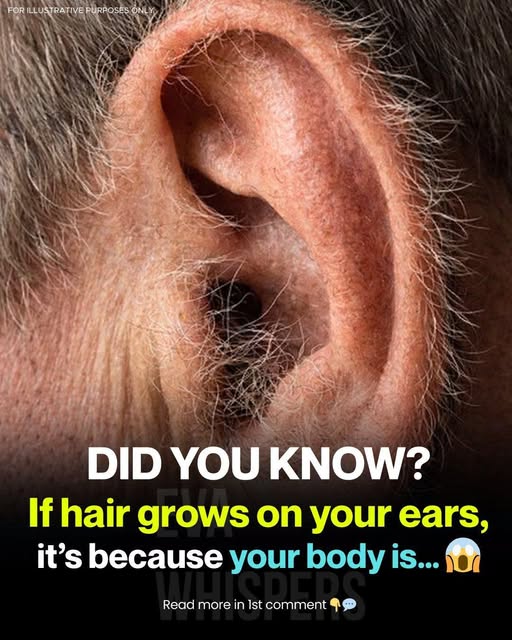

If Hair Grows on Your Ears It’s Because Your Body Is Trying to Tell You Something

Have you ever looked in the mirror and noticed hair growing on your ears and thought, “When did that happen?” You’re not alone. Ear hair is one of those changes that seems to appear quietly with age, often catching people by surprise. While it’s easy to laugh it off or blame genetics, ear hair growth can actually reflect a mix of biological processes happening inside your body. It’s rarely dangerous—but it is interesting, and sometimes informative.
Let’s unpack what ear hair growth really means and what your body might be signaling.

1. Hormones Are Shifting (Especially Testosterone)
One of the biggest reasons ear hair grows is hormonal change, particularly involving testosterone. As men age, testosterone levels don’t just decline—they also fluctuate. Hair follicles in certain areas, including the ears, nose, and eyebrows, can become more sensitive to this hormone over time.
This sensitivity causes thicker, darker, and longer hair growth in places that were previously barely noticeable. That’s why ear hair is far more common in middle-aged and older men than in younger people or women.
In short:
If hair grows on your ears, it’s because your body is responding differently to hormones than it did years ago.

2. Aging Changes How Hair Follicles Behave
Aging doesn’t just give you wrinkles—it changes how your hair follicles function. Some follicles shrink and stop producing hair (hello, thinning scalp), while others become overactive.
Ear hair follicles tend to fall into the second category. With age:

The hair growth cycle slows

Hair becomes coarser and longer

Trimming feels like a never-ending task

This is a normal biological process, not a sign that something is “wrong.” It’s simply part of how the body reallocates resources as it gets older.

3. Genetics Play a Bigger Role Than You Think
If your father, grandfather, or uncles had noticeable ear hair, chances are you might too. Genetics strongly influence:

Where hair grows

How thick it becomes

How early it appears

Certain populations and ethnic backgrounds are more prone to ear hair growth due to inherited traits affecting hair follicles and hormone sensitivity.
So sometimes, if hair grows on your ears, it’s because your body is following a genetic blueprint written long before you were born.

4. Your Body Hair Pattern Is Rebalancing
Hair growth isn’t random—it’s regulated by complex signals between hormones, skin, and hair follicles. As you age, your body redistributes hair growth. That’s why many people experience:

Thinner hair on the head

More hair on ears, nose, eyebrows, chest, or back

This rebalancing doesn’t mean your body is malfunctioning. It’s adapting to internal changes, especially shifts in circulation, hormones, and cellular renewal.

5. It Can Be Linked to Overall Hair Follicle Sensitivity
Some people simply have hair follicles that react strongly to internal signals. These follicles are more likely to:

Produce thicker hair

Grow hair faster

Extend the hair’s growth phase

Ear hair growth can be a visible sign of that sensitivity. While it’s mostly cosmetic, it shows how responsive your skin is to hormonal and biological cues.

6. Is Ear Hair a Sign of a Health Problem?
In most cases, no. Ear hair by itself is not a disease or a warning sign of serious illness. However, extremely rapid or unusual hair growth combined with other symptoms—such as sudden hormonal changes, fatigue, or unexplained weight shifts—may warrant a medical check-up.
But for the vast majority of people, ear hair growth is:

Normal

Harmless

Age-related

It’s more about biology than pathology.

7. Why It Seems to Grow Overnight
One of the most frustrating things about ear hair is how suddenly it seems to appear. This happens because ear hair is often:

Light-colored at first

Hidden by the ear’s shape

Slow-growing until it reaches a noticeable length

Once it crosses that visibility threshold, it feels like it popped up overnight—even though it’s been growing quietly for weeks.

8. Grooming Is a Choice, Not a Necessity
There’s no medical reason to remove ear hair unless it causes discomfort or hygiene issues. Many people choose to trim or remove it for personal or cultural reasons, and that’s perfectly fine.
Safe options include:

Electric trimmers designed for ears

Professional grooming

Careful trimming (never deep plucking, which can irritate skin)

What matters most is doing it safely and comfortably.

The Bottom Line
If hair grows on your ears, it’s because your body is responding to age, hormones, genetics, and natural biological changes. It’s a common, normal part of life—especially for men—and not something to be embarrassed about.
Think of ear hair as a quiet reminder that your body is always evolving. It may not be the most glamorous change, but it’s a very human one. And like laugh lines or gray hair, it tells a story of time, biology, and individuality—one strand at a time.

Top 5 Spices That Flush Toxins FAST & Support Kidney Health Naturally

Your kidneys work nonstop to filter toxins, balance fluids, and keep your body healthy. Every day, they process about 50 gallons of blood, removing waste through urine. With today’s lifestyle—processed foods, excess salt, sugar, medications, and dehydration—your kidneys can become overworked.

The good news? Nature offers powerful spices that may help support kidney function, reduce inflammation, and promote natural detoxification. While spices are not a cure for kidney disease, adding the right ones to your diet can gently support your kidneys and overall health.

Let’s explore the top 5 spices that help flush toxins naturally and support healthy kidneys.

1. Turmeric – The Golden Detox Spice

Popular search keywords: turmeric for kidneys, turmeric detox, flush toxins naturally

Turmeric is one of the most powerful natural anti-inflammatory spices in the world. Its active compound, curcumin, helps reduce inflammation and oxidative stress—two major contributors to kidney strain.

How turmeric supports kidney health:

  • Helps reduce inflammation in kidney tissues

  • Supports natural detox pathways in the liver and kidneys

  • May help prevent toxin buildup

  • Supports healthy blood circulation

Turmeric also has antibacterial and antioxidant properties, which can support the body’s natural cleansing process.

How to use:
Add turmeric to soups, lentils, rice, vegetables, or warm milk. For better absorption, combine it with black pepper.

⚠️ Tip: If you have kidney stones or gallbladder issues, use turmeric in moderation.

2. Ginger – Nature’s Cleansing Root

Popular search keywords: ginger kidney cleanse, ginger detox, natural kidney cleanse

Ginger is well known for improving digestion, but it also plays a role in supporting kidney health. It helps the body eliminate waste more efficiently by improving circulation and reducing inflammation.

Benefits of ginger for kidneys:

  • Helps flush toxins through urine

  • Reduces oxidative stress on kidney cells

  • Supports healthy blood sugar levels

  • May reduce nausea linked to toxin buildup

Ginger also supports the immune system, which indirectly helps protect the kidneys from infections.

How to use:
Drink ginger tea, add fresh ginger to smoothies, or use it in cooking. A small daily amount is enough.

3. Coriander Seeds – Natural Kidney Cleanser

Popular search keywords: coriander for kidneys, kidney detox spice, flush kidneys naturally

Coriander seeds have been used in traditional medicine for centuries as a natural diuretic. They help increase urine output, which supports the kidneys in flushing out excess salt, waste, and toxins.

Why coriander is good for kidney detox:

  • Encourages toxin elimination

  • Supports fluid balance

  • May help reduce water retention

  • Supports healthy urinary function

Coriander also helps regulate blood sugar, which is important because high blood sugar can damage kidneys over time.

How to use:
Soak 1–2 teaspoons of coriander seeds in water overnight. Boil, strain, and drink the water in the morning.

4. Cumin – The Digestive Detox Booster

Popular search keywords: cumin kidney health, cumin detox benefits, natural toxin removal

Cumin supports kidney health by improving digestion and reducing toxin buildup in the body. When digestion is weak, toxins can circulate longer in the bloodstream, increasing the burden on kidneys.

Cumin’s kidney-supporting benefits:

  • Aids digestion and nutrient absorption

  • Helps reduce bloating and toxin accumulation

  • Supports liver and kidney detox pathways

  • Rich in antioxidants

Cumin also helps control cholesterol and blood sugar—two factors that directly impact kidney function.

How to use:
Add cumin to curries, vegetables, soups, or drink cumin water by boiling 1 teaspoon of seeds in water.

5. Black Pepper – The Detox Enhancer

Popular search keywords: black pepper detox, improve kidney function naturally, spice detox benefits

Black pepper is more than just a seasoning. It contains piperine, which enhances the absorption of nutrients and supports detoxification.

How black pepper helps the kidneys:

  • Improves circulation and toxin elimination

  • Enhances the effects of other spices like turmeric

  • Supports digestion and metabolism

  • Helps reduce oxidative stress

By improving nutrient absorption, black pepper helps reduce waste accumulation in the body.

How to use:
Sprinkle freshly ground black pepper on meals or pair it with turmeric for maximum benefits.

How to Use Spices Safely for Kidney Health

While these spices support natural detoxification, balance is key.

✔ Use spices in moderate amounts
✔ Drink plenty of water to support kidney filtration
✔ Avoid excess salt and processed foods
✔ Consult a doctor if you have kidney disease or are on medication

Final Thoughts

Your kidneys are powerful detox organs, and the right spices can gently support their function while helping your body flush toxins naturally. Turmeric, ginger, coriander, cumin, and black pepper are easy to add to daily meals and offer long-term health benefits when used consistently.

Remember: Spices support kidney health—but they do not replace medical treatment. A healthy diet, hydration, and lifestyle are just as important.

✨ Small daily choices can make a big difference in protecting your kidneys naturally.

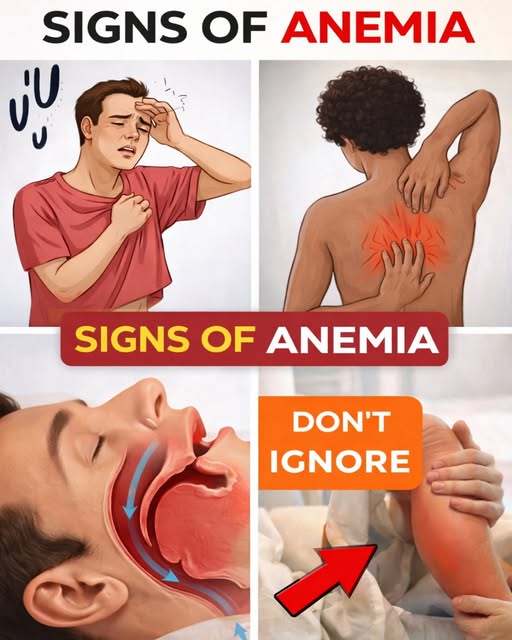
12 Silent Symptoms of Anemia You Shouldn’t Ignore

Anemia is one of the most common blood disorders worldwide, yet millions of people live with it without realizing it. Often called a “silent condition,” anemia can develop slowly, with symptoms so mild that they’re easy to dismiss as stress, aging, or lack of sleep. But ignoring the early warning signs can lead to serious health complications over time.

In this blog, we’ll explore 12 silent symptoms of anemia you should never ignore, why they happen, and when to seek medical help.


What Is Anemia?

Anemia occurs when your body doesn’t have enough healthy red blood cells or hemoglobin to carry adequate oxygen to your tissues. The most common type is iron deficiency anemia, but other types include vitamin B12 deficiency anemia, folate deficiency anemia, and anemia of chronic disease.

Common Google search terms:

  • anemia symptoms

  • signs of anemia

  • iron deficiency symptoms

  • low hemoglobin symptoms


1. Constant Fatigue and Weakness

Feeling tired all the time is one of the most common symptoms of anemia. When your blood can’t deliver enough oxygen, your muscles and organs work harder, leaving you exhausted even after rest.

Keyword tip: chronic fatigue, anemia tiredness


2. Pale or Yellowish Skin

Low hemoglobin reduces the natural pink or red tone in your skin. You may notice paleness in your face, inner eyelids, gums, or nails. In some cases, skin may look slightly yellow.


3. Shortness of Breath

If you feel out of breath during simple activities like walking or climbing stairs, anemia could be the cause. Your body is trying to compensate for low oxygen levels by breathing faster.


4. Frequent Headaches or Dizziness

Anemia reduces oxygen supply to the brain, which can trigger headaches, lightheadedness, or dizziness, especially when standing up quickly.

Search-friendly phrase: dizziness and anemia


5. Cold Hands and Feet

Poor oxygen circulation can make your hands and feet feel cold, even in warm environments. This symptom is often overlooked but can be an early sign of iron deficiency.


6. Brittle Nails and Hair Loss

Anemia affects tissues that grow quickly, like hair and nails. Brittle nails, ridges, spoon-shaped nails, or unexplained hair thinning can point to low iron levels.


7. Rapid or Irregular Heartbeat

When oxygen is low, your heart pumps faster to compensate. Over time, this can cause heart palpitations, irregular heartbeat, or chest discomfort.

⚠️ This symptom should never be ignored.


8. Poor Concentration and Brain Fog

If you’re experiencing memory issues, trouble focusing, or mental fog, anemia may be depriving your brain of oxygen. This is especially common in students and working adults.


9. Craving Non-Food Items (Pica)

An unusual but important symptom of iron deficiency anemia is pica—cravings for ice, clay, chalk, or dirt. This is your body’s strange way of signaling a nutrient deficiency.


10. Frequent Infections

Anemia can weaken your immune system, making you more prone to infections and slower to recover from illnesses like colds and flu.


11. Chest Pain (In Severe Cases)

In advanced anemia, the heart struggles to deliver oxygen, leading to chest pain or pressure. This is more common in older adults or those with heart conditions.

🚨 Seek immediate medical care if this occurs.


12. Restless Legs Syndrome

Iron deficiency is strongly linked to restless legs syndrome, a condition causing uncomfortable sensations and an urge to move the legs, especially at night.


Who Is Most at Risk of Anemia?

People at higher risk include:

  • Women (especially during pregnancy or heavy periods)

  • Children and teenagers

  • Older adults

  • Vegetarians and vegans

  • People with chronic diseases

Popular searches: anemia in women, anemia during pregnancy


When Should You See a Doctor?

If you experience multiple symptoms of anemia, don’t self-diagnose. A simple blood test can check:

  • Hemoglobin levels

  • Iron levels

  • Vitamin B12 and folate

Early diagnosis can prevent complications like heart problems, pregnancy issues, and developmental delays.


Final Thoughts

Anemia doesn’t always announce itself loudly. Its symptoms often whisper—through fatigue, paleness, or brain fog—until the condition becomes severe. Listening to your body and recognizing these 12 silent symptoms of anemia can make all the difference.

If you suspect anemia, consult a healthcare professional and take steps toward better nutrition and treatment. Your energy, focus, and overall health depend on it.

Warning The List of COVID-19 Vaccine Side Effects Is Growing What You Really Need to Know

Since the rollout of COVID-19 vaccines, millions of people around the world have been vaccinated to protect themselves and their communities. Along the way, many have searched online for answers about COVID-19 vaccine side effects, asking questions like “Are COVID vaccines safe?”, “What are the long-term effects of the COVID-19 vaccine?”, and “Which COVID vaccine has the most side effects?”

Let’s cut through the noise and look at the facts—clearly, calmly, and based on medical evidence.

Understanding COVID-19 Vaccine Side Effects

A side effect is a normal response showing that your body is building protection. Most COVID-19 vaccine side effects are mild to moderate, temporary, and resolve within a few days. Health authorities such as the World Health Organization (WHO) and Centers for Disease Control and Prevention (CDC) continue to monitor vaccine safety through large-scale surveillance systems.

Most Common COVID-19 Vaccine Side Effects

These are the most searched and commonly reported COVID-19 vaccine symptoms:

  • Pain, redness, or swelling at the injection site

  • Fatigue and weakness

  • Headache

  • Muscle pain or joint pain

  • Fever or chills

  • Nausea

These symptoms usually appear within 24–72 hours after vaccination and are more noticeable after the second dose or booster.

SEO keywords naturally used:
COVID-19 vaccine side effects, vaccine symptoms, COVID vaccine reaction, is COVID vaccine safe

Less Common but Reported Side Effects

As vaccination numbers increased, doctors documented less common side effects, which remain rare but are often discussed online:

  • Swollen lymph nodes

  • Dizziness or lightheadedness

  • Temporary changes in menstrual cycles

  • Skin rashes or itching

  • Sleep disturbances

Medical experts emphasize that these effects are usually short-term and not dangerous.

Rare COVID-19 Vaccine Side Effects (Important but Uncommon)

Some rare conditions have been linked to specific vaccines. These cases are extremely uncommon, often occurring in a few people per million doses:

  • Myocarditis or pericarditis (mostly in young males after mRNA vaccines)

  • Blood clotting disorders linked to earlier adenovirus-based vaccines

  • Severe allergic reactions (anaphylaxis)

Health agencies quickly updated vaccine guidelines once these risks were identified, showing that vaccine safety monitoring works.

Key search terms included:
COVID vaccine long-term side effects, myocarditis COVID vaccine, blood clots vaccine

Are Long-Term COVID-19 Vaccine Side Effects Real?

One of the top Google searches is: “Long-term side effects of COVID-19 vaccine.”

So far, no credible scientific evidence shows widespread long-term harm from COVID-19 vaccines. Historically, vaccine side effects appear within the first two months, not years later. COVID vaccines have now been administered for several years, with continuous real-world safety data.

Why Side Effect Lists Seem to Be “Growing”

The list appears to grow because:

  1. More people are vaccinated, increasing reporting

  2. Better surveillance systems detect even rare symptoms

  3. Social media amplifies personal experiences

  4. Ongoing research updates medical guidance

This doesn’t mean vaccines are becoming more dangerous—it means monitoring is thorough and transparent.

COVID-19 Vaccine vs. COVID-19 Infection Risks

When comparing risks, doctors stress this key point:

The risk of severe illness, long COVID, hospitalization, and death from COVID-19 infection is far greater than the risk of serious vaccine side effects.

COVID-19 itself can cause:

  • Heart inflammation

  • Blood clots

  • Lung damage

  • Brain fog and chronic fatigue

Vaccination significantly reduces these risks.

When to See a Doctor After COVID-19 Vaccination

Seek medical attention if you experience:

  • Chest pain or shortness of breath

  • Persistent high fever

  • Severe allergic reactions

  • Symptoms lasting more than a few days

Early evaluation ensures safety and peace of mind.

Final Thoughts: Stay Informed, Not Afraid

It’s normal to be concerned about your health and search for information. While COVID-19 vaccine side effects are real, the vast majority are mild, temporary, and far less dangerous than COVID-19 itself.

Trust reliable sources, talk to your healthcare provider, and avoid fear-based headlines that lack scientific backing.

Bottom line:
COVID-19 vaccines remain one of the most closely monitored and effective public health tools in modern history.

Take 2 Tablespoons Every Morning and Say Goodbye

Take 2 Tablespoons Every Morning and Say Goodbye to Bone Pain, Anxiety, Depression, and Insomnia? The Truth Behind the Viral Claim

Across social media and wellness blogs, a bold claim keeps resurfacing: “Take 2 tablespoons every morning and say goodbye to bone pain, anxiety, depression, and insomnia.” The promise sounds almost magical—no pills, no doctors, just a simple daily spoonful that supposedly fixes everything from aching joints to sleepless nights.

But is there any truth behind this statement? Or is it another health myth wrapped in hope and hype? Let’s break it down carefully, honestly, and safely.

Where Did This Claim Come From?

This phrase is often linked to natural ingredients such as:

  • Olive oil

  • Black seed oil

  • Honey

  • Apple cider vinegar

  • Turmeric mixtures

Each of these has traditional uses and some scientifically supported benefits, but problems arise when individual benefits are exaggerated into guaranteed cures.

No single ingredient—natural or pharmaceutical—can instantly eliminate bone pain, anxiety, depression, and insomnia for everyone.

What Bone Pain Really Means

Bone and joint pain can come from many causes:

  • Vitamin D deficiency

  • Arthritis

  • Inflammation

  • Overuse or injury

  • Aging

  • Osteoporosis

Some natural oils and anti-inflammatory foods may support joint health by reducing inflammation, but they do not repair bones or replace medical treatment.

What 2 tablespoons may help with:

  • Supporting lubrication of joints

  • Reducing mild inflammation

  • Improving nutrient absorption

What it cannot do:

  • Cure arthritis

  • Reverse osteoporosis

  • Heal fractures

Anxiety and Depression: More Than a Spoonful Problem

Anxiety and depression are complex mental health conditions involving:

  • Brain chemistry

  • Stress hormones

  • Trauma

  • Sleep patterns

  • Nutrition

Certain natural ingredients may support the nervous system, especially those rich in:

  • Omega-3 fatty acids

  • Antioxidants

  • Anti-inflammatory compounds

Possible gentle benefits:

  • Supporting brain health

  • Reducing oxidative stress

  • Helping stabilize mood when combined with healthy habits

Important truth:

Natural remedies do not replace therapy, counseling, or medication when needed.

Insomnia: Why People Believe the Claim

Many people report sleeping better after adding a natural oil or honey-based mixture to their routine. Why?

Because:

  • Healthy fats support melatonin production

  • Reduced inflammation can improve comfort

  • Better blood sugar balance can prevent nighttime awakenings

Helpful effects may include:

  • Improved relaxation

  • More stable energy levels

  • Better sleep quality over time

But insomnia can also be caused by:

  • Stress

  • Screen use

  • Caffeine

  • Hormonal imbalances

  • Anxiety disorders

A spoonful alone cannot fix all of these.

Why the “2 Tablespoons” Idea Persists

The claim survives because:

  • Some people genuinely feel better

  • Placebo effect is powerful

  • Improved nutrition leads to gradual improvement

  • Consistency creates positive habits

When people replace processed foods with natural fats and reduce sugar, their overall health improves, and they credit the spoonful.

What Science Actually Supports

Research shows that certain natural ingredients may:

  • Reduce low-grade inflammation

  • Support heart and brain health

  • Improve gut health

  • Aid nutrient absorption

These benefits can indirectly support:

  • Joint comfort

  • Mood balance

  • Sleep quality

But science does not support miracle cures.

Safe Way to Use Natural Supplements

If you choose to use a natural oil or mixture:

  • Limit to 1–2 tablespoons per day

  • Take it with food

  • Stay consistent, not excessive

  • Combine with a healthy diet

  • Drink enough water

  • Get sunlight and physical activity

⚠️ Avoid if you have:

  • Gallbladder problems

  • Blood-thinning medication

  • Allergies

  • Chronic medical conditions without doctor approval

What Actually Helps Bone Pain, Anxiety, Depression, and Insomnia

The most effective approach is combined care:

For bones:

  • Vitamin D

  • Calcium

  • Weight-bearing exercise

For mental health:

  • Stress management

  • Sleep routines

  • Therapy or counseling

  • Balanced nutrition

For sleep:

  • Fixed bedtime

  • Less screen time

  • Magnesium-rich foods

  • Calm nighttime rituals

Final Verdict

The statement “Take 2 tablespoons in the morning and say goodbye to bone pain, anxiety, depression, and insomnia” is misleading.

While certain natural ingredients can support overall wellness, they are not cures.

Used wisely, they can be:

  • A helpful addition

  • A supportive habit

  • Part of a healthier lifestyle

But real healing comes from knowledge, balance, and proper care, not miracle promises.

If you have visible veins it means you are

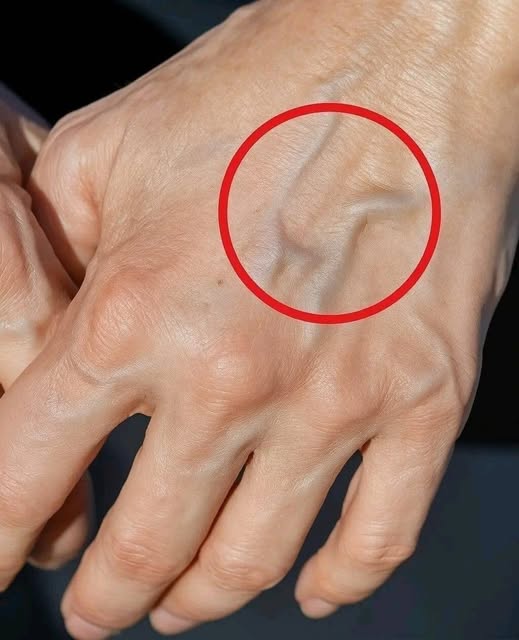
If You Have Visible Veins, It Means You Are… Here’s the Truth Behind What Your Veins Are Telling You

Noticing visible veins on your hands, arms, legs, or even your chest can be surprising—and sometimes worrying. Social media and viral posts often claim that visible veins mean you are unhealthy, aging rapidly, or suffering from a hidden disease. On the flip side, others say visible veins are a sign of strength, fitness, or good circulation. So which is true?

The reality is more balanced and far less alarming. Visible veins can mean many different things depending on your body type, lifestyle, and overall health. Let’s separate myths from facts and explain what visible veins really say about you.

1. You May Have Low Body Fat

One of the most common reasons veins become visible is low subcutaneous fat—the fat that sits just under your skin. Fat acts like insulation, covering veins and making them less noticeable. When body fat levels are lower, veins are closer to the surface and easier to see.

This is why athletes, runners, gym-goers, and physically active people often have prominent veins. In these cases, visible veins are not a problem at all. They simply reflect body composition.

What it means:
✔ Normal
✔ Often linked to fitness
✔ Not dangerous on its own

2. Your Skin May Be Thin or Aging

As we age, our skin naturally becomes thinner and loses collagen and elasticity. This makes veins more noticeable, especially on the hands, arms, and feet. Sun exposure can speed up this process by breaking down collagen in the skin.

Older adults often notice visible veins even without weight loss or major health changes.

What it means:
✔ A normal part of aging
✔ Not usually a medical concern
✔ Sun protection and skincare can help

3. You Could Have Good Blood Circulation

Contrary to popular belief, visible veins are not a sign of poor circulation. In many cases, they indicate that blood is flowing efficiently back to the heart. During exercise or warm weather, veins expand to help regulate body temperature, making them stand out more.

This is why veins often appear more prominent after physical activity or on hot days.

What it means:
✔ Often a sign of healthy circulation
✔ Temporary and normal
✔ More noticeable during heat or exercise

4. Genetics Play a Big Role

Some people are simply born with veins that are closer to the skin’s surface. If your parents or grandparents had visible veins, chances are you will too—regardless of your weight or health habits.

Genetics determine skin thickness, vein size, and how fat is distributed in your body.

What it means:
✔ Inherited trait
✔ Completely normal
✔ Nothing to “fix”

5. Dehydration Can Make Veins Look More Prominent

When you’re dehydrated, your blood volume decreases slightly, which can cause veins to appear more defined. This effect is usually temporary and resolves once you drink enough fluids.

What it means:
✔ Mild dehydration
✔ Easily corrected
✔ Drink more water

6. Hormonal Changes Can Affect Vein Visibility

Hormonal shifts—such as during pregnancy, menopause, or thyroid imbalance—can cause veins to become more noticeable. Estrogen affects blood vessel walls, and changes in hormone levels may lead to vein dilation.

Pregnant women often notice visible veins due to increased blood volume and pressure.

What it means:
✔ Often temporary
✔ Hormone-related
✔ Usually harmless

7. In Some Cases, It Can Signal a Vein Condition

While most visible veins are harmless, bulging, twisted, painful, or swollen veins—especially in the legs—may indicate varicose veins or chronic venous insufficiency. These conditions occur when vein valves weaken and blood pools instead of flowing upward efficiently.

Warning signs to watch for:

  • Pain or aching

  • Swelling

  • Skin discoloration

  • Heaviness in legs

  • Veins that worsen over time

What it means:
⚠ Possible vein issue
⚠ Medical advice recommended
⚠ Treatable with lifestyle changes or medical care

Myths About Visible Veins

Let’s clear up a few common myths:

❌ “Visible veins mean you’re sick”
✔ False. Most of the time, they are completely normal.

❌ “Only men get visible veins”
✔ False. Women get them too—especially with age or fitness.

❌ “Visible veins mean weak blood vessels”
✔ False. Many visible veins are strong and healthy.

When Should You See a Doctor?

You should consult a healthcare professional if visible veins are accompanied by:

  • Pain or burning

  • Sudden swelling

  • Skin ulcers

  • Redness or warmth

  • Rapid changes in appearance

Otherwise, visible veins alone are usually nothing to worry about.

The Bottom Line

If you have visible veins, it doesn’t automatically mean something is wrong with you. In most cases, it means you have low body fat, thin skin, good circulation, genetics at play, or normal age-related changes. Only when veins are painful, swollen, or rapidly changing do they signal a potential health issue.

Your body speaks in many ways—but visible veins are usually just one of its normal, harmless features.

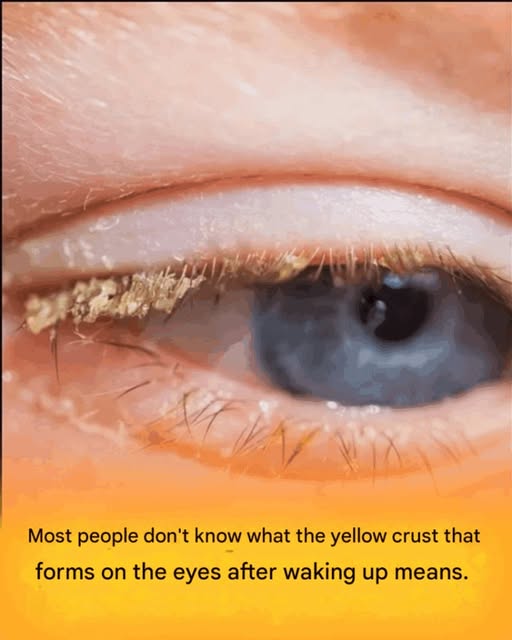
Yellow Crust When Waking Up What Does It Mean

Waking up and noticing a yellow crust on your eyes, lips, nose, or even skin can be surprising—and sometimes worrying. While this symptom is often harmless, it can also be your body’s way of signaling an underlying issue. Understanding what yellow crust is, why it forms overnight, and when to seek medical advice can help you respond appropriately and protect your health.


What Is Yellow Crust?

Yellow crust usually refers to dried secretions that collect on the skin or around body openings while you sleep. These secretions may be made up of mucus, pus, oil, dead skin cells, or tears. During sleep, blinking, swallowing, and wiping stop, allowing fluids to build up and dry into a crust by morning.

The yellow color often suggests the presence of white blood cells, bacteria, or thicker mucus—but this doesn’t always mean something serious is wrong.


Common Areas Where Yellow Crust Appears

  • Eyes (eyelashes or corners)

  • Nose (nostrils)

  • Lips or mouth corners

  • Ears

  • Skin wounds or rashes

Each location can point to different causes.


Yellow Crust Around the Eyes

This is one of the most common complaints.

Possible causes include:

  1. Eye Discharge (Sleep or “Eye Boogers”)
    Mild yellow crust in the morning can be normal. Your eyes naturally produce mucus and tears that dry overnight.

  2. Conjunctivitis (Pink Eye)
    Thick yellow or green crust that seals the eyes shut may indicate bacterial conjunctivitis. It’s often accompanied by redness, itching, swelling, or sensitivity to light.

  3. Blepharitis
    Inflammation of the eyelids can cause yellow crusting at the lash line, especially in the morning.

  4. Dry Eye Syndrome
    Ironically, dry eyes can lead to excess mucus production, forming crust overnight.

When to worry:
If the crust is persistent, painful, causes blurred vision, or is accompanied by redness and swelling, medical evaluation is recommended.


Yellow Crust in the Nose

Yellow crust inside or around the nostrils often relates to nasal mucus.

Common reasons include:

  • Colds or Sinus Infections
    Thick yellow mucus can dry around the nostrils while sleeping.

  • Dry Air
    Heated or air-conditioned rooms dry nasal passages, causing mucus to thicken and crust.

  • Nasal Irritation or Picking
    Small wounds inside the nose may ooze fluid that dries into a yellow crust.

  • Allergies
    Chronic irritation can increase mucus production.

Usually, this is harmless unless accompanied by pain, fever, or facial pressure.


Yellow Crust on Lips or Mouth Corners

This can be uncomfortable and sometimes embarrassing.

Possible causes:

  • Angular Cheilitis
    A common condition where saliva collects in mouth corners, leading to infection and yellow crusting.

  • Dehydration
    Dry lips can crack and ooze fluid overnight.

  • Cold Sores (Herpes Simplex Virus)
    These may ooze clear or yellow fluid before crusting over.

  • Poor Oral Hygiene or Denture Issues

If cracking and crusting persist, antifungal or antibacterial treatment may be needed.


Yellow Crust on the Skin or Wounds

When yellow crust forms on a cut, rash, or sore, it deserves attention.

Potential causes include:

  • Normal Healing
    Clear or slightly yellow fluid (serous fluid) can dry as a crust during healing.

  • Bacterial Infection
    Thick yellow crust, redness, warmth, swelling, or pain may suggest infection (such as impetigo).

  • Eczema or Dermatitis
    Scratching inflamed skin can lead to weeping and crust formation.

Crust that smells bad, spreads, or worsens should be checked by a healthcare provider.


Is Yellow Crust a Sign of Infection?

Not always. Yellow crust alone does not automatically mean infection. However, infection becomes more likely when crusting is accompanied by:

  • Pain or tenderness

  • Swelling or redness

  • Fever

  • Foul odor

  • Thick pus-like discharge

  • Symptoms that worsen instead of improve


What You Can Do at Home

For mild or occasional yellow crust:

  • Gently clean the area with warm water

  • Use a clean, soft cloth—never scrub harshly

  • Practice good hygiene (handwashing, clean bedding)

  • Stay hydrated

  • Use a humidifier if the air is dry

  • Avoid touching or picking at crusted areas

For eye crusting, warm compresses can help loosen debris safely.


When to See a Doctor

Seek medical advice if:

  • Yellow crust persists for more than a few days

  • It keeps returning frequently

  • You experience pain, vision changes, or fever

  • The crust spreads or becomes thick and foul-smelling

  • A wound shows signs of infection

Early evaluation can prevent complications and ensure proper treatment.


Final Thoughts

Yellow crust when waking up is often a normal result of your body’s overnight processes. In many cases, it’s harmless and temporary. However, persistent or worsening crust—especially when paired with other symptoms—can signal infection or inflammation that needs attention.

Listening to your body, maintaining good hygiene, and knowing when to seek help are the keys to staying healthy. If in doubt, it’s always wise to consult a healthcare professional for peace of mind.

Doctors reveal that eating bananas before bed can lead to

Bananas are one of the most popular fruits in the world—affordable, filling, and naturally sweet. But recently, doctors and nutrition experts have been paying closer attention to when you eat bananas, especially before bed. While some people swear by a nighttime banana for better sleep, others report discomfort or unexpected side effects. So what really happens when you eat bananas before going to sleep? The answer depends on your body, your health, and how you eat them.

Let’s explore what doctors reveal about the benefits—and possible downsides—of eating bananas at night.

1. Improved Sleep Quality for Many People

One of the biggest reasons doctors recommend bananas before bed is their sleep-supporting nutrients. Bananas are rich in:

  • Magnesium, which relaxes muscles and calms the nervous system

  • Potassium, which helps prevent nighttime muscle cramps

  • Vitamin B6, which supports the production of melatonin

  • Tryptophan, an amino acid linked to serotonin and melatonin production

Together, these nutrients can help your body relax, lower stress, and prepare for deeper, more restful sleep. Many doctors say that for people who struggle with falling asleep or waking up tired, a small banana 30–60 minutes before bed may help improve sleep quality naturally.

2. Reduced Nighttime Leg Cramps

Doctors often point out that eating bananas before bed can help reduce leg cramps, especially in older adults or people who are low in potassium or magnesium. Nighttime cramps are commonly caused by electrolyte imbalances, dehydration, or muscle fatigue.

A banana provides a gentle dose of electrolytes that may help muscles relax during sleep. This is why some healthcare professionals recommend bananas for people who frequently wake up with calf or foot cramps.

3. Blood Sugar Spikes in Some Individuals

However, doctors also warn that bananas are relatively high in natural sugars. Eating one right before bed may cause a blood sugar spike, especially in people with:

  • Diabetes

  • Prediabetes

  • Insulin resistance

A sudden rise in blood sugar can interfere with sleep, increase nighttime urination, or cause early-morning hunger. Doctors often suggest pairing a banana with protein or healthy fat, such as peanut butter or yogurt, to slow sugar absorption and prevent blood sugar swings.

4. Possible Digestive Discomfort

For some people, eating bananas before bed can lead to bloating, gas, or stomach discomfort. Doctors explain that bananas contain fermentable carbohydrates that may cause digestive issues, particularly in those with sensitive stomachs or IBS.

If you notice heaviness, acid reflux, or discomfort after a nighttime banana, it may be best to eat it earlier in the evening or switch to half a banana instead of a full one.

5. Support for Heart Health During Sleep

Doctors also highlight bananas’ role in heart health, even while you sleep. The potassium in bananas helps regulate blood pressure by balancing sodium levels in the body. Stable blood pressure during sleep is important for heart recovery and overall cardiovascular health.

Eating bananas regularly—not excessively—may support heart rhythm and reduce nighttime blood pressure fluctuations, especially when part of a balanced diet.

6. Weight Gain Myths vs. Reality

Some people worry that eating bananas before bed leads to weight gain. Doctors clarify that bananas alone do not cause weight gain. What matters is total calorie intake and lifestyle.

However, eating large portions late at night—especially alongside sugary or processed foods—can contribute to unwanted weight gain over time. A single medium banana contains about 100 calories, which is generally safe for most people if it fits within daily calorie needs.

7. Better Mood and Reduced Stress

Doctors note that bananas can positively affect mood due to their role in serotonin production. Lower stress levels before bed can mean less anxiety, fewer racing thoughts, and improved sleep onset.

For people who experience nighttime stress or emotional eating, a banana can be a healthier alternative to processed snacks, offering comfort without artificial additives.

8. Who Should Avoid Bananas Before Bed?

Doctors advise caution for certain individuals, including:

  • People with acid reflux (bananas may worsen symptoms for some)

  • Those with severe blood sugar issues

  • Individuals prone to mucus buildup or nighttime congestion

In these cases, eating bananas earlier in the day may be a better option.

Final Verdict from Doctors

Doctors reveal that eating bananas before bed can lead to better sleep, fewer muscle cramps, improved relaxation, and heart support—but only when eaten mindfully. For some people, it may also cause blood sugar spikes or digestive discomfort.

The key is moderation and timing.
If you tolerate bananas well, a small banana or half a banana before bed—ideally paired with protein—can be a healthy nighttime choice. As with all foods, listening to your body is the most important guide.

In short, bananas before bed are neither a miracle cure nor a guaranteed problem—but for many people, they can be a simple, natural way to support a better night’s sleep. 🍌😴

How to clean dirty bed pillows to leave them white and smelling sweet

Bed pillows quietly collect sweat, body oils, dust mites, saliva, and even makeup residue over time. While pillowcases are washed regularly, the pillows themselves are often forgotten. This leads to yellow stains, dullness, and unpleasant odors. The good news? You don’t need expensive products or professional cleaning to restore your pillows. With the right techniques, you can make dirty pillows bright white, fresh, and sweet-smelling again.

Why Pillows Turn Yellow and Smell Bad

Pillows discolor mainly because of sweat and natural body oils. Even if you shower before bed, your body releases moisture at night. Over months or years, this moisture seeps through pillowcases and protectors. Dust mites and bacteria also thrive in warm, damp pillows, contributing to odors and allergies.

Cleaning pillows regularly (every 3–6 months) not only improves appearance but also promotes better sleep and hygiene.

Step 1: Check the Pillow Label First

Before cleaning, always read the care label. Most pillows fall into these categories:

  • Machine-washable: Cotton, polyester, down, and feather pillows

  • Hand-wash only: Memory foam and latex pillows

Never machine-wash memory foam or latex, as water can destroy their structure.

Step 2: The Best Whitening Wash for Machine-Washable Pillows

This method works exceptionally well for yellowed or gray pillows.

What You’ll Need:

  • 1 cup baking soda

  • 1 cup white vinegar

  • ½ cup laundry detergent

  • Hot water (if allowed by the label)

Instructions:

  1. Remove pillowcases and protectors.

  2. Place two pillows in the washing machine to keep it balanced.

  3. Add detergent directly to the drum.

  4. Pour baking soda into the drum.

  5. Start the wash cycle using hot water.

  6. During the rinse cycle, add white vinegar.

Why it works:
Baking soda lifts stains and neutralizes odors, while vinegar kills bacteria and dissolves body oils—leaving pillows white and odor-free.

Step 3: Extra Whitening for Deep Stains

If pillows are heavily stained, add one of the following boosters:

  • Oxygen bleach (safe for most fabrics)

  • ½ cup hydrogen peroxide (natural whitening power)

Avoid chlorine bleach for down or feather pillows—it can damage the filling and cause yellowing over time.

Step 4: Proper Drying Is Essential

Incorrect drying can ruin all your hard work.

Best Drying Tips:

  • Use a dryer on low or medium heat

  • Add 2–3 clean tennis balls or dryer balls to fluff the filling

  • Dry thoroughly—any moisture can cause mildew and bad smells

To test dryness, press the pillow firmly. If it feels cool or damp inside, dry longer.

For sun lovers: letting pillows dry in direct sunlight naturally whitens fabric and kills bacteria while adding a fresh outdoor scent.

Step 5: How to Clean Memory Foam and Latex Pillows

These pillows require gentle care.

What You’ll Need:

  • Mild detergent

  • Baking soda

Instructions:

  1. Remove the pillow cover and wash it separately.

  2. Spot-clean stains using a cloth with diluted detergent.

  3. Sprinkle baking soda over the pillow surface.

  4. Let it sit for 8–12 hours.

  5. Vacuum thoroughly using an upholstery attachment.

  6. Air-dry completely in a well-ventilated area.

This method removes odors without damaging the foam.

Step 6: Make Pillows Smell Sweet Naturally

For a clean, pleasant scent without harsh chemicals:

Natural Freshening Options:

  • Add 10–15 drops of essential oil (lavender, eucalyptus, lemon) to the rinse water

  • Place a scented dryer sachet in the dryer

  • Lightly mist pillows with a mixture of water and essential oil after drying

Avoid heavy perfumes—they can trap moisture and attract dirt.

Step 7: Keep Pillows White Longer

Prevention is the secret to long-lasting freshness.

Smart Pillow Care Tips:

  • Always use pillow protectors

  • Wash pillowcases weekly

  • Shower before bed to reduce oil buildup

  • Replace pillows every 1–2 years

  • Air pillows outside once a month

These habits dramatically reduce staining and odors.

Final Thoughts

Cleaning your pillows is one of the most overlooked yet powerful ways to improve sleep quality. With simple household ingredients like baking soda, vinegar, and sunlight, you can transform dirty, yellow pillows into bright white, fresh-smelling bedding that feels brand new.

Not only will your bed look cleaner, but you’ll also breathe easier, sleep deeper, and enjoy the comforting scent of truly clean pillows—night after night.