Waking Up Between 3 and 5 AM May Be a Sign of Spiritual Awakening

Have you ever found yourself waking up between 3 and 5 AM again and again, without an alarm, feeling oddly alert or reflective? For many people, this experience feels too consistent to be random. Across spiritual traditions, this early-morning awakening is often seen as more than a sleep disturbance—it’s believed to be a sign of spiritual awakening, heightened awareness, or an inner call to transformation.

While science explains early waking through sleep cycles and stress, spirituality offers a deeper, symbolic meaning. Let’s explore why this time window is considered powerful and what it may be trying to tell you.

The Spiritual Significance of 3–5 AM

In many spiritual systems, the hours between 3 and 5 AM are known as the “sacred hours” or “divine window.” The world is quiet, distractions are minimal, and the mind naturally becomes more receptive. Ancient mystics believed this was the best time to connect with higher consciousness, intuition, and divine guidance.

In some traditions, 3 AM is called the veil hour, when the boundary between the physical and spiritual realms is thinnest. Others refer to it as Brahma Muhurta, an auspicious time for meditation, prayer, and self-realization. Waking during this period is said to mean your soul is ready to listen.

A Call From Your Inner Self

Repeatedly waking up during these hours may indicate that your inner self is trying to communicate with you. Spiritual awakening often begins subtly—through restlessness, vivid dreams, or sudden awareness during the night.

You may notice:

  • A strong urge to reflect on your life

  • Deep thoughts about purpose or meaning

  • A desire to change old habits or beliefs

  • Heightened emotions or sensitivity

These are common signs that you’re outgrowing an old version of yourself. Your soul may be nudging you to slow down, listen, and realign with your true path.

Heightened Intuition and Energy Shifts

Many people experiencing spiritual awakening report increased intuition. During the early morning hours, the ego mind is quiet, making it easier for intuitive insights to surface. You may suddenly receive ideas, solutions to problems, or a strong sense of clarity.

Some spiritual teachings suggest that waking at this time is linked to energy activation, especially around the heart or crown chakras. You might feel a gentle vibration, warmth, or a sense of peace rather than anxiety. This can be a sign that your energy is shifting to a higher frequency.

Emotional Release and Healing

Spiritual awakening is not always blissful. It often brings emotional healing, which can be uncomfortable. Waking between 3 and 5 AM may happen when suppressed emotions are ready to surface.

You might experience:

  • Sudden sadness or tears without a clear reason

  • Memories from the past resurfacing

  • A need to forgive yourself or others

This isn’t a setback—it’s a release. Healing often happens when the mind is quiet and defenses are down. These early hours provide the perfect space for deep emotional cleansing.

Feeling Called to Pray or Meditate

One of the most telling signs of spiritual awakening is a spontaneous desire to pray, meditate, or simply sit in silence after waking. Even people who were never spiritual before may feel drawn to these practices.

Instead of forcing yourself back to sleep, many spiritual teachers suggest gently embracing the moment. Sitting quietly, focusing on your breath, or expressing gratitude can bring profound peace and insight. Over time, these moments may become the most meaningful part of your day.

Not Fear, but Awareness

It’s important to understand that waking up at this time is not a bad omen. While some cultures attach fear-based meanings to early waking, spiritual perspectives emphasize awareness and growth, not danger.

However, balance matters. If waking up comes with anxiety, exhaustion, or physical discomfort, lifestyle factors like stress, diet, or sleep habits may also be involved. Spiritual awakening doesn’t replace practical self-care—it complements it.

What Should You Do If This Keeps Happening?

If you frequently wake between 3 and 5 AM and feel calm, curious, or reflective, try this:

  • Avoid checking your phone immediately

  • Take slow, deep breaths

  • Ask yourself gentle questions like, “What is my soul trying to show me?”

  • Write down thoughts or dreams in a journal

These small practices can help you understand the deeper message behind the awakening.

A Gentle Reminder From the Universe

Waking up between 3 and 5 AM may be a quiet invitation—a reminder to reconnect with yourself, reassess your direction, and awaken to a deeper truth. Spiritual awakening doesn’t always arrive dramatically. Sometimes, it begins softly, in the stillness of the early morning, when the world sleeps and your soul speaks.

If this experience resonates with you, don’t ignore it. Listen gently. You may be standing at the doorway of a powerful inner transformation.


10 Genius Aspirin Hacks You Need to Try

Aspirin has been a household staple for over a century, best known for easing headaches, reducing fever, and supporting heart health when prescribed by a doctor. But beyond the medicine cabinet, aspirin has several surprising and practical uses that many people have never heard of. From household fixes to beauty and gardening tricks, this humble tablet can do far more than you think—when used correctly.

Before we dive in, an important note: aspirin should never replace medical advice, and it should not be used internally unless recommended by a healthcare professional. The hacks below focus on external, household, and lifestyle uses that are generally considered safe.

Let’s explore ten genius aspirin hacks you’ll be glad you know.

1. Relieve Insect Bite Itch Naturally

If a mosquito or ant bite is driving you crazy, aspirin can help soothe the irritation. Crush one uncoated aspirin tablet and mix it with a few drops of water to form a paste. Apply it directly to the bite for a few minutes.

Why it works: Aspirin contains salicylic acid, which helps reduce inflammation and itching.

⚠️ Avoid this if you have sensitive skin or broken skin.

2. Remove Sweat Stains from Clothes

Yellow sweat stains on white shirts can be stubborn. Aspirin offers a surprisingly effective solution.

How to use it:

Crush two aspirin tablets

Dissolve them in half a cup of warm water

Soak the stained area for 2–3 hours before washing

This trick helps break down sweat proteins and brighten fabric naturally.

3. Help Plants Recover from Stress

Aspirin isn’t just for humans—plants can benefit too.

How it helps:
A diluted aspirin solution may support plant immunity and help them recover from stress caused by transplanting or disease.

How to use:
Dissolve one aspirin tablet in one gallon of water and spray lightly on leaves or water the soil once every few weeks.

🌱 Do not overuse—less is more.

4. Reduce Dandruff Buildup

If you struggle with flaky dandruff, aspirin can help enhance your shampoo.

Try this:
Crush two aspirin tablets and mix them into your regular shampoo. Massage into the scalp, let sit for 2–3 minutes, then rinse thoroughly.

Aspirin’s salicylic acid helps loosen dead skin cells and reduce flakes.

5. Clean Soap Scum and Grime

Bathroom surfaces covered in soap residue? Aspirin can help cut through grime.

Method:
Mix crushed aspirin with water to form a paste. Apply to stained areas like sinks or tiles, let sit for 10 minutes, then scrub and rinse.

It’s an affordable and chemical-light cleaning option.

6. Soothe Mild Sunburn (External Use Only)

Aspirin’s anti-inflammatory properties may help calm mild sunburn discomfort.

How:
Dissolve aspirin in cool water and gently dab onto the affected area using a clean cloth.

☀️ This is for mild sunburn only—not severe burns or blistered skin.

7. Extend the Life of Cut Flowers

Want your bouquet to last longer? Add aspirin to the vase.

How it works:
Aspirin helps inhibit bacterial growth in water, keeping stems clearer.

Instructions:
Crush one aspirin tablet and dissolve it in the vase water before adding flowers.

8. Remove Nicotine or Grease Stains from Hands

If soap alone won’t remove stubborn stains, aspirin can help.

Use:
Make a paste with crushed aspirin and lemon juice. Rub gently on hands, then rinse well.

This is especially useful for mechanics, gardeners, or smokers.

9. Clear Minor Skin Buildup (Occasional Use)

Aspirin is sometimes used in DIY skincare due to its exfoliating properties.

Safe approach:
Mix a small amount of crushed aspirin with honey and apply briefly as a mask (1–2 minutes only), then rinse thoroughly.

⚠️ Not suitable for sensitive skin or daily use. Always patch test first.

10. Emergency Callus Softener

Rough heels or calluses? Aspirin may help soften them.

How:
Crush several tablets, mix with lemon juice, apply to the area, wrap with a warm cloth for 10 minutes, then gently exfoliate.

Follow with moisturizer for best results.

Important Safety Reminders

Never ingest aspirin unless advised by a doctor

Avoid use if you are allergic to aspirin or salicylates

Keep aspirin away from children

External use should be occasional, not daily

Final Thoughts

Aspirin is far more versatile than most people realize. From cleaning hacks to plant care and personal grooming, these clever uses can save time and money when done responsibly. The key is using aspirin wisely and safely, respecting its strength even outside medical use.

Sometimes, the most powerful solutions are already sitting in your cabinet—you just need to know how to use them.

Two Fruits That Regenerate Collagen in the Knees

Knee pain, stiffness, and reduced mobility are increasingly common problems, especially as we age. One of the main reasons behind this discomfort is the gradual loss of collagen in the knee joints. Collagen is a vital protein that keeps cartilage strong, flexible, and shock-absorbent. When collagen levels drop, cartilage becomes thinner, joints lose cushioning, and pain or inflammation can set in. While no single food can magically “rebuild” knees overnight, certain fruits contain powerful nutrients that support collagen production, protect existing collagen, and slow joint degeneration. Among all fruits, two stand out for knee health and collagen regeneration: oranges and berries.

Why Collagen Is So Important for Knee Health

Before exploring the fruits, it’s important to understand collagen’s role in the knees. Collagen makes up a large portion of cartilage, ligaments, and tendons. In the knee joint, it:

  • Maintains cartilage structure

  • Absorbs shock during walking or running

  • Reduces friction between bones

  • Supports flexibility and strength

As we grow older, collagen production naturally decreases. Poor diet, excess sugar, smoking, stress, and inflammation can speed up this process. That’s why nutrition plays a crucial role in preserving joint health.

Fruit #1: Oranges – The Collagen Activator

Oranges are one of the best fruits for knee health because they are exceptionally rich in vitamin C, the single most important nutrient for collagen synthesis.

How Oranges Help Regenerate Collagen

Vitamin C acts as a cofactor in collagen production, meaning your body cannot form collagen efficiently without it. When you consume oranges regularly:

  • Vitamin C stimulates collagen-forming cells (fibroblasts)

  • It strengthens cartilage tissue in the knees

  • It helps repair micro-damage caused by daily joint stress

  • It reduces inflammation that breaks down collagen

In fact, studies consistently show that people with higher vitamin C intake have healthier cartilage and a lower risk of osteoarthritis.

Additional Knee-Protective Benefits of Oranges

Oranges also contain flavonoids and antioxidants that protect existing collagen from oxidative damage. Free radicals generated by inflammation and aging can destroy collagen fibers, but orange antioxidants help neutralize them.

Other benefits include:

  • Improved blood circulation to joint tissues

  • Reduced stiffness and swelling

  • Better absorption of iron, which supports tissue repair

How to Use Oranges for Knee Health

For best results:

  • Eat 1–2 whole oranges daily

  • Drink fresh orange juice (without added sugar)

  • Combine oranges with collagen-rich foods like bone broth or yogurt

Consistency is key. Over time, your knees may feel more flexible and less painful.

Fruit #2: Berries – The Collagen Protectors

Berries such as strawberries, blueberries, raspberries, and blackberries are powerful allies for joint and knee health. While they don’t just boost collagen production, they play a critical role in protecting and preserving collagen already present in the knees.

Why Berries Are So Effective

Berries are packed with:

  • Vitamin C

  • Anthocyanins (anti-inflammatory compounds)

  • Polyphenols (collagen-protecting antioxidants)

These compounds reduce chronic inflammation, which is one of the biggest causes of cartilage breakdown and knee pain.

How Berries Support Knee Collagen

Berries help in several important ways:

  • They prevent collagen degradation caused by inflammation

  • They reduce enzymes that destroy cartilage

  • They protect knee joints from oxidative stress

  • They improve joint lubrication and flexibility

Strawberries, in particular, are rich in vitamin C and manganese, both essential for collagen formation and cartilage strength.

Scientific Insight

Research suggests that people who regularly consume berries experience:

  • Reduced joint pain

  • Lower inflammatory markers

  • Improved mobility in arthritis-prone joints

This makes berries especially beneficial for people with knee osteoarthritis or age-related joint stiffness.

Best Ways to Eat Berries

  • Add fresh berries to breakfast or yogurt

  • Blend them into smoothies

  • Eat a mixed berry bowl 3–4 times a week

  • Choose frozen berries if fresh ones are unavailable

Avoid sugary berry syrups or jams, as excess sugar can damage collagen.

How to Maximize Collagen Regeneration in the Knees

While oranges and berries are powerful, they work best when combined with healthy habits:

  • Stay hydrated to keep cartilage lubricated

  • Reduce sugar intake, which weakens collagen fibers

  • Include protein sources like eggs, fish, and legumes

  • Get moderate sunlight for vitamin D support

  • Maintain gentle movement like walking or stretching

Together, these steps create an environment where collagen can rebuild and joints can recover.

Final Thoughts

Knee health doesn’t depend on supplements alone. Oranges and berries offer a natural, affordable, and delicious way to support collagen regeneration and protect your joints. Oranges fuel collagen production through vitamin C, while berries guard your existing collagen from inflammation and damage. When eaten regularly as part of a balanced diet, these two fruits can help keep your knees stronger, more flexible, and pain-free over time.

Your knees carry you through life—nourishing them daily is one of the simplest investments you can make in your long-term mobility and comfort.

Drink Before Bed to Prevent Nighttime Leg Cramps

Nighttime leg cramps can turn a peaceful night’s sleep into a painful wake-up call. These sudden, involuntary muscle contractions—most often in the calves, feet, or thighs—can last from a few seconds to several minutes and leave lingering soreness. While leg cramps are common, especially among older adults, pregnant women, and people who are dehydrated or deficient in certain minerals, the good news is that simple bedtime habits can make a big difference. One of the most effective and natural strategies is choosing the right drink before bed to help relax muscles and prevent cramps before they start.

Why Do Nighttime Leg Cramps Happen?

Before diving into the best bedtime drink, it helps to understand what causes leg cramps at night. The most common triggers include:

  • Dehydration – Not drinking enough fluids during the day

  • Mineral deficiencies – Low levels of magnesium, potassium, calcium, or sodium

  • Poor circulation – Reduced blood flow during rest

  • Muscle fatigue – Overuse of muscles during the day

  • Nerve issues or certain medications – Including diuretics or statins

When muscles lack proper hydration and electrolytes, they become more likely to contract involuntarily—especially during sleep when circulation naturally slows.

The Best Drink Before Bed: Warm Magnesium-Rich Milk or Plant Milk

One of the most effective drinks before bed to prevent nighttime leg cramps is a warm magnesium-rich milk drink, either dairy or plant-based.

Why Magnesium Matters

Magnesium is essential for muscle relaxation. It helps regulate nerve signals and prevents muscles from contracting too tightly. A deficiency in magnesium is strongly linked to frequent leg cramps, muscle spasms, and restless legs at night.

Drinking a warm beverage containing magnesium before bed allows your body to absorb this mineral while also promoting relaxation and better sleep.

How to Prepare the Ideal Bedtime Drink

Option 1: Warm Milk with Magnesium

  • 1 cup warm milk (dairy milk contains calcium and potassium)

  • Optional: a pinch of magnesium powder (food-grade, doctor-approved)

  • Optional: ½ teaspoon honey for taste

Option 2: Almond or Oat Milk (Naturally High in Magnesium)

  • 1 cup unsweetened almond milk or oat milk

  • Gently warm (do not boil)

  • Add a pinch of cinnamon or turmeric if desired

Almond milk is especially rich in magnesium and potassium, making it an excellent choice for muscle health.

How This Drink Helps Prevent Leg Cramps

  1. Relaxes Muscles Naturally
    Magnesium helps muscles release after contraction, reducing the chance of painful spasms during the night.

  2. Supports Nerve Function
    Proper nerve signaling prevents sudden misfires that trigger cramps.

  3. Improves Sleep Quality
    Warm milk promotes relaxation by supporting melatonin production, helping you fall asleep faster and stay asleep longer.

  4. Rehydrates the Body
    Mild hydration before bed keeps muscles from tightening due to fluid loss.

Other Effective Bedtime Drink Alternatives

If milk isn’t your preference, these drinks can also help reduce nighttime leg cramps:

1. Chamomile Tea

Naturally calming and anti-inflammatory, chamomile helps muscles relax and improves circulation.

2. Banana Smoothie (Light Version)

A small banana blended with almond milk provides potassium and magnesium—two key minerals for cramp prevention.

3. Electrolyte Water (Low Sugar)

Ideal for people who sweat a lot or exercise during the day. Look for options with magnesium and potassium, not excessive sugar.

4. Warm Lemon Water with a Pinch of Sea Salt

Provides hydration and trace minerals that support muscle function.

When and How to Drink It

  • Timing: 30–60 minutes before bedtime

  • Quantity: 1 cup is enough—avoid large amounts to prevent nighttime bathroom trips

  • Consistency: Drink it nightly for best results

Additional Tips to Prevent Nighttime Leg Cramps

A bedtime drink works best when combined with healthy habits:

  • Stretch your calves and feet gently before bed

  • Stay hydrated throughout the day

  • Avoid excessive caffeine and alcohol

  • Wear loose bedding to avoid restricted circulation

  • Ensure proper intake of magnesium and potassium through diet

Foods like leafy greens, nuts, seeds, bananas, avocados, and whole grains also support muscle health.

When to See a Doctor

If leg cramps are severe, frequent, or accompanied by swelling, numbness, or weakness, consult a healthcare professional. Persistent cramps may signal underlying issues such as nerve disorders, circulation problems, or medication side effects.

Final Thoughts

Nighttime leg cramps don’t have to steal your sleep. A simple, soothing magnesium-rich drink before bed can relax your muscles, calm your nerves, and help you wake up refreshed instead of in pain. Whether it’s warm almond milk, chamomile tea, or a gentle electrolyte drink, consistency is key. Make it part of your nightly routine, and your legs—and your sleep—will thank you.

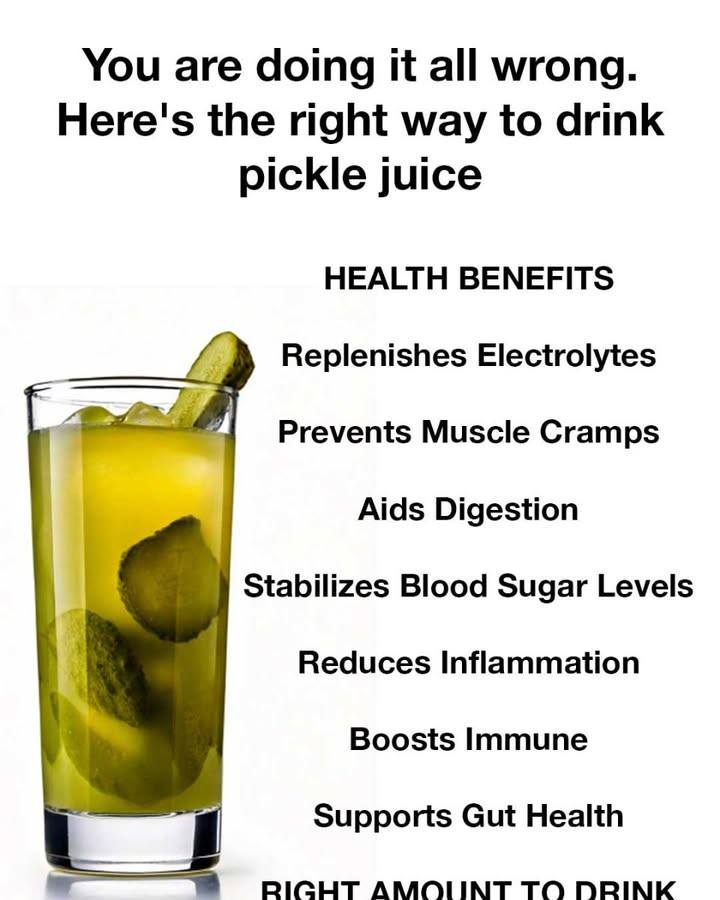
You are doing it all wrong Here’s the right way to drink pickle juice

Pickle juice has quietly gone from a quirky leftover in the fridge to a trendy wellness drink praised by athletes, home remedies enthusiasts, and even chefs. Some people swear by it for muscle cramps, digestion, hydration, or simply for its bold, tangy flavor. But here’s the truth most people don’t realize: the way you’re drinking pickle juice may be canceling out its benefits—or even causing problems.

If you’ve ever chugged it straight from the jar, taken huge gulps, or treated it like water, you’re probably doing it wrong. Let’s break down the right way to drink pickle juice so you can enjoy its potential benefits safely and effectively.


First, What Exactly Is Pickle Juice?

Pickle juice is the liquid left behind after cucumbers (or other vegetables) are pickled. Traditional pickle juice contains water, vinegar, salt, and sometimes garlic, dill, mustard seeds, or spices. This combination gives pickle juice its sharp taste—and also its unique nutritional profile.

It’s rich in electrolytes (especially sodium) and acetic acid from vinegar, which is why it has gained attention in health and fitness circles.


Common Mistakes People Make with Pickle Juice

Before learning the right way, let’s look at what most people do wrong:

  • Drinking too much at once

  • Chugging it on an empty stomach

  • Using sugary, artificially flavored pickle juice

  • Drinking it daily without moderation

  • Ignoring sodium content

Pickle juice is powerful. Treating it like a casual beverage is a mistake.


The Right Way to Drink Pickle Juice

1. Drink Small Amounts—Not a Full Glass

This is the most important rule. Pickle juice is not meant to be consumed in large quantities. The ideal amount is:

  • 1 to 2 tablespoons at a time

  • No more than 2–3 times per day, and not every day

This small dose is enough to deliver electrolytes and vinegar benefits without overwhelming your system with salt.


2. Sip It Slowly—Never Chug

Chugging pickle juice can irritate your stomach and spike sodium levels too quickly. Instead:

  • Take small sips

  • Let it sit in your mouth briefly

  • Swallow slowly

Many people report better results—especially for cramps—when they sip rather than gulp.


3. Use It at the Right Time

Timing matters more than you think.

Best times to drink pickle juice:

  • After intense sweating or exercise

  • During muscle cramping

  • After a heavy or greasy meal

  • When feeling mildly dehydrated (not severely)

Worst times:

  • First thing in the morning on an empty stomach

  • Right before bed

  • When already bloated or retaining water


4. Dilute It If You’re Sensitive

If pickle juice feels too strong or causes heartburn, dilution is your best friend.

Try this:

  • 1 tablespoon pickle juice

  • ½ to 1 cup water

This reduces acidity while still delivering electrolytes and flavor.


Why Some People Feel Better After Drinking Pickle Juice

When used correctly, pickle juice may support the body in several ways:

  • Electrolyte replenishment: Sodium helps with nerve signaling and muscle contraction.

  • Cramp relief: Some studies suggest vinegar triggers nerve responses that help stop muscle spasms.

  • Digestion support: Vinegar can stimulate digestive enzymes.

  • Appetite control: The strong flavor may reduce cravings for sugary snacks.

However, these effects come from small, controlled amounts, not excess.


Choose the Right Kind of Pickle Juice

Not all pickle juice is created equal.

Best choice:

  • Naturally fermented pickles

  • Simple ingredients: water, salt, vinegar, spices

  • No artificial colors or preservatives

Avoid:

  • Sweet pickles

  • Pickle juice with added sugar

  • Neon-colored commercial “pickle drinks”

Sugar-heavy pickle juice defeats the purpose and may spike blood sugar.


Who Should Be Careful or Avoid It

Pickle juice is not for everyone. You should limit or avoid it if you:

  • Have high blood pressure

  • Have kidney problems

  • Are on a low-sodium diet

  • Experience frequent acid reflux

  • Retain water easily

If you fall into these categories, occasional diluted sips may be safer—but moderation is essential.


A Smart Way to Add Pickle Juice to Your Routine

Instead of drinking it straight, consider using pickle juice as:

  • A splash in salad dressings

  • A recovery shot after workouts

  • A flavor booster in soups or marinades

  • A quick cramp-relief sip during exercise

This approach keeps intake low while maximizing usefulness.


Final Thoughts

Pickle juice isn’t magic—but when used correctly, it can be surprisingly helpful. The biggest mistake people make is thinking more is better. In reality, pickle juice works best as a tool, not a beverage.

Small sips. Right timing. Quality ingredients. Moderation.

That’s the right way to drink pickle juice—and once you do it properly, you may finally understand why so many people swear by it.

15 Hidden Atorvastatin Side Effects Your Doctor May Not Have Time to Mention

Atorvastatin—commonly known by the brand name Lipitor—is one of the most widely prescribed medications in the world. Doctors rely on it to lower LDL (“bad”) cholesterol, reduce plaque buildup in arteries, and decrease the risk of heart attack and stroke. For many people, it’s truly lifesaving.

But like all medications, atorvastatin can come with side effects—some well-known, others rarely discussed during quick clinic visits. Most people never experience serious problems, yet understanding these less-talked-about effects empowers you to notice early warning signs and have better conversations with your healthcare provider.

Here are 15 hidden or lesser-known atorvastatin side effects you should be aware of before your next refill.

1. Muscle Weakness (Not Just Muscle Pain)

You’ve probably heard about muscle aches, but atorvastatin can also cause subtle muscle weakness—trouble climbing stairs, lifting groceries, or getting up from a chair. This can happen even without pain.

2. Persistent Fatigue

Some users report ongoing tiredness that doesn’t improve with rest. This fatigue may stem from how statins affect energy production inside muscle cells.

3. Brain Fog or Memory Lapses

Difficulty concentrating, forgetfulness, or feeling “mentally cloudy” has been reported by some patients. While research is mixed, many people notice improvement after dosage adjustments.

4. Sleep Disturbances

Insomnia, vivid dreams, or restless sleep may occur, especially when the medication is taken at night. Cholesterol plays a role in hormone production, including melatonin.

5. Digestive Discomfort

Beyond nausea or diarrhea, atorvastatin can cause bloating, gas, constipation, or stomach cramps—symptoms that may be mistaken for food intolerance.

6. Increased Blood Sugar Levels

Atorvastatin may slightly raise blood glucose levels, which is especially important for people with prediabetes or type 2 diabetes. Regular monitoring is essential.

7. New-Onset Diabetes Risk

Long-term use has been linked to a small increased risk of developing diabetes in certain individuals—particularly those already at risk due to weight or family history.

8. Joint Pain or Stiffness

Unexplained joint discomfort, especially in the knees, hips, or hands, can sometimes be associated with statin use and may worsen with activity.

9. Liver Enzyme Elevations

Atorvastatin can raise liver enzymes without obvious symptoms. In rare cases, this may signal liver stress, which is why periodic blood tests are recommended.

10. Dark-Colored Urine

This can be an early sign of muscle breakdown (rhabdomyolysis), a very rare but serious condition. It often appears alongside severe muscle weakness or pain.

11. Reduced Exercise Tolerance

Some people notice they tire faster during workouts or daily walks. Statins can affect mitochondrial function, which plays a key role in endurance.

12. Peripheral Neuropathy (Tingling or Numbness)

Long-term use may, in rare cases, contribute to nerve-related symptoms such as tingling, burning, or numbness in the hands or feet.

13. Hormonal Changes

Cholesterol is a building block for hormones. Some users report reduced libido or sexual dysfunction, although this is not officially listed as a common side effect.

14. Increased Sensitivity to Alcohol

Alcohol may feel “stronger” while on atorvastatin, and combined use can put extra strain on the liver. Even moderate drinking may cause stronger reactions.

15. Skin Reactions

Unusual itching, rash, flushing, or increased sensitivity to sunlight can occur. These symptoms are often overlooked or blamed on allergies.

Why Doctors May Not Mention These

Doctors often focus on life-threatening risks versus benefits—and for most people, the heart-protective benefits of atorvastatin outweigh potential side effects. Time-limited appointments also make it difficult to cover every possibility.

What You Should Do Instead of Stopping the Medication

Never stop atorvastatin abruptly without medical advice. If you experience concerning symptoms:

Track when symptoms started

Note changes in dose or timing

Ask about dosage adjustment, timing changes, or alternative statins

Discuss lifestyle strategies that may allow for lower doses

The Bottom Line

Atorvastatin saves lives, but it isn’t one-size-fits-all. Being informed doesn’t mean being fearful—it means being proactive. Understanding these hidden side effects helps you recognize what’s normal, what’s not, and when to speak up.

Your health works best when you and your doctor are on the same team—and knowledge is your strongest tool before your next refill.

Remove tartar from your teeth and whiten them with this simple recipe

If you’ve been searching Google for “how to remove tartar from teeth naturally,” “teeth whitening at home,” “remove plaque and tartar,” or “natural teeth whitening remedies,” you’re not alone. Millions of people want a brighter smile without expensive dental treatments. But before we dive in, it’s important to separate myths from facts—because when it comes to tartar, honesty protects your teeth and gums.

Let’s explore a safe, simple home-care recipe, what it can and cannot do, and the best dentist-approved ways to keep your teeth white and tartar-free.

What Is Tartar and Why Is It So Hard to Remove?

Tartar (also called dental calculus) forms when plaque hardens on teeth. Plaque is a sticky film of bacteria that builds up daily from food, drinks, and saliva. If plaque isn’t removed within 24–48 hours, it mineralizes and turns into tartar.

Important truth:
👉 Tartar cannot be fully removed at home once it has hardened.
Only a dentist or dental hygienist can safely remove tartar using professional tools.

However, the good news is that you can:

  • Prevent plaque from turning into tartar

  • Reduce surface stains

  • Make teeth appear whiter

  • Improve overall oral hygiene naturally

The Simple Recipe That Helps Prevent Tartar and Whiten Teeth

This natural teeth-cleaning recipe is popular because it uses ingredients found in many homes. It does not replace professional cleaning, but it helps control plaque and surface discoloration.

Ingredients:

  • ½ teaspoon baking soda

  • A few drops of fresh lemon juice or water

  • A soft-bristled toothbrush

How to Use:

  1. Mix baking soda with enough liquid to form a smooth paste.

  2. Gently brush your teeth for 30–60 seconds.

  3. Rinse thoroughly with water.

  4. Use no more than once per week.

Why This Recipe Works (When Used Correctly)

Baking Soda Benefits for Teeth

  • Neutralizes acids in the mouth

  • Helps loosen plaque

  • Mild abrasive that removes surface stains

  • Leaves teeth looking brighter

Lemon Juice – Use With Caution

  • Contains citric acid that helps break down stains

  • Can weaken enamel if overused

⚠️ Overuse warning: Excessive brushing with baking soda or lemon can damage enamel and increase tooth sensitivity.

What This Recipe Can and Cannot Do

✅ What It Can Do:

  • Reduce plaque buildup

  • Remove surface stains from coffee, tea, and smoking

  • Improve breath freshness

  • Make teeth appear whiter

❌ What It Cannot Do:

  • Remove hardened tartar

  • Replace dental scaling

  • Fix cavities or gum disease

If you see yellow or brown buildup stuck to teeth, that is tartar—and it requires professional care.

Best Natural Ways to Prevent Tartar Buildup (Dentist-Approved)

To truly control tartar and maintain white teeth, consistency matters more than “miracle” remedies.

1. Brush Twice Daily (The Right Way)

Use a fluoride toothpaste and brush for at least 2 minutes, especially along the gum line where tartar forms most.

2. Floss Every Day

Floss removes plaque where toothbrushes can’t reach—between teeth and under the gums.

3. Use an Antiseptic Mouthwash

Mouthwash helps kill bacteria that cause plaque and bad breath.

4. Eat Crunchy Fruits and Vegetables

Apples, carrots, and celery naturally scrub teeth and stimulate saliva production.

5. Limit Sugar and Acidic Drinks

Sugary foods and sodas feed plaque-forming bacteria.

Common Google Search Myths About Tartar Removal

❌ “Scraping tartar with metal tools at home”

This can permanently damage enamel and gums. Never try it.

❌ “Hydrogen peroxide cures tartar”

It may whiten teeth but does not remove tartar and can irritate gums.

❌ “Salt and vinegar remove tartar instantly”

Highly acidic—can erode enamel and worsen sensitivity.

When You Should See a Dentist Immediately

Seek professional care if you notice:

  • Bleeding gums

  • Persistent bad breath

  • Yellow or brown hard deposits on teeth

  • Gum recession or tooth sensitivity

Professional dental cleaning is the only safe way to remove tartar completely.

Final Thoughts: The Truth About Tartar and Whitening

There is no magic home recipe that removes tartar overnight. However, using gentle natural methods like baking soda correctly and occasionally can help control plaque, brighten teeth, and support oral hygiene.

For long-term results:

  • Combine good daily habits

  • Use natural remedies sparingly

  • Get professional cleanings regularly

A healthy smile isn’t about shortcuts—it’s about smart care and consistency.

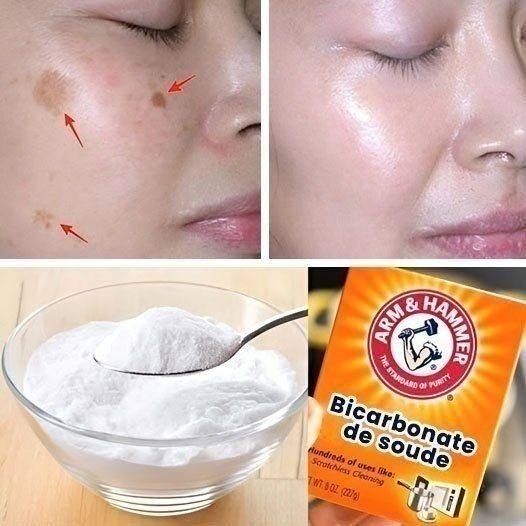
How to Use Baking Soda to Remove Dark Spots Wrinkles and Dark Circles from Your Face

Baking soda (sodium bicarbonate) is a common household ingredient often praised online as a miracle solution for skin problems such as dark spots, wrinkles, and dark circles. While baking soda does have certain properties that may benefit the skin when used very carefully, it is also a highly alkaline substance that can damage the skin barrier if misused. Understanding how it works—and its limitations—is essential before applying it to your face.

This article explains what baking soda can and cannot do, how to use it safely, and better alternatives for long-term skin health.

Why Baking Soda Is Popular in Skincare

Baking soda has three main characteristics that attract skincare enthusiasts:

  1. Mild exfoliating ability
    Its fine granules can help remove dead skin cells from the surface of the skin.

  2. Oil-absorbing properties
    It can temporarily reduce excess oil, making skin appear smoother.

  3. pH-altering effect
    Baking soda is alkaline, which can neutralize acids—but this is also where risk comes in.

Healthy facial skin has a natural pH of about 4.5–5.5. Baking soda’s pH is around 9, which means frequent or improper use can disrupt the skin barrier, leading to dryness, irritation, and even darker pigmentation over time.

Can Baking Soda Remove Dark Spots?

Dark spots (hyperpigmentation) are usually caused by sun exposure, acne scars, hormonal changes, or aging. Baking soda does not bleach or erase pigment, but gentle exfoliation may help:

  • Remove surface dead skin cells

  • Make the skin look slightly brighter temporarily

  • Allow other skincare products to absorb better

Gentle Baking Soda Exfoliation (Occasional Use Only)

Ingredients:

  • ½ teaspoon baking soda

  • 1 tablespoon honey or plain yogurt

How to use:

  1. Mix into a smooth paste

  2. Apply lightly to clean skin

  3. Massage gently for no more than 20 seconds

  4. Rinse with lukewarm water

  5. Apply moisturizer immediately

Frequency: Once every 10–14 days only

⚠️ Overuse can worsen dark spots by causing irritation and inflammation.

Can Baking Soda Reduce Wrinkles?

Wrinkles are caused by:

  • Loss of collagen and elastin

  • Sun damage

  • Dehydration

  • Natural aging

Baking soda cannot reverse wrinkles. However, temporary exfoliation may make skin feel smoother by removing rough, dry surface layers.

What Baking Soda Can Do:

✔ Smooth texture temporarily
✔ Make skin feel softer
✘ Does NOT stimulate collagen
✘ Does NOT erase fine lines

For wrinkles, ingredients like retinol, vitamin C, peptides, and sunscreen are far more effective.

Can Baking Soda Help Dark Circles?

Dark circles are caused by:

  • Thin skin

  • Blood vessel visibility

  • Genetics

  • Fatigue

  • Dehydration

⚠️ Baking soda should NOT be used under the eyes.
The under-eye area is extremely thin and sensitive, and baking soda can cause:

  • Burning

  • Redness

  • Increased darkness

  • Fine lines

Safer Alternatives for Dark Circles:

  • Cold compresses

  • Caffeine-based eye creams

  • Aloe vera gel

  • Vitamin E oil

  • Proper sleep and hydration

Important Safety Guidelines

If you choose to use baking soda on your face, follow these rules strictly:

  • Never use it daily

  • Never leave it on longer than 1 minute

  • Never use near eyes

  • Always moisturize after

  • Stop immediately if burning or redness occurs

  • Avoid if you have sensitive, dry, or acne-prone skin

Dermatologists generally do not recommend baking soda for regular facial care due to its high alkalinity.

Better Natural Alternatives for Skin Concerns

Instead of baking soda, consider gentler, proven options:

For Dark Spots:

  • Aloe vera gel

  • Licorice root extract

  • Vitamin C serum

  • Niacinamide

For Wrinkles:

  • Rosehip oil

  • Retinol (low strength)

  • Hyaluronic acid

  • Sunscreen (most important)

For Dark Circles:

  • Cucumber slices

  • Almond oil

  • Green tea bags

  • Caffeine eye gel

Final Thoughts

Baking soda is not a miracle skincare solution. While it may offer very mild exfoliation when used sparingly and correctly, frequent or improper use can damage your skin, worsen pigmentation, and accelerate aging.

If you decide to use it:

  • Do so rarely

  • Mix it with soothing ingredients

  • Treat it as an occasional exfoliant—not a treatment

For lasting improvement in dark spots, wrinkles, and dark circles, consistent sun protection, hydration, and proven skincare ingredients are far safer and more effective than harsh DIY remedies.

Healthy skin is not about quick fixes—it’s about gentle care, patience, and protection.

The 5 foods with the most powerful laxative effect

Digestive discomfort and constipation are surprisingly common problems, affecting people of all ages. While over-the-counter laxatives can offer short-term relief, many come with side effects such as cramping, dependency, and dehydration. Nature, however, provides powerful alternatives. Certain foods stimulate bowel movements naturally by increasing stool bulk, drawing water into the intestines, or activating gut muscles.

Below are five foods known for having some of the strongest natural laxative effects, along with how they work and the best way to consume them safely.

1. Prunes – The Gold Standard of Natural Laxatives

Prunes consistently top the list when it comes to relieving constipation. Their effectiveness comes from a unique combination of dietary fiber, sorbitol, and phenolic compounds.

Sorbitol is a sugar alcohol that draws water into the intestines, softening stools and making them easier to pass. At the same time, prunes provide both soluble and insoluble fiber, which adds bulk and stimulates intestinal movement.

Studies have shown that prunes can be more effective than fiber supplements for improving stool frequency and consistency. Just a small serving—about 5 to 6 prunes per day—can produce noticeable results.

Best way to eat them: Whole prunes or unsweetened prune juice. Drink water alongside them to enhance the effect.

Caution: Eating too many at once can cause gas, bloating, or diarrhea.

2. Chia Seeds – Tiny Seeds With a Big Impact

Chia seeds may be small, but they pack a serious digestive punch. When mixed with liquid, they absorb up to 10 times their weight in water, forming a gel-like substance that helps soften stool and promote smooth bowel movements.

They are exceptionally high in soluble fiber, which feeds beneficial gut bacteria and improves overall digestive health. This gel also lubricates the intestines, making elimination easier and less straining.

Chia seeds are especially helpful for people who suffer from dry or hard stools, often caused by dehydration or low fiber intake.

Best way to eat them: Soak 1 tablespoon of chia seeds in water, milk, or yogurt for at least 15–30 minutes before consuming.

Caution: Never eat chia seeds dry—they can swell and cause discomfort.

3. Flaxseeds – Gentle but Highly Effective

Flaxseeds are another fiber-rich food known for their mild yet reliable laxative effect. They contain both soluble fiber, which softens stool, and insoluble fiber, which speeds up intestinal transit.

Additionally, flaxseeds are rich in healthy fats that help lubricate the digestive tract. This makes them particularly useful for people experiencing sluggish digestion rather than severe constipation.

Ground flaxseeds are more effective than whole seeds, as the body absorbs their nutrients more efficiently.

Best way to eat them: Add 1–2 tablespoons of ground flaxseed to oatmeal, smoothies, or yogurt.

Caution: Increase intake gradually and drink plenty of water to avoid bloating.

4. Papaya – Nature’s Digestive Enzyme Booster

Papaya is more than just a tropical fruit—it’s a powerful digestive aid. It contains papain, an enzyme that helps break down proteins and supports smoother digestion.

In addition to enzymes, papaya provides a moderate amount of fiber and a high water content, both of which help soften stools and encourage regular bowel movements.

Papaya is particularly helpful for people who experience constipation along with bloating or indigestion, as it supports digestion at multiple stages.

Best way to eat it: Fresh, ripe papaya on an empty stomach or between meals.

Caution: Unripe papaya can be harsh on the stomach and should be avoided.

5. Coffee – A Fast-Acting Intestinal Stimulant

Coffee may surprise some people, but it is one of the most immediate natural bowel stimulants. Both caffeinated and decaffeinated coffee can activate the muscles of the colon, triggering the urge to go—often within minutes.

Coffee stimulates the release of gastrin, a hormone that increases colon activity. For many people, this effect is stronger in the morning when digestion naturally ramps up.

Unlike fiber-based foods, coffee works by stimulating intestinal contractions, not by changing stool texture.

Best way to consume it: Black coffee or coffee with minimal additives.

Caution: Excess coffee can cause dehydration or diarrhea, especially in sensitive individuals.

Final Thoughts

While these foods can be extremely effective, balance is key. Overusing even natural laxatives can disrupt digestion and lead to dependency. The best approach is to combine these foods with adequate hydration, regular movement, and a fiber-rich diet.

If constipation persists for weeks or is accompanied by pain, bleeding, or unexplained weight loss, it’s important to consult a healthcare professional. Used wisely, however, these five foods can help restore regularity naturally and safely—no harsh chemicals required.

Just one teaspoon, and suddenly the orchid miraculously blooms many flowers

Just One Teaspoon, and Suddenly the Orchid Miraculously Blooms Many Flowers

Orchids have a reputation for being beautiful but stubborn. You buy one in full bloom, enjoy it for a few weeks, and then—nothing. The flowers drop, the leaves sit there looking healthy, and months go by with no sign of new spikes. Many people assume their orchid is “done” or impossible to please. In reality, orchids often just need a small nutritional nudge at the right time. Surprisingly, that nudge can be as simple as one teaspoon of the right natural supplement.

Why Orchids Stop Blooming

Before talking about the teaspoon that makes the difference, it’s important to understand why orchids often refuse to flower. Most common household orchids, especially Phalaenopsis (moth orchids), bloom in response to a balance of light, temperature, and nutrients. They may grow leaves and roots just fine, but flowering requires extra energy—particularly certain minerals.

Many orchid owners water regularly but forget that plain water, especially distilled or rainwater, contains very few nutrients. Over time, the plant survives but lacks the strength to produce flower spikes. This is where a gentle, targeted supplement can work wonders.

The Magic Teaspoon: Epsom Salt

The “miracle” teaspoon many experienced growers swear by is Epsom salt, also known as magnesium sulfate. Magnesium plays a key role in photosynthesis and helps orchids produce stronger leaves, healthier roots, and—most importantly—more abundant blooms.

Magnesium is a central component of chlorophyll. When an orchid has enough of it, the plant can convert light into energy more efficiently. That extra energy often goes straight into flower production.

How to Use It Correctly

Using Epsom salt is simple, but moderation is crucial. Orchids are sensitive plants, and more is not better.

What you need:

  • 1 teaspoon of plain Epsom salt (unscented, no additives)

  • 1 liter (about 4 cups) of room-temperature water

How to apply:

  1. Dissolve the teaspoon of Epsom salt completely in the water.

  2. Use this solution to water your orchid as you normally would, letting excess water drain out of the pot.

  3. Apply once every 3–4 weeks, not more.

That’s it. No soaking overnight, no daily feeding, no complicated schedules.

What Happens Afterward

Within a few weeks, many orchid owners notice subtle but exciting changes:

  • Leaves become deeper green and slightly firmer

  • Root tips look more active and healthy

  • A new flower spike may begin to emerge from the base of the leaves

When conditions are right, that spike can develop multiple buds, leading to a dramatic burst of blooms. While it may look “miraculous,” it’s really the plant responding to finally getting what it was missing.

When This Works Best

This teaspoon trick is most effective when:

  • Your orchid has healthy leaves and roots but hasn’t bloomed in months

  • The plant receives bright, indirect light

  • Night temperatures are slightly cooler than daytime temperatures

  • You’re not overwatering

Epsom salt won’t rescue a severely damaged or rotting orchid, but it can absolutely push a healthy plant from “surviving” into “thriving.”

Common Mistakes to Avoid

Many people get excited and make these mistakes:

  • Using too often: Monthly is enough. Overuse can cause salt buildup.

  • Mixing with other fertilizers at the same time: Alternate weeks instead.

  • Applying to dry roots: Lightly water first, then apply the solution.

  • Expecting instant flowers: Orchids work on their own schedule. Patience is part of the process.

Extra Tips for Maximum Blooming

To support the effect of that one teaspoon, keep these basics in mind:

  • Use a pot with drainage holes

  • Never let the orchid sit in standing water

  • Provide 10–12 hours of indirect light daily

  • Wipe leaves occasionally to remove dust and improve photosynthesis

Some growers also rotate between Epsom salt water and a diluted orchid fertilizer, giving the plant a balanced diet without overwhelming it.

A Small Change, Big Results

Orchids don’t need expensive products or complicated routines to bloom beautifully. Sometimes, all it takes is understanding what the plant is missing and providing it gently. One teaspoon of Epsom salt, used correctly, can restore balance, boost energy, and encourage your orchid to do what it does best—produce stunning flowers.

If your orchid has been quiet for too long, this simple method may be the little secret that turns green leaves into a cascade of elegant blooms once again.