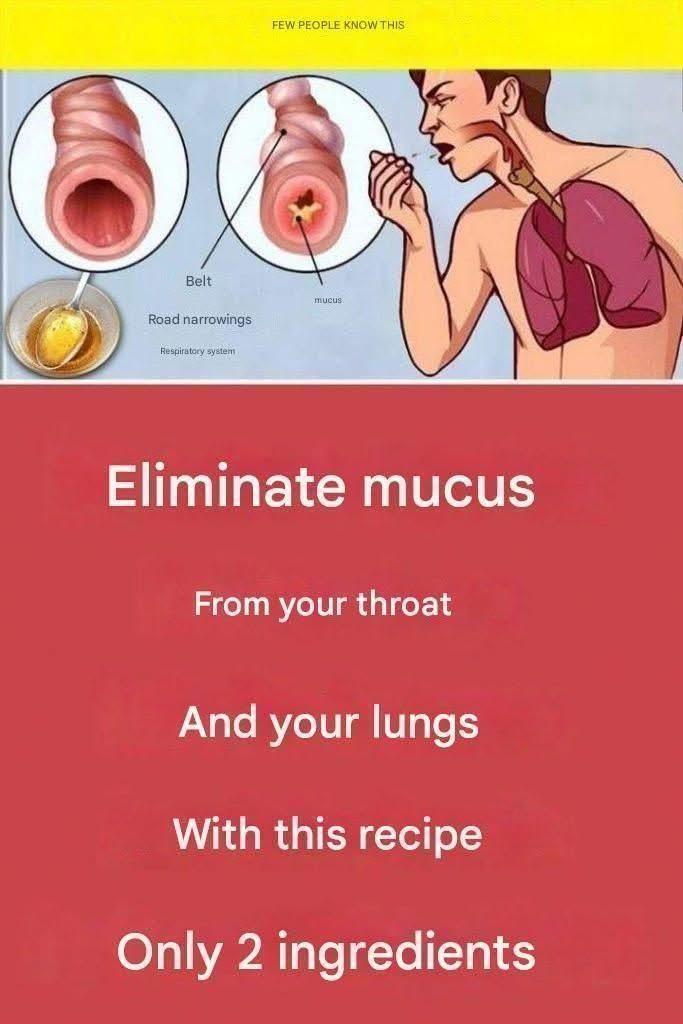
Clear Your Throat and Lungs of Mucus With This Simple 2 Ingredient Recipe

Excess mucus in the throat and lungs can be uncomfortable, irritating, and exhausting. It can make breathing feel heavy, trigger constant throat clearing, cause coughing fits, and even interfere with sleep. Mucus buildup is often linked to colds, allergies, pollution, smoking, sinus issues, or mild respiratory infections. While severe or long-lasting symptoms should always be checked by a doctor, many people look for gentle, natural ways to soothe their airways and support mucus clearance at home.

One of the most popular traditional remedies uses just two simple ingredients you likely already have in your kitchen: ginger and honey. This combination has been used for centuries in many cultures to calm the throat, support the lungs, and help loosen stubborn mucus.

Let’s explore why it works, how to prepare it, and how to use it safely and effectively.


Why Mucus Builds Up in the Throat and Lungs

Mucus itself isn’t bad—it plays a vital role in trapping dust, bacteria, and irritants to protect your respiratory system. Problems arise when your body produces too much mucus or when it becomes thick and sticky, making it difficult to clear.

Common causes include:

  • Colds and flu

  • Seasonal allergies

  • Sinus congestion or postnasal drip

  • Exposure to smoke, dust, or pollution

  • Acid reflux

  • Dehydration

When mucus thickens, it tends to cling to the throat and airways, causing coughing, wheezing, and that constant urge to clear your throat.


The Power of the 2 Ingredients

1. Ginger

Ginger contains natural compounds such as gingerol and shogaol, which have warming, soothing properties. Ginger is traditionally used to:

  • Help loosen thick mucus

  • Support healthy airway function

  • Soothe throat irritation

  • Encourage gentle coughing to clear congestion

Its warming effect can also promote circulation, which may help the body move mucus out more efficiently.

2. Honey

Raw or natural honey is well known for its throat-coating and soothing qualities. Honey:

  • Helps calm irritation in the throat

  • May reduce coughing, especially at night

  • Creates a protective layer over inflamed tissues

  • Supports overall immune comfort

When combined, ginger and honey work together to soothe, loosen, and support natural mucus clearance.


The 2-Ingredient Mucus-Clearing Recipe

Ingredients:

  • 1 tablespoon fresh ginger (grated or finely chopped)

  • 1 tablespoon raw honey

Optional (does not change the base recipe):

  • Warm water (for easier consumption)

Instructions:

  1. Peel a small piece of fresh ginger and grate or finely chop it.

  2. Measure 1 tablespoon of the ginger and place it in a cup.

  3. Add 1 tablespoon of raw honey.

  4. Mix well until combined.

  5. You can eat it directly by the spoon or stir it into half a cup of warm (not boiling) water.


How to Use It for Best Results

  • Take once or twice daily, preferably in the morning and before bed.

  • Sip slowly if mixed with warm water to allow it to coat the throat.

  • For best results, use consistently for several days during congestion.

Many people notice that their throat feels calmer, coughing becomes more productive (helping expel mucus), and breathing feels clearer over time.


Extra Tips to Help Clear Mucus Faster

This recipe works best when combined with healthy habits that thin and reduce mucus:

  • Stay hydrated: Drink plenty of warm fluids to keep mucus thin.

  • Use steam: Inhaling steam from a hot shower or bowl of warm water can help loosen congestion.

  • Avoid irritants: Smoke, strong perfumes, and dust can worsen mucus production.

  • Sleep elevated: Slightly raising your head at night can reduce mucus pooling in the throat.


Who Should Be Careful

While this remedy is gentle, keep these points in mind:

  • Honey should not be given to children under one year old.

  • If you have acid reflux, ginger may worsen symptoms in large amounts—start with small doses.

  • Persistent mucus lasting more than a few weeks, mucus with blood, chest pain, or shortness of breath should be evaluated by a healthcare professional.


Final Thoughts

Clearing mucus from the throat and lungs doesn’t always require complicated treatments. Sometimes, simple, time-tested ingredients can provide real comfort and support. This 2-ingredient ginger and honey recipe is easy to prepare, affordable, and soothing—making it a popular choice for people dealing with congestion, throat irritation, or stubborn mucus.

Used alongside hydration and healthy habits, it can help your airways feel clearer, calmer, and more comfortable—naturally.

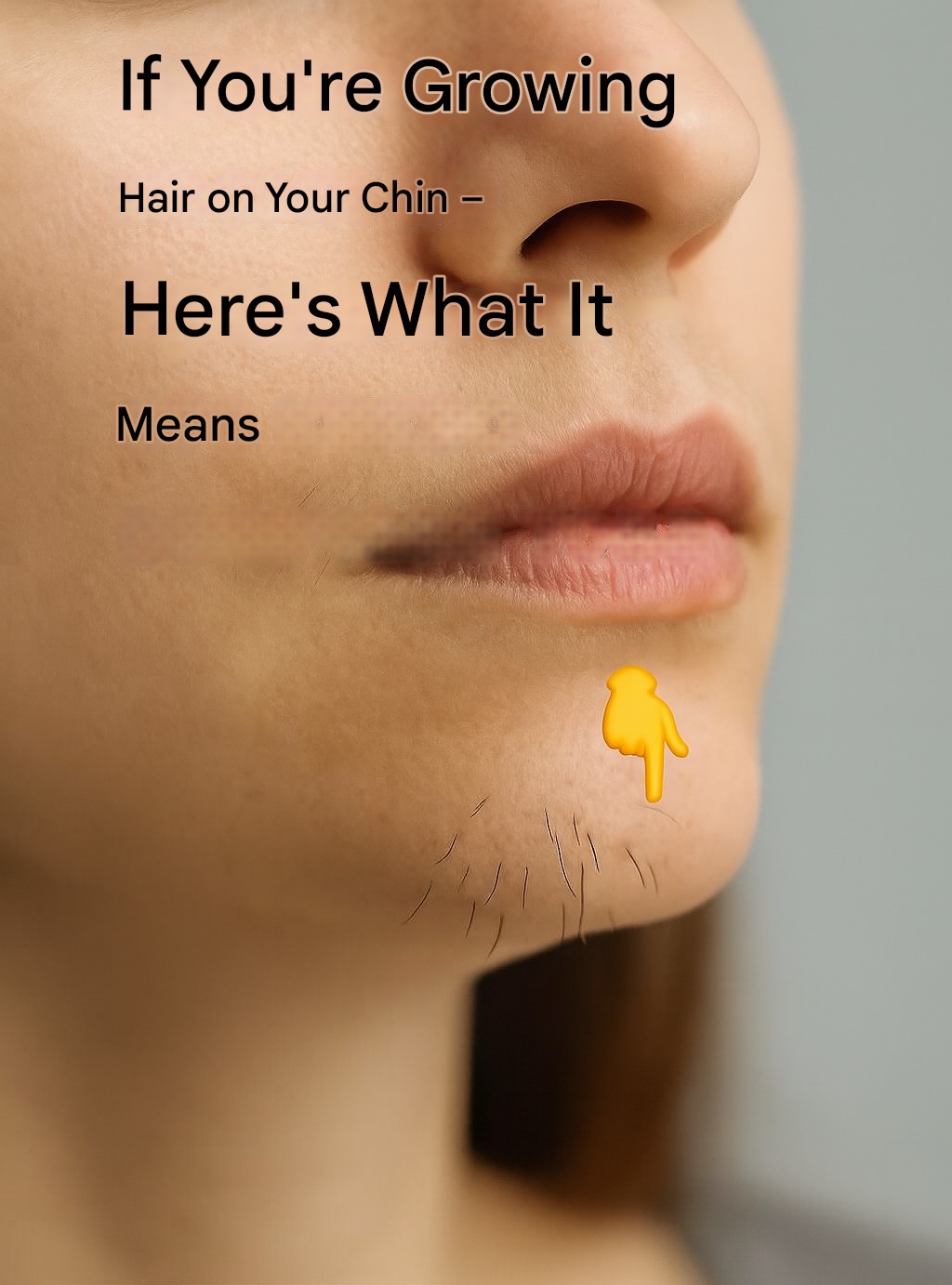
What your chin whiskers could tell you about your health

Finding coarse, dark hairs sprouting from your chin can be surprising—and sometimes worrying. While the occasional chin whisker is usually harmless, persistent or increasing facial hair growth can offer clues about what’s happening inside your body. From natural hormonal shifts to underlying health conditions, your chin hair may be trying to tell you something important. Understanding the possible causes can help you decide when it’s normal—and when it’s worth a closer look.


Hormones: The Most Common Culprit

Hormones play the biggest role in chin hair growth, especially androgens, the so-called “male” hormones like testosterone that are present in both men and women. When androgen levels rise or your hair follicles become more sensitive to them, thicker facial hair can appear.

In women, hormonal changes commonly occur during:

  • Puberty

  • Pregnancy

  • Menopause

During menopause, estrogen levels decline, allowing androgens to have a stronger effect. This is why many women notice new chin whiskers in their 40s or 50s, even if they never had them before.


Polycystic Ovary Syndrome (PCOS)

One of the most well-known medical reasons for excess chin hair in women is polycystic ovary syndrome (PCOS). This hormonal disorder affects millions of women worldwide and is linked to elevated androgen levels.

Signs that chin hair may be related to PCOS include:

  • Irregular or missed periods

  • Acne or oily skin

  • Thinning hair on the scalp

  • Weight gain or difficulty losing weight

If chin hair is accompanied by these symptoms, it’s important to consult a healthcare provider. Early diagnosis of PCOS can help reduce long-term risks such as infertility, diabetes, and heart disease.


Insulin Resistance and Blood Sugar Issues

Excess facial hair can sometimes be linked to insulin resistance, a condition where the body doesn’t respond properly to insulin. High insulin levels can stimulate the ovaries to produce more androgens, encouraging chin hair growth.

Insulin resistance is often associated with:

  • PCOS

  • Prediabetes

  • Type 2 diabetes

If you also experience fatigue, sugar cravings, or unexplained weight gain around the abdomen, chin whiskers could be another subtle warning sign.


Thyroid Imbalances

Your thyroid gland controls metabolism and interacts closely with your hormones. Both hypothyroidism (underactive thyroid) and hyperthyroidism (overactive thyroid) can disrupt hormone balance, potentially leading to changes in hair growth patterns—including facial hair.

Other thyroid-related symptoms may include:

  • Sensitivity to cold or heat

  • Hair thinning on the head

  • Dry skin

  • Mood changes or brain fog

While chin hair alone doesn’t confirm a thyroid issue, it may be one piece of a larger puzzle.


Genetics and Ethnicity

Sometimes, chin whiskers simply run in the family. Genetics strongly influence hair growth patterns, thickness, and color. Certain ethnic backgrounds are naturally predisposed to more visible facial hair due to hair follicle sensitivity rather than health problems.

If your mother, grandmother, or sisters also have chin hair and no health concerns, genetics may be the main explanation.


Stress and Cortisol Levels

Chronic stress raises cortisol, the body’s main stress hormone. Elevated cortisol can interfere with estrogen and progesterone balance, indirectly increasing androgen activity.

Long-term stress may contribute to:

  • Hormonal acne

  • Irregular cycles

  • Increased facial hair

Managing stress through sleep, exercise, and relaxation techniques can sometimes reduce hormone-related symptoms over time.


Medications and Supplements

Certain medications can trigger or worsen chin hair growth. These include:

  • Steroids

  • Hormone therapies

  • Some medications used for epilepsy or high blood pressure

Even some supplements that affect hormone levels may play a role. If chin whiskers appeared after starting a new medication, it’s worth discussing alternatives with your doctor.


When Chin Whiskers Are Likely Harmless

Not all chin hair signals a health problem. Occasional or slow-growing hairs are often part of normal aging. Plucking or removing them doesn’t make them grow back thicker—this is a common myth. The hair may feel coarser simply because it grows back with a blunt tip.


When You Should See a Doctor

Consider seeking medical advice if chin hair:

  • Appears suddenly or worsens rapidly

  • Is accompanied by deepening voice or muscle changes

  • Comes with missed periods, severe acne, or scalp hair loss

These could indicate more significant hormonal imbalances that require evaluation.


The Bottom Line

Chin whiskers are common and often harmless, but they can sometimes be a visible sign of internal changes—especially related to hormones, blood sugar, or stress. Paying attention to your body and any accompanying symptoms can help you decide whether to take action. In many cases, addressing the root cause improves not only unwanted hair growth but overall health and well-being.

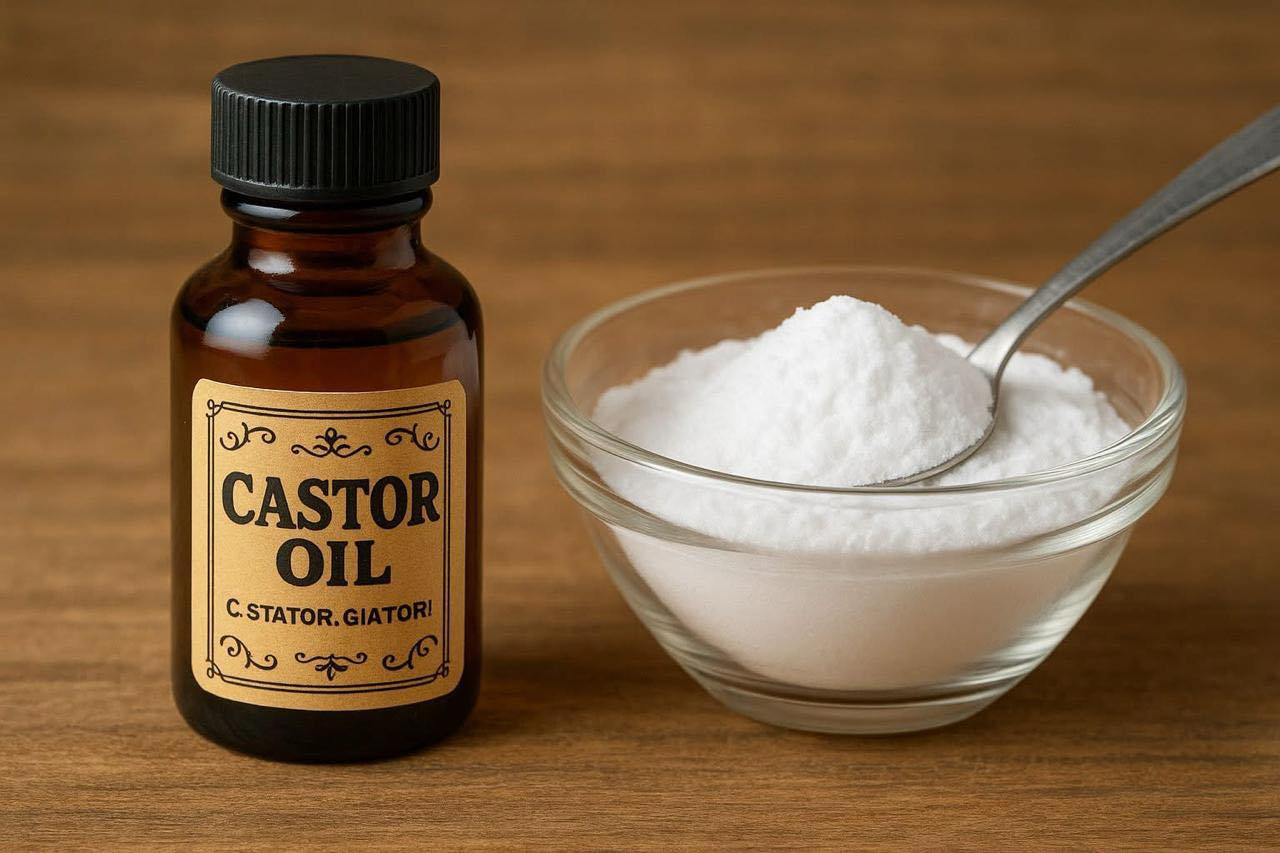
Mix Castor Oil with Baking Soda

The idea of mixing castor oil with baking soda has circulated for years across home-remedy blogs, social media posts, and traditional wellness discussions. Some claim it can help with skin problems, pain, inflammation, or even serious illnesses. While both castor oil and baking soda have legitimate individual uses, combining them requires a clear understanding of what is scientifically supported—and what is not. This article explains the mixture, its proposed uses, possible benefits, and, most importantly, the risks and precautions you should know before trying it.


What Is Castor Oil?

Castor oil is a thick, pale-yellow oil extracted from the seeds of the Ricinus communis plant. It has been used for centuries in traditional medicine and cosmetics. Its main active component is ricinoleic acid, a fatty acid known for its moisturizing and mild anti-inflammatory properties.

Common evidence-based uses of castor oil include:

  • Moisturizing dry skin and hair

  • Supporting scalp health

  • Acting as a mild laxative (when used internally under medical guidance)

  • Softening calluses and rough skin

Castor oil is widely used in cosmetics and pharmaceuticals, but its benefits are often exaggerated online.


What Is Baking Soda?

Baking soda, or sodium bicarbonate, is a mild alkaline substance commonly used in cooking, cleaning, and personal care. It can neutralize acids and has gentle abrasive properties.

Common uses include:

  • Deodorizing odors

  • Gentle exfoliation

  • Temporary relief of itching from insect bites

  • Cleaning teeth and surfaces

However, baking soda can disrupt the skin’s natural pH if overused.


Why Do People Mix Castor Oil and Baking Soda?

The mixture is often promoted in alternative medicine circles as a “natural cure-all.” Claims include:

  • Drawing out toxins

  • Reducing inflammation

  • Shrinking skin growths

  • Relieving joint or muscle pain

  • Improving circulation

These claims are largely anecdotal and not supported by strong scientific evidence. While the ingredients themselves have properties that may soothe or soften skin, the combination does not “cure” diseases.


Possible Benefits (Limited and Surface-Level)

When used externally and cautiously, the mixture may provide temporary cosmetic or comfort benefits, such as:

1. Skin Softening
Castor oil acts as an emollient, while baking soda can gently exfoliate dead skin cells.

2. Mild Massage Effect
When applied with massage, the oil helps reduce friction, which may ease minor muscle stiffness due to improved circulation—not because of any medicinal reaction.

3. Short-Term Itch Relief
Baking soda may help neutralize acidic irritants on the skin, while castor oil prevents excessive dryness.

These effects are mild and comparable to many basic skincare products.


How the Mixture Is Commonly Prepared

A commonly shared ratio is:

  • 1 tablespoon castor oil

  • ½ teaspoon baking soda

The mixture is stirred until a paste forms and applied externally for a short period, usually 10–20 minutes, then washed off.

⚠️ This should never be ingested.


Important Risks and Warnings

This is where caution is essential.

1. Skin Irritation and Burns
Baking soda is alkaline and can disrupt the skin’s natural protective barrier. Repeated use may cause:

  • Redness

  • Dryness

  • Burning or itching

  • Worsening of sensitive skin conditions

2. Not Safe for Long-Term Use
Using this mixture frequently can damage the skin microbiome and lead to chronic irritation.

3. No Proof of “Detox” or Disease Treatment
There is no scientific evidence that castor oil and baking soda can:

  • Remove toxins from the body

  • Treat tumors, cysts, or chronic pain conditions

  • Cure arthritis, infections, or internal diseases

Relying on such remedies may delay proper medical care.

4. Dangerous Claims Online
Some sources falsely claim the mixture can treat serious illnesses. These claims are misleading and potentially harmful.


Who Should Avoid This Mixture?

  • People with sensitive skin or eczema

  • Children and elderly individuals

  • Pregnant or breastfeeding women

  • Anyone with open wounds or skin infections

Always perform a patch test before applying anything new to your skin.


Safer Alternatives

If your goal is:

  • Moisturizing → Use plain castor oil or a dermatologist-approved cream

  • Exfoliation → Use gentle exfoliants designed for skin

  • Pain relief → Use medically approved topical treatments or consult a healthcare provider


Final Thoughts

Mixing castor oil with baking soda is a traditional home remedy that may offer mild, short-term skin comfort when used sparingly and externally. However, it is not a miracle cure, not a detox solution, and not a replacement for medical treatment. The biggest danger lies not in the mixture itself, but in the exaggerated claims surrounding it.

If you choose to try it, do so cautiously, infrequently, and with realistic expectations. When it comes to persistent pain, skin problems, or any medical condition, professional medical advice remains the safest and most effective path.

If Dark Hairs Appear on Your Chin, This May Be a Sign That Your Hormones Are Out of Balance

Noticing a few dark, coarse hairs appearing on your chin can be surprising—and sometimes worrying. While occasional facial hair is common and often harmless, persistent or increasing chin hair in women can sometimes signal underlying changes in the body. In many cases, it points to hormonal imbalance, especially involving androgens (male-type hormones such as testosterone). Understanding what your body may be trying to tell you can help you decide whether simple lifestyle changes are enough—or if it’s time to seek medical advice.


Why Chin Hair Happens

Everyone has facial hair, but most of it is fine and light (called vellus hair). When hormones shift, some of this hair can become thicker, darker, and more noticeable (terminal hair). The chin and jawline are particularly sensitive to androgen levels, which is why changes often show up there first.

A few stray hairs from time to time are usually normal. However, sudden growth, rapid increase, or hair that becomes very coarse deserves closer attention.


1. Hormonal Imbalance (Most Common Cause)

The most frequent reason for dark chin hair in women is an imbalance between estrogen and androgens.

When androgen levels rise—or estrogen levels fall—hair follicles on the face may respond by producing thicker hair. This can happen even if blood tests show “normal” hormone levels, because sensitivity at the follicle level also matters.

Possible signs that accompany hormonal imbalance include:

  • Irregular or missed periods

  • Acne, especially along the jawline

  • Oily skin

  • Thinning hair on the scalp

  • Mood swings or fatigue


2. Polycystic Ovary Syndrome (PCOS)

One of the most well-known conditions linked to chin hair is PCOS, a hormonal disorder affecting millions of women worldwide.

PCOS often leads to elevated androgen levels, which can cause:

  • Chin, upper lip, or chest hair

  • Irregular menstrual cycles

  • Weight gain or difficulty losing weight

  • Acne

  • Fertility challenges

Not every woman with chin hair has PCOS, but if facial hair appears alongside irregular periods or persistent acne, it’s worth discussing screening with a healthcare professional.


3. Insulin Resistance and Blood Sugar Issues

Insulin resistance—when the body doesn’t respond properly to insulin—can indirectly increase androgen production. This is why chin hair growth is sometimes seen in women with:

  • Prediabetes

  • Type 2 diabetes

  • Metabolic syndrome

High insulin levels stimulate the ovaries to produce more androgens, which can trigger facial hair growth. Managing blood sugar through diet, movement, and medical care often improves symptoms over time.


4. Perimenopause and Menopause

As women approach their 40s and 50s, estrogen levels naturally decline. Even if androgen levels stay the same, the balance shifts, allowing male-type hormones to become more noticeable.

This is why many women first notice chin hairs during perimenopause or after menopause. It’s very common—and usually not dangerous—but it can still feel distressing.


5. Genetics and Ethnicity

Sometimes, chin hair is simply genetic. If women in your family have similar hair growth patterns, you may be predisposed to it. Certain ethnic backgrounds are also more likely to experience darker or coarser facial hair due to natural hair characteristics rather than illness.

In these cases, chin hair does not necessarily signal a health problem.


When Chin Hair Could Be a Red Flag

While rare, sudden or extreme hair growth accompanied by other symptoms may require urgent medical evaluation.

Watch for:

  • Rapid onset of facial and body hair

  • Deepening of the voice

  • Increased muscle mass

  • Severe acne

  • Changes in libido

These signs could point to adrenal or ovarian disorders that need prompt attention.


What You Can Do About It

1. Don’t panic
A few chin hairs are common and often manageable.

2. Track other symptoms
Note changes in your cycle, skin, weight, or energy levels.

3. Support hormonal health naturally

  • Eat balanced meals with protein, fiber, and healthy fats

  • Limit refined sugars and ultra-processed foods

  • Manage stress (high cortisol worsens hormone imbalance)

  • Prioritize sleep

4. Hair removal options

  • Tweezing or threading for occasional hairs

  • Waxing or depilatory creams (test skin first)

  • Laser or electrolysis for long-term solutions

5. Seek medical advice if needed
A doctor can run hormone tests, assess insulin levels, and guide treatment if an underlying condition is found.


The Bottom Line

If dark hairs appear on your chin, it may be a sign that your hormones are shifting, not that something is “wrong” with you. In many cases, it’s a normal response to aging, genetics, or mild hormonal changes. However, when chin hair is persistent, worsening, or accompanied by other symptoms, it can be an important clue worth listening to.

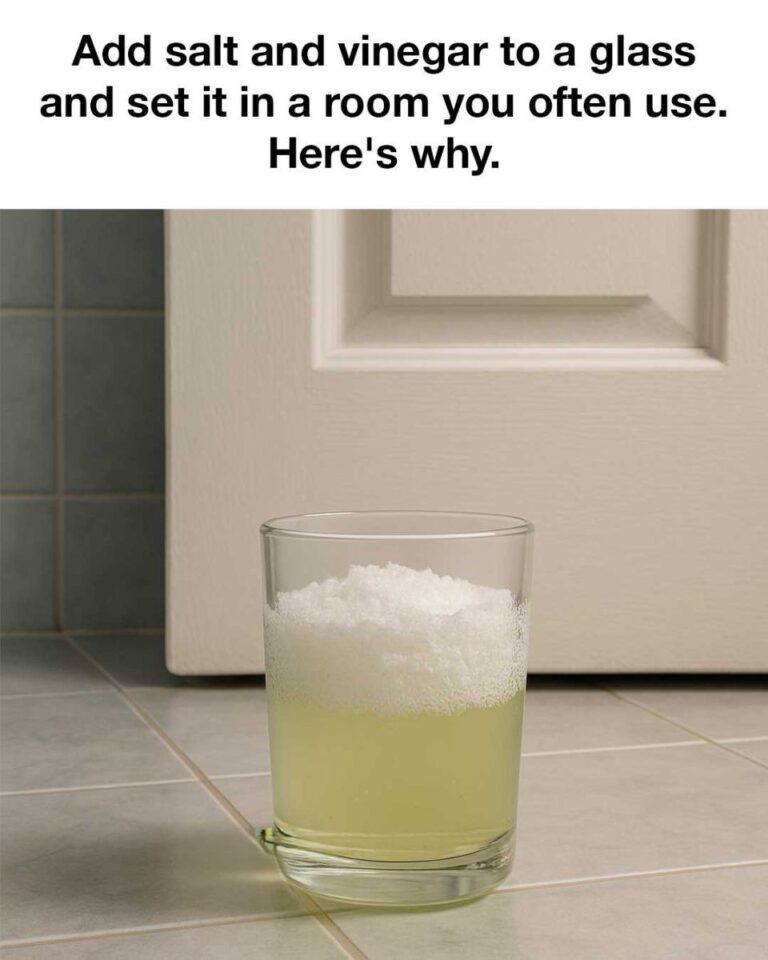
Add Salt and Vinegar to a Glass and Set It in a Room You Often Use Here’s Why

Add Salt and Vinegar to a Glass and Set It in a Room You Often Use—Here’s Why

You may have heard people recommend placing a simple mixture of salt and vinegar in a glass in your home. While it seems almost too simple to work, this age-old trick is gaining popularity for its surprising benefits. From purifying the air to improving mood and even protecting against bacteria, this easy mixture can become a secret tool in your wellness routine.

The Simple Science Behind Salt and Vinegar

Salt and vinegar are household staples with more uses than most people realize. Here’s why this mixture is so powerful:

  • Salt (sodium chloride): Naturally absorbs moisture and can capture impurities in the air. It has been used for centuries in air purification and preservation.

  • Vinegar (acetic acid): Known for its antibacterial and antifungal properties. Vinegar can help neutralize odors and even reduce airborne bacteria.

  • The combination: When combined in a glass, the mixture releases subtle compounds that interact with the air in your home, creating a cleaner, fresher environment.

Keywords: salt and vinegar benefits, natural air purifier, home detox hacks, household remedies

How to Prepare the Mixture

Creating your own salt and vinegar air enhancer is simple:

Ingredients

  • 1/2 cup table salt or sea salt

  • 1/2 cup white vinegar

  • A small glass or jar

Instructions

  1. Pour the salt into the glass.

  2. Slowly add the vinegar over the salt. It will fizz slightly—this is normal.

  3. Place the glass in a room you often use, such as your bedroom, living room, or office.

  4. Leave it for several hours or even overnight to allow it to interact with the air.

Pro tip: Replace the mixture every 24–48 hours for maximum effect.

Benefits of Placing Salt and Vinegar in a Room

While research on this specific combination is limited, many people report noticeable effects. Here are the most commonly observed benefits:

1. Natural Air Purifier

  • Absorbs moisture from the air, reducing humidity

  • Captures dust and airborne particles

  • Helps neutralize unpleasant odors

2. Fights Bacteria and Germs

  • Vinegar’s acetic acid can inhibit the growth of certain bacteria

  • Salt acts as a natural preservative and can reduce microbial activity in the air

  • Together, they create a mild antibacterial environment in your room

3. Enhances Mood and Mental Clarity

  • Some claim that this mixture helps reduce stress and anxiety

  • Fresh, clean air can improve focus and sleep quality

  • May support overall well-being in spaces where you spend the most time

4. Reduces Odors Naturally

  • Vinegar neutralizes strong odors from cooking, pets, or smoke

  • Salt absorbs lingering smells, keeping your room smelling fresher

  • A chemical-free alternative to artificial air fresheners

Keywords: natural air freshener, DIY home remedies, salt vinegar room trick, odor remover

Where to Place the Glass for Maximum Effect

Placement is key to getting the most out of this simple trick:

  • Bedroom: Helps improve air quality while you sleep, promoting relaxation

  • Kitchen: Reduces lingering cooking odors

  • Living room: Creates a fresher environment in areas you spend a lot of time

  • Home office: May boost concentration and reduce stress from stale air

Pro tip: Keep it away from children or pets who might knock it over.

Things to Keep in Mind

While this mixture is safe and natural, there are a few things to consider:

  • It won’t replace regular cleaning or ventilation. Open windows and clean surfaces regularly.

  • The effect may be subtle. Don’t expect dramatic odor removal overnight.

  • Use white vinegar, as other types can stain or leave stronger odors.

  • Refresh the mixture every 1–2 days for optimal results.

Other Uses for Salt and Vinegar Around the Home

The salt and vinegar combo is versatile. You can use it for:

  • Cleaning surfaces: Mix equal parts salt and vinegar to scrub stubborn stains

  • Deodorizing drains: Pour it down sinks to neutralize odors

  • Preserving foods: Salt and vinegar have long been used for pickling and preservation

  • Deterring pests: Some insects dislike vinegar, making it a natural repellent

Final Thoughts

Sometimes the simplest solutions are the most effective. Placing a glass of salt and vinegar in a frequently used room may help improve air quality, reduce odors, and support a healthier environment naturally. While it’s not a substitute for professional cleaning or air purifiers, this low-cost, chemical-free hack is worth trying in any home.

Whether you’re looking for a natural way to freshen your space, reduce bacteria, or simply experiment with a simple home remedy, salt and vinegar are powerful allies. Try it for a week, notice the subtle changes, and make it part of your wellness routine.

Keywords: salt and vinegar home hack, natural air purifier, DIY wellness tips, chemical-free cleaning, air freshening tricks

Green Onions Scallions Leeks and Chives Understanding the Subtle Differences

At first glance, green onions, scallions, leeks, and chives all look like “green onion-y things.” They’re long, thin, and green, and they’re often used interchangeably in recipes. But these four ingredients are not the same. Understanding their differences can help you elevate your dishes, whether you’re cooking, garnishing, or enhancing flavors.

Green Onions vs Scallions: What’s the Difference?

Many people use the terms green onions and scallions interchangeably—and for good reason. They are essentially the same plant, but terminology can vary by region.

Key characteristics:

  • Long, thin stalks with a white bulb at the base

  • Mild onion flavor, not as pungent as regular onions

  • Both the green tops and white bottoms are edible

Best uses in cooking:

  • Sautéed in stir-fries

  • Garnishing soups, salads, and tacos

  • Adding a mild onion flavor without overpowering dishes

Pro tip: The white part is best for cooking, while the green tops shine as a fresh garnish.

Leeks: The Gentle Giant of the Onion Family

Leeks look similar to green onions but are much larger and have a subtler, sweeter taste. They are a staple in soups, stews, and braised dishes.

Key characteristics:

  • Thick white base that transitions to broad green leaves

  • Sweet, mild flavor

  • Requires more cleaning because dirt often hides between the layers

Best uses in cooking:

  • Creamy potato-leek soup

  • Braised or roasted as a side dish

  • Adding gentle onion flavor to casseroles and quiches

Pro tip: Only the white and light green parts are typically eaten; the dark green leaves are too tough but can flavor stocks.

Chives: The Delicate Herb

Chives may look like tiny green onions, but they are an herb, not a vegetable. They have a subtle onion flavor that can enhance dishes without overwhelming them.

Key characteristics:

  • Thin, hollow green stalks

  • Mild, slightly garlicky onion flavor

  • Often used fresh rather than cooked

Best uses in cooking:

  • Garnishing baked potatoes, soups, and omelets

  • Mixing into creamy dips and spreads

  • Adding a bright, fresh flavor at the end of cooking

Pro tip: Chop chives just before serving to preserve their color and delicate flavor.

How to Choose the Right “Green Onion-y Thing”

The choice between green onions, leeks, scallions, and chives depends on flavor, texture, and presentation:

  • Flavor: Leeks offer sweetness, green onions add mild pungency, and chives provide delicate onion notes.

  • Texture: Leeks are firm and hearty, while scallions and green onions are tender, and chives are soft and fine.

  • Presentation: Chives and green onion tops are great for garnishes, whereas leeks add visual heft and richness to cooked dishes.

Quick guide for substitution:

  • Need a mild onion flavor? Use green onions or scallions.

  • Want a sweet, cooked onion flavor? Use leeks.

  • Looking for a delicate garnish? Use chives.

Cleaning and Preparing

Proper preparation ensures the best flavor and texture:

  • Green onions/scallions: Trim the root end and remove any wilted outer layers.

  • Leeks: Slice lengthwise and rinse under running water to remove grit.

  • Chives: Rinse and pat dry; no peeling required.

Flavor Pairings

These green onion-y ingredients can complement many dishes:

  • Green onions/scallions: Asian stir-fries, tacos, omelets, salads

  • Leeks: Soups, quiches, risottos, roasted vegetable dishes

  • Chives: Creamy dips, baked potatoes, egg dishes, fresh salads

Storage Tips

  • Green onions/scallions: Store in the fridge, either wrapped in a damp paper towel or standing in water with a plastic bag over the tops.

  • Leeks: Wrap in a damp cloth and refrigerate for up to a week.

  • Chives: Keep in a small container with a damp paper towel, or freeze for longer storage.

Final Thoughts

Though green onions, scallions, leeks, and chives may look similar, each has its own flavor, texture, and culinary purpose. Knowing the subtle differences allows you to:

  • Enhance the taste of your dishes

  • Add the perfect visual appeal

  • Avoid over- or under-powering your recipes

Next time you reach for a green stalk in the kitchen, take a closer look. Picking the right one could transform your cooking from ordinary to extraordinary.

Keywords: green onions, scallions, leeks, chives, differences between green onions and scallions, cooking with leeks, chives for garnish, onion family vegetables

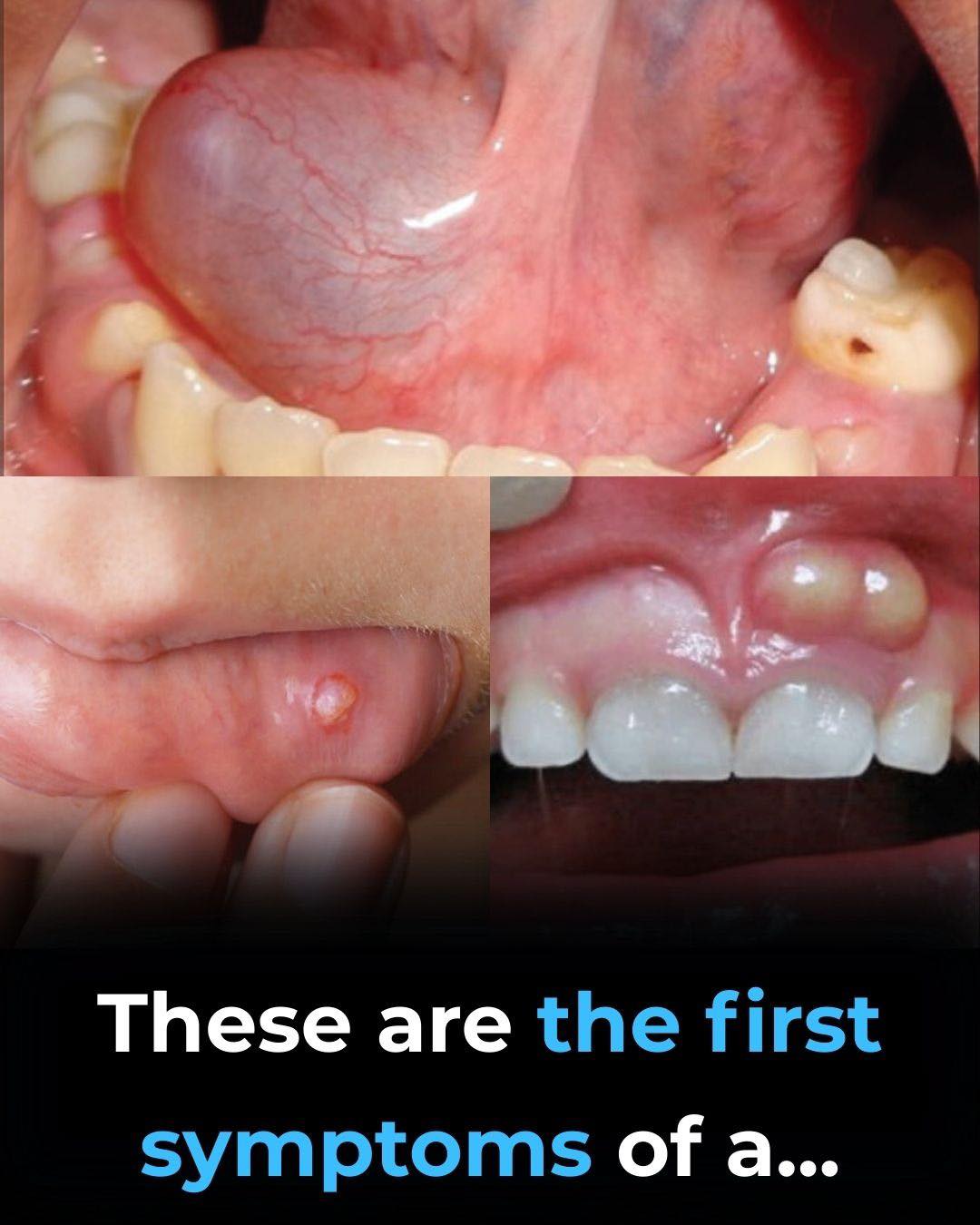
Hidden Dangers in Your Mouth Early Signs of Oral Cancer

Hidden Dangers in Your Mouth: Early Signs of Oral Cancer

Oral health is often overlooked until a problem becomes severe, but some issues can be much more serious than cavities or gum disease. Oral cancer is one of these hidden dangers. Early detection can save lives, yet many people ignore subtle warning signs. Understanding the early symptoms and risk factors is crucial to protecting your health.

What Is Oral Cancer?

Oral cancer refers to malignant growths that develop in the mouth, lips, tongue, cheeks, or throat. It is a type of head and neck cancer and can spread rapidly if not detected early. According to health organizations, thousands of cases are diagnosed every year, and survival rates improve dramatically when caught in the early stages.

Key risk factors include:

  • Tobacco use (smoking and chewing)

  • Excessive alcohol consumption

  • Human papillomavirus (HPV) infection

  • Prolonged sun exposure (especially for lips)

  • Poor oral hygiene

Early Signs of Oral Cancer

Recognizing the early signs of oral cancer can mean the difference between life and death. Here are the most common symptoms to watch for:

1. Persistent Mouth Sores or Ulcers

  • Sores that don’t heal within two weeks

  • Painful or tender spots on lips, gums, or tongue

  • Bleeding from an unexplained sore

2. White or Red Patches in the Mouth

  • Leukoplakia (white patches)

  • Erythroplakia (red patches)

  • Often painless but can become malignant over time

3. Unexplained Pain or Numbness

  • Lingering pain in the tongue or jaw

  • Numbness in parts of the mouth

  • Difficulty chewing or swallowing

4. Lumps or Thickened Areas

  • Growths inside the mouth or on the lips

  • Hardening of tissues

  • Swelling that doesn’t subside

5. Changes in Speech or Eating Habits

  • Slurred speech

  • Difficulty moving the tongue

  • Unexplained weight loss due to painful chewing

Who Is at Risk?

While oral cancer can affect anyone, certain individuals are at higher risk. Being aware of these factors can encourage timely screening:

  • Smokers and tobacco users: The risk is significantly higher for long-term users.

  • Heavy drinkers: Alcohol can irritate mouth tissues and increase cancer risk.

  • Individuals with HPV: A sexually transmitted virus linked to oral cancers.

  • Older adults: People over 40 have a higher likelihood of developing mouth cancer.

  • Those with poor dental hygiene: Chronic inflammation and infections may contribute to cancerous changes.

How Oral Cancer Is Diagnosed

If you notice any of the symptoms mentioned, visit a dentist or doctor immediately. Early detection is crucial. Diagnostic steps may include:

  • Oral examination: Dentists can spot unusual changes in the mouth.

  • Biopsy: Tissue samples are taken to check for cancer cells.

  • Imaging tests: CT scans, MRI, or X-rays can detect tumor growth.

  • HPV testing: In certain cases, to determine viral involvement.

Prevention and Early Detection

While some risk factors are unavoidable, several measures can help reduce the risk of oral cancer:

  • Quit smoking and tobacco use: The most effective prevention step.

  • Limit alcohol intake: Reduce heavy drinking to lower risk.

  • Maintain good oral hygiene: Brush, floss, and schedule regular dental checkups.

  • Protect lips from the sun: Use SPF lip balm during prolonged outdoor exposure.

  • Self-exams: Check your mouth for any unusual sores, lumps, or color changes.

  • Regular dental screenings: Professional exams can detect precancerous conditions early.

Why Early Detection Matters

Oral cancer detected in its early stages has a significantly higher survival rate. Late-stage diagnosis often requires invasive surgery, chemotherapy, or radiation therapy, and recovery can be challenging. Being proactive and attentive to early warning signs increases the chances of successful treatment and a full recovery.

Final Thoughts

Your mouth can reveal a lot about your overall health. Paying attention to subtle changes and understanding the early signs of oral cancer can save your life. If you notice persistent sores, unusual patches, lumps, or unexplained pain, don’t wait—schedule a dental appointment immediately. Remember, early detection is your most powerful defense against oral cancer.

Keywords to remember: oral cancer signs, symptoms of mouth cancer, early detection of oral cancer, dental health, oral health tips.

What does it mean when a person who has passed away appears in your dream. It should make you think

Dreams are strange, fleeting glimpses of the subconscious mind, often leaving us with lingering emotions that can be both comforting and unsettling. One of the most powerful and emotionally charged dreams is when someone who has passed away appears. Such dreams can evoke a wide range of feelings—grief, nostalgia, fear, even joy—and they often leave us questioning their meaning. To truly understand what it might signify when a deceased person shows up in your dream, it’s worth exploring the psychological, spiritual, and symbolic dimensions of such experiences.

From a psychological perspective, dreams are often a reflection of unresolved emotions. The appearance of someone who has passed away may indicate that your mind is processing grief or loss that you may not have fully acknowledged while awake. Grief is not a linear process; it ebbs and flows, sometimes unexpectedly. Seeing a loved one in a dream could signify that you are still integrating their absence into your life. Your subconscious may use the dream as a safe space to express feelings you may not confront during the day—longing, guilt, regret, or even anger. For instance, if the dream involves conversation with the deceased, it may reflect your desire for closure, or it could represent an internal dialogue where you are seeking guidance or reassurance from someone you once trusted deeply.

On a symbolic level, deceased individuals in dreams often embody qualities or lessons that your mind is trying to highlight. Psychologists like Carl Jung believed that dreams use symbols to communicate hidden truths or insights. A departed loved one might symbolize wisdom, strength, or unresolved issues from your past. Their appearance could be a reminder to pay attention to certain aspects of your life—perhaps lessons they taught you, habits you shared, or unresolved conflicts that need addressing. In some cases, the dream may not be about the person themselves, but about the emotions they represent. For example, dreaming of a nurturing grandmother could symbolize your need for comfort or guidance in a current situation, whereas a stern parent appearing might reflect guilt, judgment, or a moral lesson your subconscious is emphasizing.

Beyond psychology, many cultures and spiritual traditions interpret these dreams as messages from the other side. In some belief systems, dreaming of the deceased is seen as a visit from the soul or spirit of the person, often intended to provide comfort, guidance, or warning. For instance, in some Eastern traditions, such dreams are believed to indicate that the spirit is at peace and is trying to communicate reassurance to the living. In Western spiritual traditions, particularly in folklore, such dreams can be interpreted as a sign that the deceased is watching over you or attempting to convey an important message. The context of the dream—the setting, the emotions experienced, and the actions of the deceased—often plays a crucial role in determining the meaning. A calm, loving interaction may be a symbol of protection and reassurance, while a disturbing or frightening dream might indicate unresolved conflict or unfinished business.

There is also a reflective, introspective aspect to consider. Dreaming of someone who has passed away often makes us confront our own mortality and the transient nature of life. These dreams can be deeply philosophical, prompting thoughts about the fragility of existence, the value of relationships, and the way we process memories. They remind us that the people we lose continue to live on in our hearts, influencing our decisions, behaviors, and even our dreams. In a way, these dreams serve as bridges between past and present, between what was and what continues to shape us, urging us to examine how we carry the memory of the departed in our daily lives.

It’s also worth noting that the emotional tone of the dream can provide insight. If the dream leaves you feeling comforted, it may indicate acceptance and healing. If it evokes fear or sadness, it could suggest unresolved grief or lingering emotional attachment. Reflecting on your waking life circumstances—recent losses, major life changes, or unresolved conflicts—can help you interpret why the deceased person appeared now, at this particular moment. Often, these dreams arrive at times when your subconscious needs guidance, reassurance, or closure, even if you are not fully aware of it while awake.

Finally, seeing a deceased person in your dream can encourage personal growth and introspection. It can make you think about the nature of life, death, and the legacies we leave behind. It may push you to reach out to loved ones, express feelings you have long held back, or resolve lingering conflicts. It reminds you that life is fragile and that every relationship has the power to leave a lasting impact. Whether viewed as a psychological manifestation, a spiritual encounter, or a symbolic reflection, these dreams are a reminder that those who have passed continue to influence our journey, teaching lessons, offering comfort, or challenging us to face emotions we might otherwise ignore.

In essence, when a deceased person appears in your dream, it is an invitation to pause, reflect, and feel. It makes you think about your emotional landscape, the bonds that transcend death, and the inner workings of your own heart and mind. It asks you to confront unresolved feelings, cherish memories, and consider how the influence of the departed continues to shape your present. These dreams are not mere figments of imagination—they are windows into the complex, often mysterious dialogue between memory, emotion, and the subconscious mind, urging you to explore the depths of your own humanity.

As a Doctor I am SHOCKED THIS Vitamin Raises Stroke Risk Overnight

When it comes to vitamins, most of us assume they are harmless—or even beneficial—in virtually any dose. After all, we’ve been told that they can boost our immunity, improve our energy, and support heart and brain health. But what if one commonly taken vitamin could actually increase your risk of stroke almost overnight? That’s exactly what recent research is warning about, and as a doctor, I can’t stress enough how serious this could be for millions of people.

The Vitamin in Question: Vitamin E

Vitamin E is a fat-soluble antioxidant, long celebrated for its ability to protect cells from damage, improve skin health, and even support cognitive function. Many people take it daily in the form of capsules, often as part of anti-aging regimens or to support heart health. It’s available over-the-counter, widely marketed, and generally considered safe.

But here’s the shocking part: several large-scale studies and meta-analyses have now linked high doses of Vitamin E supplementation to a significant increase in stroke risk, particularly hemorrhagic stroke—the type caused by bleeding in the brain.

How Does Vitamin E Raise Stroke Risk?

The mechanism behind this is surprisingly straightforward. Vitamin E is known to have a blood-thinning effect, similar in some ways to low-dose aspirin. While this can sound beneficial for preventing heart attacks or clots, it also comes with a dangerous downside. By reducing blood clotting, high doses of Vitamin E can increase the likelihood of bleeding, including bleeding in the brain. Hemorrhagic strokes are often far more severe than ischemic strokes and carry a higher risk of long-term disability or death.

Research shows that doses exceeding 400 IU per day may be particularly risky. While the recommended dietary allowance (RDA) for Vitamin E is around 15 mg per day (roughly 22 IU) for adults, many supplements provide 10 to 20 times this amount—well beyond what most people actually need. This is a classic example of “more is not always better.”

Evidence from Studies

One of the landmark studies on this topic was a meta-analysis published in the Annals of Internal Medicine, which examined over 135,000 participants across multiple trials. The researchers found that individuals taking high-dose Vitamin E had a 22% higher risk of hemorrhagic stroke compared to those not supplementing.

Another study from the New England Journal of Medicine looked specifically at elderly adults who were taking Vitamin E supplements for heart disease prevention. Alarmingly, the data suggested that these individuals were significantly more likely to experience bleeding-related strokes, especially if they were also on other medications such as blood thinners or anti-inflammatory drugs.

Even more concerning is that these strokes often occur without warning, which is why some experts describe the risk as “overnight.” A person may be perfectly healthy one day, take their usual supplement, and then suddenly face a catastrophic brain bleed the next.

Who Is Most at Risk?

Not everyone taking Vitamin E will experience stroke, but certain groups are particularly vulnerable:

  1. People on blood-thinning medications – Coumadin, warfarin, or aspirin users may face compounded bleeding risks.

  2. Elderly individuals – The blood-thinning effects of Vitamin E are more pronounced in older adults, who already have fragile blood vessels.

  3. High-dose supplement users – Daily doses exceeding 400 IU are associated with the greatest risk.

  4. Those with a history of hemorrhagic stroke or bleeding disorders – Any additional anticoagulant effect can be dangerous.

Safe Ways to Get Vitamin E

Before anyone panics and throws out all their supplements, it’s important to understand that Vitamin E is still essential for health, but food sources are far safer than high-dose pills. Nuts, seeds, spinach, and avocado provide Vitamin E in amounts your body can safely process. These sources rarely cause blood-thinning complications, unlike concentrated supplements.

For most adults, a balanced diet easily meets the RDA for Vitamin E. If supplementation is necessary—such as for certain medical conditions—it should be done under the supervision of a healthcare professional, who can determine a safe dose and monitor for potential risks.

Signs You May Be Taking Too Much

Some early warning signs of excessive Vitamin E intake include:

  • Unusual bruising or bleeding

  • Nosebleeds

  • Gum bleeding

  • Gastrointestinal upset

  • Fatigue or dizziness

If any of these symptoms occur, it’s crucial to stop supplementation immediately and consult a doctor.

The Bottom Line

Vitamins are not inherently harmless. While they can offer real health benefits, high-dose Vitamin E supplements have been shown to increase the risk of life-threatening hemorrhagic strokes. The danger is real, it can occur suddenly, and many people are unaware of it.

As a doctor, my advice is simple: stop taking high-dose Vitamin E supplements unless medically prescribed, prioritize natural food sources, and discuss any supplementation with your healthcare provider. Protecting your brain and heart is not about megadoses—it’s about balance, moderation, and being informed.

In the world of health, sometimes the most common assumptions—like “vitamins are always safe”—can be the most dangerous. Vitamin E is a perfect example: a supplement many take daily with good intentions, yet one that could pose a hidden, immediate threat to life.

What happens to your blood pressure if you eat bananas every day

Eating bananas every day can have a noticeable and generally positive effect on your blood pressure, especially when they are part of a balanced diet. Bananas are widely known for their potassium content, but their impact on blood pressure goes beyond a single nutrient. Understanding how bananas interact with your cardiovascular system can help you make smarter dietary choices for long-term heart health.

The Role of Potassium in Blood Pressure Control

One of the main reasons bananas are linked to healthier blood pressure levels is their high potassium content. Potassium is an essential mineral that helps regulate fluid balance, nerve signals, and muscle contractions—including the muscles that control your heart and blood vessels. A medium-sized banana contains about 400–450 milligrams of potassium, which contributes meaningfully toward the daily recommended intake.

Potassium helps counteract the effects of sodium in the body. Sodium tends to cause the body to retain water, which increases blood volume and, in turn, raises blood pressure. Potassium encourages the kidneys to excrete excess sodium through urine. When sodium levels drop, pressure on blood vessel walls is reduced, leading to lower blood pressure. Eating bananas daily can therefore support a healthier sodium–potassium balance, particularly for people who consume salty foods.

How Bananas Affect Blood Vessels

Potassium doesn’t just influence fluid balance—it also affects the way blood vessels function. Adequate potassium intake helps blood vessels relax and widen, a process known as vasodilation. When blood vessels are relaxed, blood flows more easily, reducing resistance and lowering blood pressure. This effect is especially beneficial for people with prehypertension or mild hypertension.

Bananas also contain magnesium, another mineral that plays a role in blood vessel relaxation. Although bananas are not extremely high in magnesium, regular consumption contributes to overall intake, supporting cardiovascular function over time.

Impact on Systolic and Diastolic Blood Pressure

Studies consistently show that diets rich in potassium are associated with lower systolic (top number) and diastolic (bottom number) blood pressure. Eating bananas every day may lead to modest but meaningful reductions, especially when combined with other healthy habits such as reducing salt intake, staying physically active, and maintaining a healthy weight.

For people with normal blood pressure, daily banana consumption can help maintain stable levels and reduce the risk of developing hypertension later in life. For those already diagnosed with high blood pressure, bananas can be a supportive dietary addition—but they should not replace prescribed medications or medical advice.

Bananas and Heart Health Beyond Blood Pressure

Lower blood pressure is just one part of the cardiovascular benefits of eating bananas regularly. Bananas are rich in antioxidants and fiber, both of which support heart health. Dietary fiber helps regulate cholesterol levels by reducing the absorption of LDL (“bad”) cholesterol in the bloodstream. Lower cholesterol reduces plaque buildup in arteries, improving blood flow and reducing strain on the heart.

Bananas also contain vitamin B6, which helps reduce levels of homocysteine—an amino acid linked to an increased risk of heart disease when present in high amounts. Together, these nutrients create a heart-friendly package that supports overall cardiovascular wellness.

Who Benefits the Most from Daily Banana Consumption?

People who are sensitive to sodium, those with early-stage hypertension, and individuals whose diets are low in fruits and vegetables tend to see the greatest blood pressure benefits from eating bananas daily. Older adults may also benefit, as potassium requirements increase with age while kidney efficiency may decline.

Athletes and physically active individuals often lose potassium through sweat, and bananas can help replenish this loss, preventing electrolyte imbalances that could affect blood pressure regulation.

When Bananas May Not Be Ideal

While bananas are generally safe and healthy, they may not be suitable for everyone. People with kidney disease or impaired kidney function need to be cautious with potassium intake. When kidneys cannot efficiently remove excess potassium, levels in the blood can rise too high, potentially leading to heart rhythm problems. In such cases, daily banana consumption should be discussed with a healthcare provider.

Additionally, bananas contain natural sugars and carbohydrates. While they do not directly raise blood pressure, excessive consumption—especially in people with diabetes—should be balanced with other low-glycemic foods.

How Many Bananas Are Enough?

For most healthy adults, one banana per day is sufficient to support blood pressure health. Some people may safely eat two, especially if they are physically active and consume a low-sodium diet. However, more is not necessarily better. Balance is key, and bananas should be part of a varied diet that includes other potassium-rich foods such as leafy greens, beans, avocados, and sweet potatoes.

The Bigger Picture

Eating bananas every day can help lower or stabilize blood pressure by improving potassium intake, reducing sodium effects, relaxing blood vessels, and supporting overall heart health. However, bananas are not a magic solution. Their benefits are strongest when combined with a healthy lifestyle that includes regular exercise, stress management, adequate sleep, and a diet rich in whole, unprocessed foods.

In summary, daily banana consumption is a simple, natural, and accessible way to support healthy blood pressure. While the changes may be gradual rather than dramatic, the long-term benefits for your heart and circulatory system can be significant when bananas are part of a balanced, heart-conscious diet.