If you find these strange black balls in your garden dont come near them what are they

At first glance, they may look harmless—small, dark, round objects scattered across your lawn, flower beds, or near a fence. Many people assume they are seeds, pebbles, animal droppings, or something carried in by the wind. But in some cases, these strange black balls found in gardens can pose a real risk to humans, children, and especially pets. Knowing what they might be—and what to do if you find them—can help you avoid a dangerous situation.

Why You Should Never Touch Unknown Objects in Your Garden

Gardens are natural environments, but they can also become dumping grounds for hazardous materials, toxic substances, or invasive organisms. Touching unknown objects with bare hands, allowing pets to sniff or eat them, or letting children play nearby can lead to poisoning, infections, or allergic reactions.

Black spherical objects are particularly concerning because several dangerous materials naturally or artificially appear in this form.

Below are the most common and serious possibilities.


1. Rodent Poison Pellets (Extremely Dangerous)

One of the most alarming possibilities is that the black balls are rodenticide bait pellets. These are commonly used to kill rats and mice and are often placed in gardens, sheds, or near walls.

  • They are usually round or oval

  • Dark blue, green, or black in color

  • Often mistaken for seeds or animal droppings

⚠️ Why they are dangerous:
Rodent poisons are designed to kill mammals. If a dog, cat, bird, or child ingests even a small amount, it can cause internal bleeding, seizures, organ failure, or death. Secondary poisoning can also occur if a pet eats a poisoned rodent.

If you suspect poison:

  • Do not touch with bare hands

  • Keep pets and children away

  • Contact local authorities or pest control immediately


2. Toxic Fungal Growths or Fungus “Eggs”

Some fungi begin life as small, dark, round balls beneath or on the surface of soil. Certain species, such as stinkhorn fungi, can appear harmless at first but later release strong odors and spores.

While many fungi are not deadly, some can:

  • Cause skin irritation

  • Trigger breathing problems

  • Be toxic if ingested by pets

Dogs are especially at risk because they may chew or swallow them out of curiosity.


3. Animal Droppings That Carry Disease

Not all droppings look like what you expect. Some animals—such as rats, foxes, or large reptiles—can leave dark, round feces that resemble balls or pellets.

These droppings may carry:

  • Salmonella

  • Leptospirosis

  • Parasites

Direct contact or accidental ingestion (via contaminated hands, shoes, or garden tools) can transmit illness to humans and animals.


4. Industrial Waste or Burnt Residue

In urban and semi-rural areas, black balls may be:

  • Burnt coal or charcoal residue

  • Industrial pellets

  • Waste material dumped illegally

These substances may contain heavy metals or toxic chemicals that contaminate soil and plants over time.


5. Toxic Seeds or Nuts

Some plants produce dark, round seeds or nuts that are highly toxic. Examples include certain ornamental trees and invasive plants.

Pets and children are at risk because:

  • Seeds may look edible

  • Toxins can cause vomiting, heart problems, or neurological symptoms


What To Do If You Find Black Balls in Your Garden

If you come across these objects, follow these safety steps immediately:

  1. Do not touch them directly

  2. Keep pets and children away

  3. Wear gloves if removal is necessary

  4. Place them in a sealed container

  5. Contact local environmental services, pest control, or municipal authorities

  6. Wash hands and tools thoroughly afterward

If a pet has already interacted with them, seek veterinary help immediately, even if no symptoms are visible yet.


Warning Signs of Poisoning in Pets

Be alert for:

  • Vomiting or drooling

  • Weakness or lethargy

  • Seizures

  • Difficulty breathing

  • Loss of appetite

Time is critical—early treatment can save lives.


Final Thoughts

Your garden should be a place of peace, not danger. While many natural objects are harmless, unidentified black balls should always be treated as potentially hazardous. The risk is simply too high to ignore, especially when pets and children are involved.

When in doubt, stay away, stay safe, and seek professional advice. What looks like an ordinary object could hide a serious threat—one that’s best handled with caution rather than curiosity.
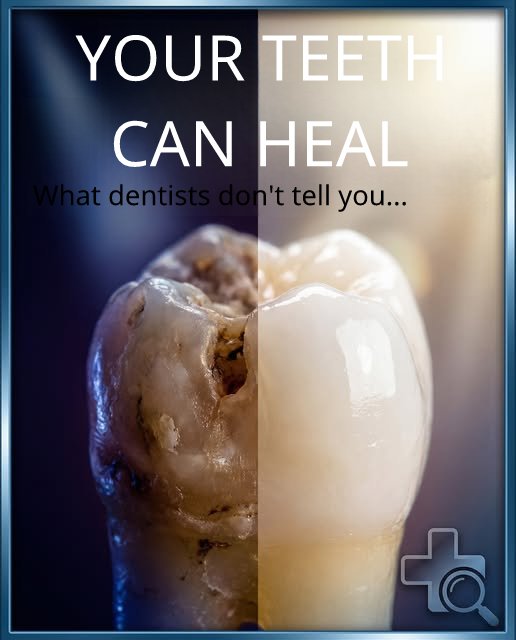
How to naturally cure cavities

Cavities are one of the most common dental problems worldwide. They develop when bacteria in the mouth produce acids that slowly erode tooth enamel. Many people search for natural ways to “cure” cavities, hoping to avoid drills and fillings. While it’s important to be honest—advanced cavities cannot be cured naturally—the good news is that early tooth decay can often be stopped or even reversed using natural methods that support enamel remineralization and oral health.

Understanding where natural care works and where professional treatment is necessary is the key to protecting your teeth long-term.

Understanding the Stages of Cavities

Tooth decay doesn’t happen overnight. It progresses in stages:

  1. Demineralization (early stage) – White spots appear as minerals are lost from enamel.

  2. Enamel decay – Small cavities form but may not cause pain.

  3. Dentin decay – Decay reaches deeper layers, causing sensitivity.

  4. Pulp infection – Severe pain, infection, and abscesses develop.

👉 Natural methods can help only in the earliest stage, before a hole forms in the tooth. Once enamel is broken, professional dental care is required.

Can Cavities Heal Naturally?

Yes—but only early cavities. Teeth cannot regrow lost enamel, but they can regain minerals through a process called remineralization. This happens when the mouth has the right balance of minerals, saliva, and reduced acid levels.

The goal of natural care is to:

  • Strengthen enamel

  • Reduce harmful bacteria

  • Support saliva production

  • Prevent further decay

Natural Ways to Stop and Reverse Early Cavities

1. Improve Your Diet

Diet plays a major role in tooth decay.

Reduce or avoid:

  • Sugary foods and drinks

  • Soda and fruit juices

  • Frequent snacking

  • Processed carbohydrates

Eat more:

  • Leafy greens (rich in calcium and magnesium)

  • Dairy or fermented dairy (cheese, yogurt)

  • Nuts and seeds

  • Fatty fish (vitamin D source)

  • Eggs and bone broth

These foods provide minerals your teeth need to stay strong.

2. Practice Oil Pulling

Oil pulling is an ancient practice that may help reduce harmful bacteria.

How to do it:

  • Swish 1 tablespoon of coconut or sesame oil in your mouth

  • Do not swallow

  • Swish for 10–15 minutes

  • Spit out and rinse with warm water

Oil pulling does not cure cavities, but it can improve oral hygiene and reduce plaque.

3. Use Natural Toothpaste or Remineralizing Products

Some natural toothpastes contain ingredients that support enamel health:

  • Hydroxyapatite

  • Calcium carbonate

  • Baking soda

  • Xylitol

Xylitol is especially helpful because it reduces cavity-causing bacteria and stimulates saliva.

Avoid harsh abrasives that can wear enamel over time.

4. Increase Saliva Production

Saliva is your body’s natural defense against cavities.

To increase saliva:

  • Drink plenty of water

  • Chew sugar-free gum with xylitol

  • Avoid smoking and alcohol

  • Breathe through your nose, not your mouth

Dry mouth increases cavity risk significantly.

5. Maintain Proper Oral Hygiene

Good brushing and flossing habits are essential.

  • Brush twice daily using gentle circular motions

  • Floss once a day to remove plaque between teeth

  • Avoid brushing immediately after acidic foods—wait 30 minutes

Consistency is more important than brushing aggressively.

6. Ensure Adequate Minerals and Vitamins

Teeth need minerals to stay strong.

Key nutrients include:

  • Calcium

  • Phosphorus

  • Magnesium

  • Vitamin D

  • Vitamin K2

A balanced diet or supplements (if recommended by a healthcare provider) can help support tooth remineralization.

7. Limit Acid Exposure

Acid weakens enamel, making it easier for cavities to form.

Tips:

  • Avoid sipping acidic drinks throughout the day

  • Use a straw for acidic beverages

  • Rinse your mouth with water afterward

  • Balance acidic foods with mineral-rich meals

What Natural Methods Cannot Do

It’s important to be clear:

❌ Natural remedies cannot:

  • Repair holes in teeth

  • Cure deep cavities

  • Replace fillings

  • Treat infections or abscesses

Delaying professional treatment for advanced cavities can lead to severe pain, tooth loss, and systemic infection.

When to See a Dentist

You should seek dental care if you experience:

  • Tooth pain or sensitivity

  • Visible holes or dark spots

  • Swelling or gum pain

  • Persistent bad breath

  • Pain when chewing

Early treatment is simpler, less expensive, and less invasive.

Final Thoughts

Natural approaches can be powerful tools for preventing cavities and reversing early enamel damage, but they are not a replacement for professional dental care. Think of natural methods as a way to support your body’s ability to protect and strengthen teeth—especially when combined with good oral hygiene and a healthy diet.

If you catch decay early, make the right changes, and work alongside a dentist, you can often stop cavities before they become serious.

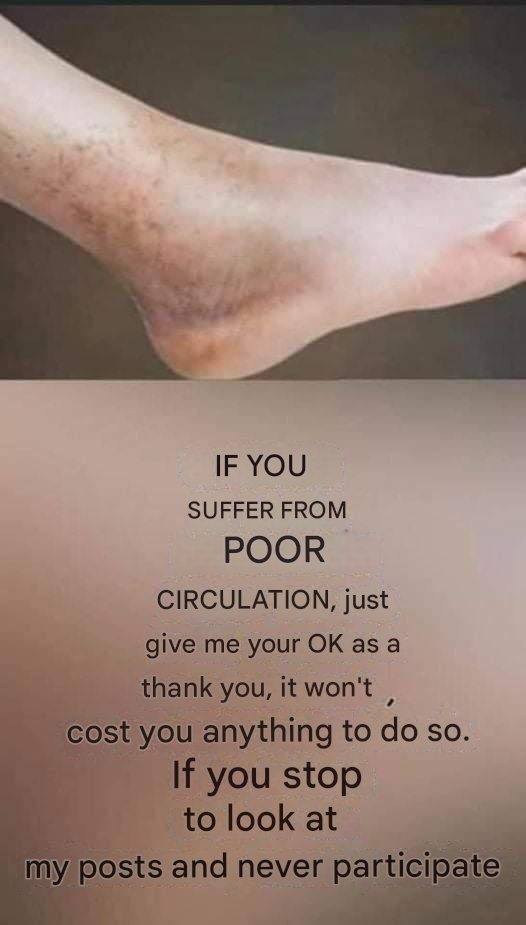
If You Suffer from Poor Circulation and Your Legs Feel Like This, Here Is the Solution

Poor circulation in the legs is more common than many people realize. It often creeps in quietly, showing up as cold feet, numbness, tingling, heaviness, swelling, or aching legs—especially after long periods of sitting or standing. For some, the discomfort is mild and occasional. For others, it can interfere with daily life, sleep, and overall well-being. The good news is that in many cases, circulation can be improved with the right combination of lifestyle changes, daily habits, and medical guidance.

What Poor Circulation in the Legs Feels Like

People with poor circulation often describe similar sensations. Your legs may feel heavy or tired even after minimal activity. You might notice swelling around the ankles, cramps at night, or a pins-and-needles feeling when you stand up. Cold feet that don’t warm up easily are another common sign. In more advanced cases, the skin may look pale or bluish, wounds may heal slowly, and pain can appear when walking short distances.

These symptoms occur because blood is not flowing efficiently through the blood vessels, depriving muscles and tissues of oxygen and nutrients.

Common Causes of Poor Leg Circulation

Several conditions and habits can contribute to circulation problems:

  • Sedentary lifestyle: Sitting for long hours slows blood flow, especially in the legs.

  • Smoking: Nicotine damages blood vessels and restricts blood flow.

  • Diabetes: High blood sugar can damage nerves and blood vessels over time.

  • High blood pressure and cholesterol: These can narrow or stiffen arteries.

  • Peripheral artery disease (PAD): A condition where narrowed arteries reduce blood flow to the limbs.

  • Varicose veins: Weakened veins can cause blood to pool in the legs.

Understanding the cause is important, because it helps determine the most effective solution.

The First and Most Important Solution: Move More

Movement is one of the most powerful ways to improve circulation in the legs. When muscles contract, they help push blood back toward the heart.

  • Walking daily: Even 20–30 minutes a day can make a noticeable difference.

  • Leg exercises: Simple movements like ankle circles, calf raises, and leg lifts improve blood flow.

  • Break long sitting periods: Stand up, stretch, or walk for a few minutes every hour.

If your legs feel heavy or numb by the end of the day, regular movement can significantly reduce these sensations over time.

Elevation and Compression: Simple but Effective

  • Elevate your legs: Lying down and raising your legs above heart level for 15–20 minutes helps blood drain from the legs and reduces swelling.

  • Compression stockings: These specially designed socks gently squeeze the legs, helping veins move blood upward. They are especially helpful for people who stand or sit for long periods.

Improve Circulation Through Diet

What you eat plays a major role in vascular health.

  • Stay hydrated: Dehydration thickens the blood, making circulation harder.

  • Eat circulation-friendly foods: Leafy greens, berries, citrus fruits, garlic, ginger, and fatty fish support blood vessel health.

  • Reduce salt intake: Too much salt can worsen swelling in the legs.

  • Limit processed foods and sugar: These contribute to inflammation and vessel damage.

A balanced diet supports healthy blood flow and reduces strain on your circulatory system.

Warmth and Massage

  • Warm baths or foot soaks: Heat helps blood vessels relax and expand, improving flow.

  • Gentle massage: Massaging the legs in upward strokes encourages blood movement toward the heart and can relieve tension and discomfort.

These methods are especially soothing at the end of the day when symptoms tend to worsen.

Lifestyle Changes That Make a Big Difference

  • Quit smoking: This is one of the most important steps for improving circulation.

  • Maintain a healthy weight: Excess weight puts extra pressure on veins and arteries.

  • Manage chronic conditions: Keeping diabetes, blood pressure, and cholesterol under control protects blood vessels.

When to See a Doctor

While lifestyle changes help many people, persistent or worsening symptoms should never be ignored. Seek medical advice if you experience:

  • Pain in the legs while walking that improves with rest

  • Non-healing sores or wounds

  • Sudden swelling, redness, or warmth in one leg

  • Severe numbness or color changes

These may indicate conditions that require medical treatment.

The Bottom Line

If your legs feel heavy, cold, numb, or swollen, poor circulation may be the underlying cause. The solution often starts with simple, consistent changes: moving more, eating well, elevating your legs, and caring for your blood vessels. While these steps can greatly improve comfort and quality of life, listening to your body and seeking professional guidance when needed is essential. Healthy circulation is not just about comfort—it’s about long-term health and mobility.

3 Colors You Should Never Wear to a Funeral

Funerals are moments of deep reflection, remembrance, and respect. What you wear to such an occasion silently communicates your empathy for the grieving family and your understanding of the solemnity of the event. While customs vary across cultures and religions, most societies agree on one core principle: funeral attire should be modest, understated, and respectful. Certain colors, however fashionable or meaningful in other settings, can feel jarring or inappropriate at a funeral. Here are three colors you should generally never wear to a funeral, along with the reasons why—and what to choose instead.

1. Bright Red

Red is one of the most emotionally charged colors in the world. It symbolizes passion, love, power, celebration, and even aggression. In many cultures, red is associated with weddings, festivals, and joyful milestones. Because of this strong, energetic symbolism, red tends to clash sharply with the quiet, reflective mood of a funeral.

Why Red Is Inappropriate

At a funeral, red can appear attention-seeking or celebratory, even if that is not your intention. Mourners may perceive it as a lack of sensitivity, as the color draws the eye and shifts focus away from remembrance and toward the wearer. In some traditions, red is also linked with vitality and life force, which can feel emotionally contradictory in a setting that honors loss.

Cultural Perspective

In South Asian cultures, including Pakistan and India, red is strongly associated with weddings and happiness. Wearing red to a funeral in these regions can be especially offensive or confusing, as it symbolically represents the opposite of mourning.

Better Alternatives

Instead of red, choose muted, darker tones such as black, charcoal gray, navy, or deep brown. These colors convey seriousness and respect without drawing unnecessary attention.

2. Bright Yellow or Neon Colors

Yellow, especially in its bright or neon forms, is widely associated with cheerfulness, optimism, energy, and sunshine. Neon shades of any color—yellow, green, pink, or orange—are designed to stand out. While these colors are perfectly fine for casual outings or celebrations, they are almost always inappropriate for funerals.

Why Bright Colors Feel Disrespectful

Funerals are not meant to be visually stimulating. Bright yellow or neon shades can feel disruptive and out of place, unintentionally suggesting a festive or carefree attitude. Even if the deceased was known for their vibrant personality, traditional funerals prioritize collective mourning over personal expression.

Bright colors can also emotionally unsettle grieving individuals who are in a vulnerable state. What may seem like a harmless fashion choice to one person may feel deeply insensitive to another.

Exceptions to Consider

Some modern funerals or “celebrations of life” may request guests to wear bright colors in honor of the deceased. In such cases, it is completely acceptable—but only when explicitly stated by the family.

Better Alternatives

Soft neutrals such as beige, taupe, soft gray, or off-white (where culturally appropriate) are safer choices. These colors maintain calmness and humility.

3. Pure White (in Many Western Contexts)

White is often associated with purity, innocence, and peace. However, its appropriateness at funerals depends heavily on cultural and religious context.

Why White Can Be Problematic

In many Western societies, white is traditionally worn by brides and symbolizes new beginnings. Wearing pure white to a funeral in these cultures may feel symbolically inappropriate or even distracting. It can also stand out sharply against the darker tones typically worn by mourners.

Additionally, white clothing can appear too formal, too celebratory, or too pristine for an occasion rooted in grief and remembrance.

Cultural Sensitivity Matters

It’s important to note that in many Asian and Islamic traditions, including parts of South Asia, white is actually a traditional mourning color. In Muslim funerals, for example, white is commonly worn and considered respectful. This highlights why understanding the cultural background of the deceased and their family is essential.

Better Alternatives

If you are unsure about the cultural expectations, opt for darker neutrals. When white is appropriate, choose subdued off-white shades and simple, modest designs rather than bright or elaborate outfits.

Final Thoughts: Respect Over Fashion

Funeral attire is not about personal style—it’s about empathy, respect, and solidarity with those who are grieving. When in doubt, simplicity is always the safest approach. Dark, muted colors, modest cuts, and minimal accessories communicate care without words.

Before attending a funeral, consider these questions:

What are the cultural or religious customs of the family?

Has the family requested specific attire?

Does my outfit draw attention to me or honor the occasion?

By avoiding bright red, neon or overly bright colors, and culturally inappropriate whites, you ensure that your presence contributes to the dignity and solemnity of the moment. In times of loss, quiet respect speaks louder than any fashion statement.

Take two tablespoons in the morning and say goodbye to bone pain, nerve problems, cartilage wear, anxiety, depression and insomnia.

You’ve probably seen bold claims online promising that two tablespoons in the morning can erase bone pain, nerve problems, cartilage wear, anxiety, depression, and insomnia. It sounds miraculous—and understandably appealing. While no single remedy can magically cure such a wide range of conditions, certain nutrient-dense morning blends can support bone health, calm the nervous system, and promote better sleep and mood when used consistently as part of a healthy lifestyle.

Let’s talk honestly about what a simple two-tablespoon wellness mix can do, what science actually supports, and how to use it safely.


The Popular Two-Tablespoon Blend

One commonly shared combination includes:

  • Extra virgin olive oil (1 tablespoon)

  • Raw honey or black seed oil (1 tablespoon)

Some versions add turmeric, ginger, or ground flaxseed, but the idea is the same: a small, concentrated dose of anti-inflammatory fats and natural compounds taken on an empty stomach.


Why People Swear by It

1. Bone and Joint Comfort
Extra virgin olive oil is rich in oleocanthal, a compound with anti-inflammatory properties similar to mild NSAIDs. Chronic inflammation contributes to joint stiffness and discomfort, so reducing it may help people feel less pain over time. Honey and black seed oil contain antioxidants that can support tissue health and reduce oxidative stress—important for aging cartilage.

Important note: This does not rebuild cartilage or reverse arthritis. It may help manage discomfort when combined with movement, proper nutrition, and medical care.


2. Nerve Support
Healthy fats are essential for nerve cell membranes. Olive oil’s monounsaturated fats support brain and nerve function, while black seed oil contains thymoquinone, studied for its neuroprotective and antioxidant effects. Some people report reduced tingling or nerve sensitivity after weeks of consistent use.

This is supportive, not curative. Conditions like neuropathy require medical evaluation.


3. Mood, Anxiety, and Depression
The gut–brain connection is real. Natural honey provides small amounts of glucose that help stabilize morning cortisol levels, while olive oil supports brain health and reduces systemic inflammation—both linked to mood regulation. Black seed oil has been studied for mild anxiolytic (anti-anxiety) effects.

While this blend can support emotional balance, it is not a replacement for therapy or medication for clinical anxiety or depression.


4. Better Sleep and Less Insomnia
Inflammation, blood sugar swings, and nervous system overstimulation can interfere with sleep. Taking this blend in the morning may indirectly improve sleep by supporting hormonal balance and reducing inflammation throughout the day.

Some users notice deeper sleep after a few weeks—not because it’s a sedative, but because the body is better nourished and calmer overall.


How to Take It Properly

  • Take two tablespoons total on an empty stomach in the morning

  • Follow with a glass of warm water

  • Wait 20–30 minutes before eating

Consistency matters more than quantity. More is not better.


What Science Actually Says

Research supports the individual components:

  • Olive oil: Anti-inflammatory, heart- and brain-supportive

  • Honey: Antioxidant, gut-soothing, mild stress modulator

  • Black seed oil: Anti-inflammatory, antioxidant, possible mood support

What science does not support is the idea that this mixture can cure bone disease, regenerate cartilage, or eliminate mental health disorders overnight.

Think of it as a daily support habit, not a miracle drug.


Who Should Be Careful

Avoid or consult a doctor if you:

  • Have diabetes (honey affects blood sugar)

  • Take blood-thinning medication

  • Are pregnant or breastfeeding

  • Have chronic pain, nerve damage, or mental health conditions requiring treatment

Natural does not always mean risk-free.


The Bigger Picture

If you truly want relief from bone pain, nerve issues, anxiety, or insomnia, this blend works best when combined with:

  • Adequate vitamin D, calcium, and magnesium

  • Gentle daily movement

  • Quality sleep habits

  • Stress management

  • Medical guidance when needed

No single remedy replaces a healthy foundation—but small, consistent habits can make a meaningful difference.


Final Thoughts

Taking two tablespoons of a nutrient-rich blend in the morning won’t magically erase pain or emotional struggles, but it can support your body’s natural healing processes, reduce inflammation, and promote a calmer, more balanced day.

This Sleeping Position Raises Your Stroke Risk

This Sleeping Position Raises Your Stroke Risk

Sleep is often called the pillar of good health, yet many of us overlook the impact that how we sleep can have on our bodies. While factors like duration and quality of sleep are widely discussed, recent research has started to shed light on how certain sleeping positions may influence serious health risks—including stroke. Understanding the connection between sleep posture and stroke risk can help you make subtle but important changes to protect your health.

The Importance of Sleep and Stroke Risk

Stroke is a leading cause of disability and death worldwide, occurring when the blood supply to the brain is interrupted. It can be caused by a blocked artery (ischemic stroke) or bleeding in the brain (hemorrhagic stroke). Common risk factors include high blood pressure, obesity, diabetes, smoking, and sedentary lifestyles. However, emerging evidence suggests that even something as simple as the position in which you sleep can influence your risk.

Sleep affects cardiovascular health in multiple ways. During sleep, your body regulates blood pressure, heart rate, and blood vessel function. Poor sleep or positions that negatively impact circulation and respiratory function can increase stress on the cardiovascular system, creating conditions conducive to stroke.

The Sleep Position Under Scrutiny

Several studies have evaluated the most common sleep positions—back, stomach, and side. While each has its pros and cons, one position is increasingly linked to higher stroke risk: sleeping on your stomach, also called the prone position.

Sleeping on your stomach may feel comfortable for some, but it forces your neck and spine into unnatural positions. The head is often turned to one side for prolonged periods, which can compress blood vessels, restrict blood flow, and put pressure on the brain’s delicate structures. Over time, this can increase the likelihood of vascular complications, including ischemic events that may lead to stroke.

A study published in the Journal of Clinical Sleep Medicine found that prone sleeping can contribute to irregularities in blood pressure during the night. Fluctuating or elevated blood pressure is a major risk factor for both ischemic and hemorrhagic strokes. Additionally, stomach sleeping can interfere with optimal breathing patterns, sometimes leading to oxygen desaturation, which strains the cardiovascular system.

Side Sleeping: The Healthier Alternative

On the other hand, sleeping on your side—particularly the left side—may be more beneficial for vascular health. Side sleeping promotes better circulation, reduces strain on the heart, and can even improve lymphatic drainage. The left-side position is especially favored in patients with heart disease and high blood pressure because it minimizes pressure on major blood vessels and supports optimal blood flow to the brain and vital organs.

Side sleeping is also associated with reduced risk of sleep apnea, a condition that sharply increases stroke risk. People who sleep on their stomach are more prone to airway obstruction, whereas side sleepers tend to maintain a clearer airway, reducing nighttime hypoxia (low oxygen levels). Over time, better oxygenation during sleep lowers stress on blood vessels and reduces the risk of clot formation, a leading cause of ischemic stroke.

Back Sleeping: Moderate Risk

Sleeping on your back is generally considered neutral for cardiovascular risk, but it does have its drawbacks. For people prone to sleep apnea or snoring, back sleeping can worsen airway obstruction, leading to intermittent drops in oxygen levels. Chronic nighttime hypoxia increases the likelihood of hypertension and vascular inflammation, which are key contributors to stroke. However, unlike stomach sleeping, back sleeping does not compress blood vessels in the neck, making it a safer option in terms of stroke risk.

Additional Factors to Consider

While sleep position is important, it is only one piece of the puzzle. Other sleep-related factors influence stroke risk, including:

  • Sleep duration: Adults should aim for 7–9 hours per night. Both short and long sleep durations are linked to increased stroke risk.

  • Sleep quality: Interrupted or fragmented sleep can lead to elevated blood pressure and impaired cardiovascular function.

  • Sleep apnea: Left untreated, this condition dramatically increases stroke risk. Managing it through lifestyle changes, devices, or medical intervention is crucial.

  • Pillows and mattress support: Poor support can exacerbate unnatural spinal positions, especially in prone sleepers.

Practical Tips for Healthier Sleep

If you’re concerned about stroke risk, consider making the following adjustments:

  1. Shift to side sleeping: Gradually train yourself to sleep on your left side. Use pillows to support your back and between your knees to maintain spinal alignment.

  2. Avoid stomach sleeping: If you naturally roll onto your stomach, place a pillow under your chest or hips to encourage a side position.

  3. Choose supportive bedding: A medium-firm mattress and ergonomic pillows can prevent spinal and vascular compression.

  4. Maintain a consistent sleep schedule: Go to bed and wake up at the same time every day to stabilize blood pressure and cardiovascular rhythms.

  5. Monitor cardiovascular health: Regularly check blood pressure, cholesterol, and glucose levels, and consult your doctor if you notice changes.

Conclusion

Although we often underestimate the importance of sleep posture, evidence increasingly shows that stomach sleeping can raise the risk of stroke by affecting blood flow, oxygenation, and blood pressure. By adopting a side-sleeping position, especially on the left side, you can support optimal circulation, reduce strain on the cardiovascular system, and lower your risk of stroke. Small adjustments in how you sleep may seem minor, but over years, they can significantly impact your overall health and longevity.

Ultimately, stroke prevention is multifaceted, involving diet, exercise, and monitoring of underlying health conditions. However, something as simple as the way you position your body at night can serve as an additional, proactive step toward a healthier, longer life.

I seriously had no idea of this method

Have you ever left a simple mixture of vinegar, salt, and water in a glass in your room and wondered what might happen? While it seems like a mundane experiment, the outcome can actually reveal a lot about chemistry, air quality, and even some interesting home “health hacks.” Let’s explore what occurs when you mix vinegar and salt in water and leave it in the room you spend most of your time in.

First, let’s break down the ingredients. Vinegar is essentially acetic acid diluted in water, usually around 5% concentration for household vinegar. Salt, or sodium chloride, is a crystalline mineral that dissolves readily in water. When you combine the two, the salt partially dissolves, and the vinegar’s acidic nature starts interacting with the dissolved ions. On its own, this solution doesn’t appear to do much—but over time, leaving it in your room initiates a variety of subtle, observable changes.

Within the first few hours, the mixture itself remains clear, with the salt either fully dissolved or settling slightly at the bottom of the glass. However, what begins to happen is largely invisible: the vinegar starts releasing acetic acid vapors into the air. These vapors have a distinct pungent smell that many people recognize immediately. While some find this smell unpleasant, it actually has natural antibacterial properties. That’s why vinegar has long been used as a cleaning agent—it can reduce certain bacteria and mold in its immediate vicinity. In this way, leaving a glass of vinegar and salt in a room may subtly affect the microenvironment of the space, particularly if the room is small and poorly ventilated.

After a day or two, you might notice a change in the water itself. The mixture may appear cloudier or develop tiny floating particles. This occurs because vinegar is slightly acidic, and when combined with the ions from the salt, it can attract and pull in trace minerals or dust particles from the surrounding air. Essentially, your little glass acts as a micro-filter, collecting microscopic airborne debris. Over several days, more particles may accumulate on the surface or bottom of the glass.

Interestingly, some people claim that such a mixture can “purify” the air. While it is true that vinegar has antimicrobial properties, it’s important to understand the limitations. The solution does not create a sterile environment in the room. However, it can slightly reduce the concentration of certain airborne bacteria and mold spores nearby. This effect is very local—mostly right around the glass—and cannot replace regular cleaning, ventilation, or air filtration. Nevertheless, the notion that vinegar and salt can improve air quality in your immediate surroundings is not entirely a myth.

Another phenomenon occurs if you leave the glass for an extended period, such as a week or more. The water level may slowly decrease due to evaporation. As the water evaporates, the concentration of both vinegar and salt increases. The smell of vinegar will intensify as more acetic acid vapors are released. Additionally, you might see a thin layer of salt or crystalline residue forming around the rim of the glass or on the surface of the water. This is because evaporation leaves the dissolved salts behind, creating small deposits. Over time, these deposits can take on interesting, almost decorative patterns.

Some enthusiasts suggest that the vinegar and salt mixture can help neutralize odors in a room. The science behind this is partially valid. Vinegar is acidic, and many common odors are alkaline or basic in nature. When volatile compounds in the air come into contact with the acidic vapors from the vinegar, chemical reactions can occur that neutralize some of the odors. The effect is subtle, but in small rooms or areas with stagnant air, it can make a noticeable difference.

It’s also worth mentioning a psychological aspect. Simply having a glass of vinegar and salt in your line of sight might prompt mindfulness about the air quality and cleanliness of your space. Many people report that they subconsciously open windows more often, clean surfaces more regularly, or maintain better ventilation when performing small experiments like this. In other words, part of the “effect” of leaving this mixture in a room is behavioral: it makes you more aware of your environment.

However, there are precautions. Leaving vinegar and salt out in an open glass means the solution can attract insects, particularly fruit flies, which are drawn to the smell of vinegar. Additionally, the strong odor may be irritating to some people, especially those with respiratory sensitivities or allergies. Prolonged exposure to concentrated vinegar fumes can cause discomfort or even mild irritation to the eyes, nose, and throat. Therefore, it is best to keep the glass in a ventilated area or use it sparingly if you want to experiment.

In conclusion, mixing vinegar and salt in a glass of water and leaving it in your room may seem like a simple or even quirky experiment, but it demonstrates several fascinating principles of chemistry and environmental science. Over time, the mixture releases acetic acid vapors, interacts with dust and airborne particles, may slightly reduce some bacteria and odors, and even produces crystalline residues as water evaporates. While it’s not a miracle cleaner or air purifier, it is a subtle, natural experiment that can teach you about chemical interactions, evaporation, and the way our senses perceive changes in our environment. For anyone curious about home chemistry or the small ways everyday substances interact with our surroundings, this is a simple and accessible demonstration that proves even humble kitchen ingredients can create a noticeable effect.

The oncologist announced that This drink kill cells and help treat gastritis diabetes and liver diseases

In recent years, headlines and viral posts have repeatedly claimed that an oncologist has “announced” a miracle drink that kills cancer cells and treats gastritis, diabetes, and liver disease. These statements spread quickly because they offer hope, simplicity, and a natural alternative to complex medical treatments. However, oncologists and medical researchers are clear on one crucial point: there is no drink that can kill cancer cells or cure serious diseases on its own.

That does not mean nutrition is unimportant. On the contrary, doctors emphasize that certain beverages can support the body, reduce inflammation, improve digestion, stabilize blood sugar, and protect liver function—alongside proper medical care. Understanding the difference between supportive health choices and false cures is essential.

What Oncologists Actually Say

When oncologists speak publicly, their message is usually cautious and evidence-based. Cancer is not a single disease, and it cannot be eliminated by any one food, herb, or drink. Claims suggesting otherwise can be dangerous, as they may lead patients to delay or abandon proven treatments such as surgery, chemotherapy, radiation, or targeted therapy.

What doctors do say is that chronic inflammation, insulin resistance, fatty liver disease, and poor gut health can worsen overall health and sometimes affect disease outcomes. Nutrition plays a supportive role by helping the body function better during treatment and recovery.

Drinks That May Support Health (Not Cure Disease)

Several natural drinks are often mentioned in health discussions because of their nutrient density and biological effects. While none of them kill cancer cells in the human body, they may offer benefits when consumed wisely.

1. Warm Water with Lemon

Often recommended by gastroenterologists, warm lemon water can stimulate digestion, promote hydration, and support mild detox processes in the liver. For people with gastritis, it should be consumed cautiously, as acidity may irritate sensitive stomachs.

2. Green Tea

Green tea contains polyphenols, especially EGCG, which have antioxidant and anti-inflammatory properties. Laboratory studies show these compounds can affect abnormal cells in test tubes—but this does not translate into a cure in humans. Still, green tea may support metabolic health and liver function.

3. Turmeric Milk (Golden Milk)

Turmeric contains curcumin, known for its anti-inflammatory properties. When consumed with black pepper and healthy fats, absorption improves. This drink may help reduce inflammation and support joint and digestive health, but it is not a treatment for cancer or diabetes.

4. Bitter Gourd (Karela) Juice

Common in South Asian traditional medicine, bitter gourd juice has been studied for its potential role in improving insulin sensitivity. Some people with diabetes find it helpful as a dietary addition, but it must never replace prescribed medications.

5. Aloe Vera Juice (In Moderation)

Aloe vera may soothe the digestive tract and support mild gastritis symptoms. However, excessive consumption can irritate the intestines and strain the liver. Medical supervision is recommended.

The Truth About “Killing Cancer Cells”

In scientific research, many substances are shown to affect cancer cells in laboratories. This does not mean they destroy cancer in the human body. The body is vastly more complex than a petri dish, and effective cancer treatment requires controlled, targeted medical interventions.

Oncologists consistently warn that phrases like “kills cancer cells” are often used irresponsibly to sell products or gain attention online. Real cancer treatment is personalized, monitored, and based on years of clinical trials.

Gastritis, Diabetes, and Liver Disease: A Different Story

Unlike cancer, conditions such as gastritis, type 2 diabetes, and fatty liver disease can be significantly influenced by lifestyle choices.

  • Gastritis benefits from gentle foods, reduced acidity, stress control, and avoidance of alcohol and NSAIDs.

  • Diabetes improves with balanced meals, reduced refined sugar, fiber intake, and regular physical activity.

  • Liver diseases, especially fatty liver, respond well to weight management, reduced sugar intake, and hydration.

In these cases, supportive drinks can help—but they are part of a larger lifestyle approach, not standalone treatments.

Why Misinformation Is Dangerous

False health claims can:

  • Delay proper diagnosis

  • Cause patients to stop effective treatment

  • Lead to liver or kidney damage from overuse of “natural” remedies

  • Create false hope and emotional harm

Doctors stress that “natural” does not always mean safe, especially for people already dealing with chronic illness.

What Oncologists Recommend Instead

Most oncologists agree on these foundational principles:

  • Follow evidence-based medical treatment

  • Eat a balanced, anti-inflammatory diet

  • Stay hydrated

  • Avoid smoking and excessive alcohol

  • Manage stress and sleep properly

  • Use supplements or herbal drinks only with medical approval

Final Thoughts

No drink kills cancer cells or cures gastritis, diabetes, and liver disease in one step. But smart nutrition, hydration, and lifestyle choices can support the body’s natural defenses, improve quality of life, and help medical treatments work more effectively.

True healing does not come from viral headlines—it comes from science, patience, and informed care.

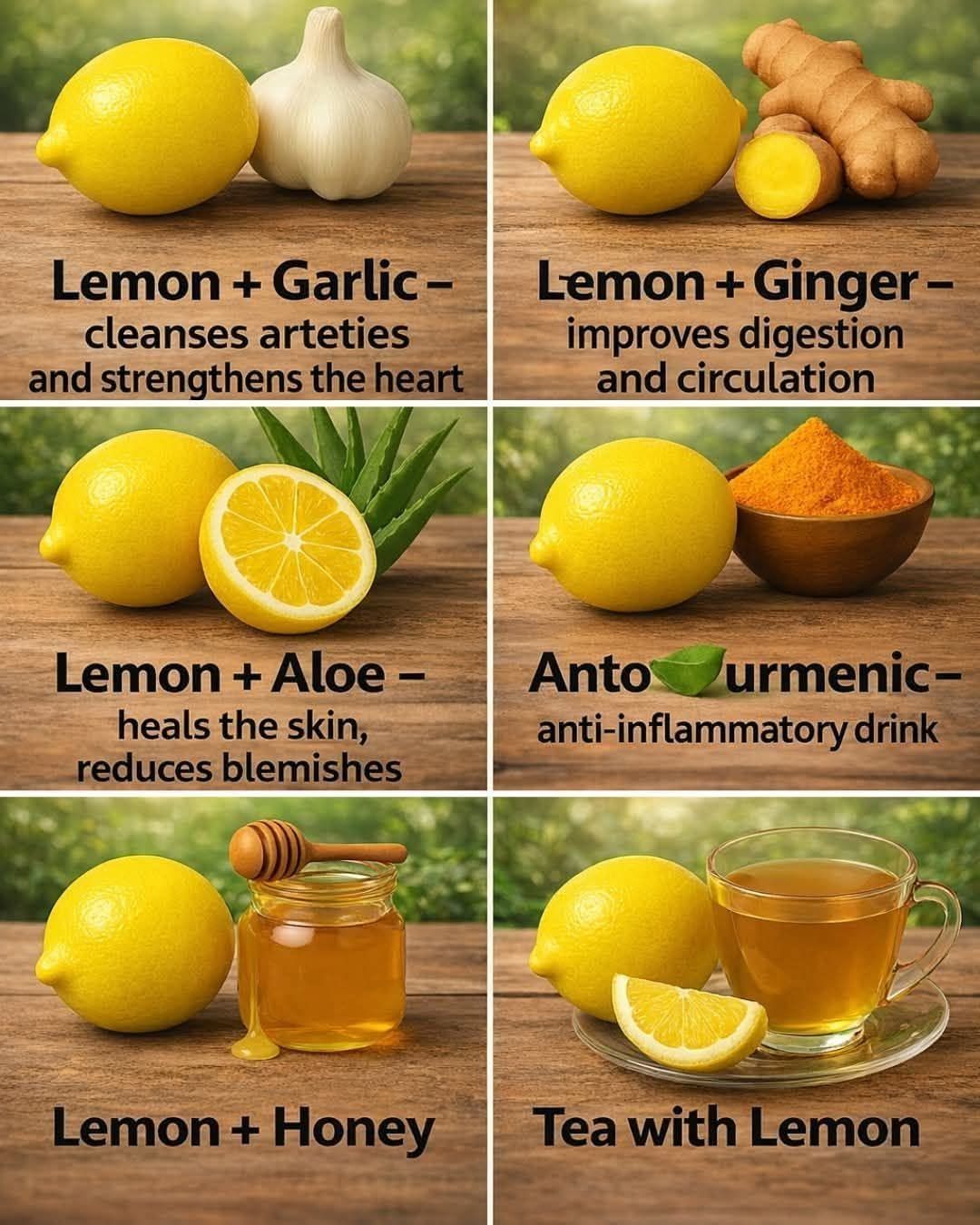
Lemon The Little Yellow Miracle for Cleansing, Healing & Natural Glow

Small, bright, and bursting with flavor, the lemon has earned a timeless place in kitchens, traditional remedies, and beauty rituals around the world. This humble yellow fruit is far more than a garnish or a sour note in recipes—it has long been valued for its refreshing, cleansing, and revitalizing qualities. From supporting digestion to enhancing skin radiance, lemons continue to be celebrated as a natural wellness ally when used thoughtfully and in balance.

A Nutritional Powerhouse in a Simple Peel

Lemons are famously rich in vitamin C, a powerful antioxidant that helps protect cells from oxidative stress and supports the immune system. Just one lemon can provide a significant portion of your daily vitamin C needs, along with small amounts of potassium, folate, and vitamin B6. Lemons also contain beneficial plant compounds such as flavonoids and citric acid, which contribute to their health-supporting properties.

Unlike many fruits, lemons are low in sugar and calories, making them a popular addition to wellness routines without adding excess sweetness. Their sharp taste encourages dilution with water, which can naturally increase daily fluid intake—an often-overlooked foundation of good health.

Gentle Cleansing from the Inside Out

Lemon water has become a morning ritual for many people, and for good reason. While it is not a magical detox, warm lemon water can gently stimulate digestion and support the body’s natural cleansing processes. The citric acid in lemons may encourage the production of digestive juices, helping the stomach prepare for food.

Lemons also support liver function indirectly by promoting hydration and providing antioxidants that assist the body’s normal detox pathways. Rather than “flushing toxins,” lemons work best as part of a consistent, healthy lifestyle that includes balanced meals, adequate water, and regular movement.

For those prone to bloating or sluggish digestion, lemon-infused water or herbal teas with lemon can feel soothing and refreshing, especially when consumed slowly.

Supporting Healing and Immunity

Vitamin C is essential for immune defense, wound healing, and collagen formation. During seasonal changes or periods of fatigue, lemon-based drinks—such as warm water with lemon and honey—are often used as comforting remedies. While lemon cannot cure illness, its nutrients help support the body while it does the healing work.

Lemons also have mild antibacterial properties due to their acidity, which is why they’ve historically been used in food preservation and cleaning. In everyday life, this translates to simple benefits like fresher breath, a cleaner mouth environment, and reduced odor when used in natural home remedies.

The Secret to a Natural Glow

One of lemon’s most admired qualities is its connection to healthy, glowing skin. Vitamin C plays a vital role in collagen production, which helps maintain skin firmness and elasticity. Diets that include vitamin C–rich foods like lemons can support clearer, brighter-looking skin over time.

Lemon is also popular in DIY beauty traditions. When diluted properly, lemon juice has been used to help reduce excess oil, brighten dull skin, and clarify the complexion. However, it’s important to note that lemon juice is highly acidic and should never be applied directly to the skin without dilution. Even then, it should be used cautiously and always followed by sun protection, as lemon can increase photosensitivity.

Internally, staying hydrated with lemon water may help skin appear more radiant simply because well-hydrated skin tends to look smoother and healthier.

Lemon for Mind and Mood

The fresh scent of lemon is widely used in aromatherapy for its uplifting and energizing effect. Citrus aromas are associated with improved mood, reduced stress, and enhanced focus. Even something as simple as adding lemon zest to meals or inhaling the aroma of freshly cut lemon can create a sense of freshness and mental clarity.

Starting the day with lemon water can also become a mindful ritual—signaling a fresh start and encouraging healthier choices throughout the day.

Easy Ways to Add Lemon to Daily Life

Incorporating lemon into your routine doesn’t require drastic changes. Here are a few simple ideas:

  • Add fresh lemon juice to warm or room-temperature water in the morning

  • Use lemon zest to flavor soups, rice, salads, and baked goods

  • Squeeze lemon over steamed vegetables or grilled fish

  • Make lemon-infused water with mint or cucumber

  • Add lemon juice to homemade salad dressings instead of heavy sauces

These small habits can add brightness to meals while supporting overall wellness.

A Note of Balance and Care

Despite its many benefits, lemon should be used in moderation. Excessive consumption may irritate sensitive stomachs, worsen acid reflux, or affect tooth enamel. Drinking lemon water through a straw and rinsing the mouth afterward can help protect teeth. As with any natural remedy, listening to your body is key.

Final Thoughts

Lemon truly earns its reputation as a “little yellow miracle”—not because it promises instant cures, but because it gently supports the body’s natural functions. Its cleansing freshness, immune-supporting nutrients, and skin-enhancing qualities make it a simple yet powerful addition to daily life. When enjoyed mindfully, lemon can brighten not only your meals, but your overall sense of wellness and natural glow. 🍋

Did you know that eating bananas increases

Bananas are one of the most popular fruits worldwide, loved for their natural sweetness, convenience, and versatility. But beyond being a tasty snack, bananas are a powerhouse of nutrition that can significantly impact your health in multiple ways. Whether you eat them as a quick breakfast, a post-workout snack, or a sweet addition to desserts, bananas bring a host of benefits that many people might not fully appreciate. Let’s explore how eating bananas can improve your health, energy levels, and even mood.

1. Rich Source of Essential Nutrients

Bananas are packed with vital nutrients. They are an excellent source of potassium, a mineral crucial for heart health and proper muscle and nerve function. A single medium-sized banana contains around 422 mg of potassium, which can help regulate blood pressure and support cardiovascular health. In addition to potassium, bananas provide vitamin C, vitamin B6, magnesium, and dietary fiber. These nutrients play important roles in maintaining energy levels, boosting the immune system, and supporting overall metabolic functions.

Vitamin B6, for example, helps in the production of neurotransmitters such as serotonin and dopamine, which influence mood and cognitive function. Regular consumption of bananas can therefore have a subtle but positive effect on mental well-being, reducing feelings of stress and promoting a sense of calm.

2. Natural Energy Booster

Bananas are an excellent source of carbohydrates, primarily in the form of natural sugars such as glucose, fructose, and sucrose. These sugars are easily digestible, making bananas a quick energy booster. This is why athletes often consume bananas before or after workouts—they provide immediate fuel for muscles and help prevent fatigue. Additionally, the fiber in bananas slows down the digestion of these sugars, offering a sustained energy release rather than a sudden spike followed by a crash. This combination makes bananas an ideal snack for both children and adults who need long-lasting energy throughout the day.

3. Promotes Digestive Health

The dietary fiber in bananas, particularly soluble fiber, plays a key role in digestive health. Soluble fiber helps regulate bowel movements by absorbing water and forming a gel-like substance that aids smooth digestion. This can prevent constipation and promote regularity, keeping your digestive system healthy. Bananas also contain prebiotics, which are compounds that feed the beneficial bacteria in your gut. A balanced gut microbiome is essential for nutrient absorption, immune function, and even mental health. By supporting healthy gut bacteria, bananas indirectly enhance your overall well-being.

4. Supports Heart Health

Potassium is one of the most important minerals for heart health, and bananas are one of the richest natural sources. Adequate potassium intake helps maintain normal blood pressure levels by counteracting the effects of sodium. This reduces the risk of hypertension, which is a major factor in heart disease and stroke. Additionally, the fiber in bananas helps lower cholesterol levels, further protecting cardiovascular health. Studies have shown that individuals who regularly consume potassium-rich foods like bananas have a lower risk of heart-related complications.

5. Aids Weight Management

Bananas can be surprisingly helpful for weight management. Although they contain natural sugars, the fiber content helps promote a feeling of fullness, reducing overall calorie intake. Eating a banana as a snack between meals can curb unhealthy cravings for sweets or processed foods. Moreover, bananas have a low glycemic index, meaning they release sugar slowly into the bloodstream, avoiding rapid spikes in blood sugar levels. This makes them a smart choice for those managing weight or looking to maintain stable energy levels throughout the day.

6. Enhances Mood and Brain Function

Bananas contain tryptophan, an amino acid that the body converts into serotonin, often called the “feel-good hormone.” Serotonin plays a significant role in regulating mood, sleep, and even appetite. Regular consumption of bananas can, therefore, contribute to better emotional health and help reduce feelings of anxiety or depression. Furthermore, the vitamin B6 in bananas supports brain function by assisting in the production of neurotransmitters that regulate focus, memory, and cognitive performance. For students or professionals who need sustained mental energy, bananas can be a brain-boosting ally.

7. Natural Remedy for Hangovers and Heartburn

Bananas have been traditionally used as a natural remedy for hangovers and heartburn. The high potassium content helps replenish electrolytes lost during alcohol consumption, while the smooth, soft texture of the fruit soothes the digestive tract. Similarly, bananas can help neutralize excess stomach acid, providing relief from mild heartburn or acid reflux. Eating a banana in the morning after a night out or during a day of heartburn discomfort can be an easy, natural solution.

8. Versatility in Diet

Another reason bananas are so beneficial is their versatility. They can be eaten raw, blended into smoothies, baked into desserts, or even cooked in savory dishes. This flexibility ensures that everyone can include them in their diet in ways that fit their taste preferences and lifestyle. Additionally, bananas are naturally sweet, meaning they can replace processed sugars in many recipes, contributing to a healthier diet overall.

Conclusion

In summary, eating bananas is much more than enjoying a convenient and tasty snack. These fruits provide essential nutrients, improve digestive health, boost energy, support heart function, enhance mood, and even aid in weight management. Regular consumption of bananas is an easy, natural way to contribute to overall health and well-being. Next time you reach for a snack, remember that a simple banana might just be the most beneficial choice for both your body and mind.

Bananas truly are nature’s little energy-packed, nutrient-rich powerhouses, and including them in your daily diet can have lasting positive effects on your health. Whether you eat one every morning or blend them into a smoothie, the benefits of bananas are undeniable, proving that this humble fruit deserves its spot at the center of a healthy lifestyle.