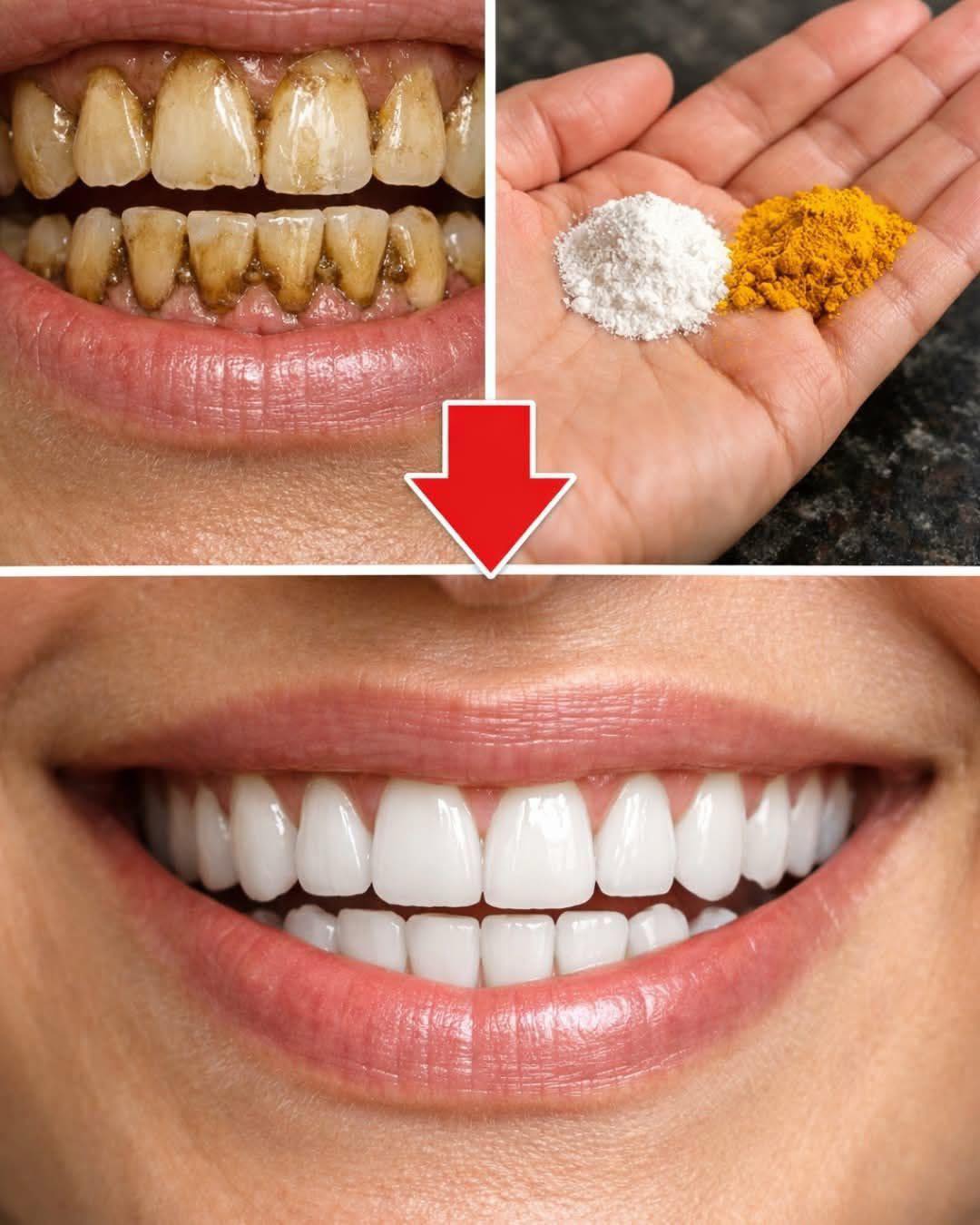
Dentists Don’t Want You to Know: Whiten Your Teeth in Just 2 Minutes
Bright, white teeth are often associated with confidence, youth, and good health. It’s no surprise that teeth whitening has become one of the most popular cosmetic treatments worldwide. From expensive in-office procedures to over-the-counter strips and gels, people are constantly searching for quick and affordable ways to brighten their smiles.
You may have seen bold claims online like, “Whiten your teeth in just 2 minutes!” While these headlines grab attention, it’s important to understand what truly works, what’s safe, and what might actually damage your enamel in the long run.
Let’s break down the truth about fast teeth whitening and explore safe methods that can noticeably brighten your smile — without harming your teeth.
Why Teeth Become Yellow
Before talking about whitening, it helps to understand why teeth discolor in the first place. Teeth naturally darken over time due to:
-
Coffee and tea
-
Red wine
-
Smoking
-
Dark-colored sodas
-
Certain medications
-
Aging (enamel thinning)
Your enamel is the outer protective layer of your teeth. Beneath it lies dentin, which has a natural yellow tone. When enamel becomes thinner due to age or acidic foods, the yellow dentin shows through more clearly.
The “2-Minute Whitening” Trend
Social media is full of quick DIY hacks claiming instant whitening results. Some of the most popular include:
-
Baking soda and lemon juice
-
Activated charcoal
-
Hydrogen peroxide rinses
-
Coconut oil pulling
While some of these methods may temporarily remove surface stains, they are not miracle solutions — and some can actually cause harm if overused.
Baking Soda: Mild but Limited
Baking soda is mildly abrasive, which means it can help scrub away surface stains. Many commercial toothpastes include baking soda for this reason.
However, using straight baking soda too frequently can wear down enamel over time. It may brighten teeth slightly after one or two uses, but it won’t change the natural color of dentin or deeply embedded stains.
If you try this method, mix a small amount of baking soda with water (not lemon juice, which is acidic) and gently brush for no more than 1–2 minutes once or twice a week.
Hydrogen Peroxide: Use with Caution
Hydrogen peroxide is a common ingredient in professional whitening treatments. It works by breaking down stain molecules in the enamel.
A diluted 1.5% to 3% hydrogen peroxide solution may help lighten surface stains. Some people mix it with baking soda for a quick whitening paste.
However, using high concentrations or frequent applications can cause tooth sensitivity and gum irritation. It’s important not to overdo it. A quick 1-minute brush once a week is generally safer than daily use.
Activated Charcoal: Trendy but Questionable
Charcoal toothpaste has gained popularity because it looks dramatic and promises fast results. While charcoal may remove some surface stains, there is limited scientific evidence proving it effectively whitens teeth.
Charcoal is also abrasive. Long-term use may damage enamel, making teeth appear more yellow over time as the protective layer wears away.
The Truth About “Instant” Whitening
Here’s the reality: true whitening — meaning changing the intrinsic color of your teeth — does not happen in 2 minutes.
Professional in-office whitening treatments use high-concentration bleaching agents and special lights to accelerate the process. Even then, the procedure typically takes 30 to 60 minutes.
At-home whitening strips or trays usually take several days to show noticeable results.
So when you see claims of “2-minute whitening,” they usually refer to removing surface stains, not dramatically changing tooth color.
Safer Ways to Brighten Teeth Quickly
If you want noticeable improvement safely, here are smarter options:
-
Whitening Toothpaste
Whitening toothpastes contain mild abrasives and small amounts of peroxide. While results are gradual, they are safe for daily use and can improve brightness over a few weeks. -
Whitening Strips
Over-the-counter whitening strips are affordable and effective when used as directed. Most people see results in 5–10 days. -
Professional Cleaning
Sometimes teeth look yellow simply because of plaque and tartar buildup. A professional dental cleaning can instantly make teeth appear whiter without any bleaching at all. -
Avoid Stain-Causing Habits
Rinse your mouth after coffee or tea. Use a straw for dark beverages. Quit smoking. Small lifestyle changes make a big difference.
Natural Brightening Tips That Are Actually Safe
If you’re looking for simple daily habits that help maintain a brighter smile:
-
Brush twice daily with fluoride toothpaste
-
Floss daily to prevent stain buildup between teeth
-
Rinse your mouth with water after meals
-
Eat crunchy fruits and vegetables like apples and carrots
-
Stay hydrated to maintain saliva production
Saliva naturally helps wash away stain-causing particles.
The Risks of Over-Whitening
Trying too many DIY methods can lead to:
-
Enamel erosion
-
Tooth sensitivity
-
Gum irritation
-
Uneven whitening
Once enamel is damaged, it does not grow back. That’s why safety should always come first.
Do Dentists Really Hide Whitening Secrets?
The idea that “dentists don’t want you to know” certain tricks is mostly marketing hype. In reality, dentists want patients to have healthy teeth above all else. They caution against quick-fix trends because they often see the long-term damage caused by aggressive whitening methods.
Dentists use professional-grade products because they are tested, controlled, and applied safely.
Final Thoughts
While the promise of whitening your teeth in just 2 minutes sounds appealing, true and lasting whitening takes time and care. Some quick methods may remove surface stains temporarily, but dramatic color changes require consistent treatment.
The best approach is a balanced one: maintain good oral hygiene, use safe whitening products in moderation, and consult a dentist if you want faster results.
A bright smile is not just about color — it’s about healthy gums, strong enamel, and confidence. Choose methods that protect your teeth, and your smile will stay beautiful for years to come.
