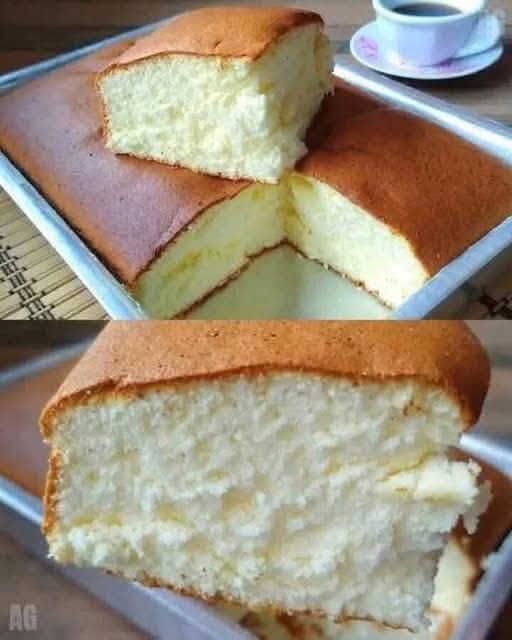
Cotton cake, also known as Japanese cotton cheesecake or cotton sponge cake, is loved for its cloud-like texture and delicate flavor. The good news? You don’t have to give it up just because you’re diabetic. With a few smart ingredient swaps, you can enjoy a soft, fluffy cotton cake that’s low in sugar, lower in carbs, and gentle on blood glucose levels.
This diabetic cotton cake recipe avoids refined sugar and white flour, focuses on balanced ingredients, and keeps the cake light, moist, and satisfying—without guilt.
Why This Cotton Cake Is Diabetic-Friendly
Traditional cotton cakes are loaded with sugar and refined flour, which can spike blood sugar. This version is different:
-
✔ Uses natural, diabetic-safe sweeteners
-
✔ Made with low-glycemic flour
-
✔ High in protein from eggs
-
✔ No butter overload
-
✔ Light texture, not dense or heavy
When enjoyed in moderation, this cake can fit into a diabetic-friendly lifestyle.
Ingredients (Serves 8–10)
Dry Ingredients
-
½ cup almond flour (low-carb, high-fiber)
-
¼ cup oat flour (use finely ground oats)
-
1 tablespoon cornstarch (for softness)
-
1 teaspoon baking powder
-
Pinch of salt
Wet Ingredients
-
4 large eggs, separated (room temperature)
-
3 tablespoons erythritol or monk fruit sweetener (powdered)
-
¼ cup unsweetened almond milk
-
2 tablespoons olive oil or avocado oil
-
1 teaspoon vanilla extract
-
½ teaspoon lemon juice or cream of tartar (for egg whites)
Step-by-Step Instructions
Step 1: Prepare the Pan
Preheat your oven to 160°C (320°F). Line a 7-inch round cake pan with parchment paper. Wrap the outside of the pan with foil to prevent water from seeping in during baking.
Place the cake pan inside a larger baking tray (for the water bath).
Step 2: Mix Dry Ingredients
In a bowl, whisk together:
-
Almond flour
-
Oat flour
-
Cornstarch
-
Baking powder
-
Salt
Sift if possible to ensure an extra-light texture.
Step 3: Prepare Egg Yolk Batter
In another bowl, whisk the egg yolks with:
-
Almond milk
-
Oil
-
Vanilla extract
Add the dry ingredients gradually and mix until smooth. The batter should be silky and lump-free.
Step 4: Whip the Egg Whites
In a clean, dry bowl, beat the egg whites on medium speed until foamy. Add lemon juice or cream of tartar.
Slowly add the powdered sweetener in small amounts. Continue beating until soft peaks form—not stiff. Overbeating will make the cake crack.
Step 5: Fold Gently
Add one-third of the egg whites into the yolk batter and gently mix to lighten it.
Then carefully fold in the remaining egg whites using a spatula. Use slow, sweeping motions to keep the air inside the batter.
This step is key to achieving the cotton-soft texture.
Step 6: Bake in a Water Bath
Pour the batter into the prepared pan and tap gently to remove air bubbles.
Place the pan into the larger tray and pour hot water halfway up the sides.
Bake at 160°C (320°F) for 50–60 minutes.
Turn off the oven and leave the cake inside with the door slightly open for 10–15 minutes to prevent collapse.
Step 7: Cool & Serve
Remove the cake, let it cool completely, then gently remove from the pan.
The cake should be:
-
Light
-
Jiggly
-
Moist
-
Soft like cotton
Nutritional Benefits for Diabetics
-
Low glycemic load compared to regular cake
-
High protein from eggs helps stabilize blood sugar
-
Healthy fats reduce glucose spikes
-
No refined sugar or white flour
One slice (depending on portion size) is much safer than traditional desserts.
Serving Tips (Diabetic-Friendly)
-
Serve with fresh berries (strawberries or blueberries)
-
Add a spoon of unsweetened Greek yogurt
-
Light dusting of powdered erythritol
-
Enjoy as a mid-morning or afternoon snack, not late at night
Storage Tips
-
Store in the refrigerator for up to 3 days
-
Bring to room temperature before eating
-
Do not freeze (texture may change)
Important Note for Diabetics
Even diabetic-friendly desserts should be eaten in moderation. Always monitor your blood sugar response, especially when trying new recipes.
