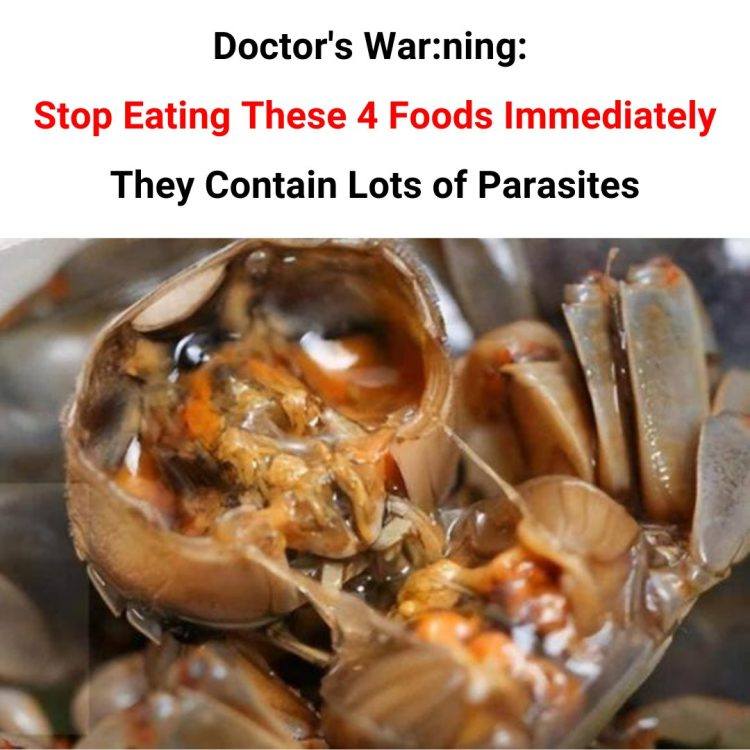
A dramatic headline is circulating across social media: “Doctors warn: Limit eating these 4 foods immediately, they contain a lot of parasites.” Posts like this are often accompanied by alarming images, vague references to “experts,” and a list of everyday foods meant to provoke fear. Unsurprisingly, the claim has gone viral. But how accurate is it? Are doctors really warning people to avoid certain foods because they’re “full of parasites,” or is this another example of health misinformation spreading online?
Let’s unpack where this claim comes from, why it sounds convincing, and what medical science actually says.
Why Parasite Claims Spread So Easily
Parasites trigger a strong emotional reaction. The idea that something alive is lurking inside food is disturbing, and fear-based content spreads faster than calm, evidence-based explanations. Social media algorithms tend to amplify sensational headlines, especially those that suggest hidden dangers in common habits like eating.
Most of these posts do not cite specific studies, name real doctors, or explain how parasites actually infect humans. Instead, they rely on half-truths mixed with exaggeration.
The “Four Foods” Usually Named
Although the lists vary, these viral posts almost always include the same types of foods:
-
Raw or undercooked meat (especially pork and beef)
-
Raw fish and sushi
-
Unwashed fruits and vegetables
-
Unpasteurized dairy products
At first glance, this list seems reasonable — but the context is often completely wrong.
What Doctors Actually Say About Parasites and Food
Medical professionals do not warn people to “immediately limit” these foods out of panic. Instead, doctors emphasize safe handling, proper cooking, and hygiene.
Parasites are not automatically present in these foods, nor do they infect people simply because the food exists. Infection depends on preparation, cleanliness, storage, and cooking temperature.
Let’s look at each category more accurately.
1. Raw or Undercooked Meat
It’s true that parasites such as Trichinella (in pork) or Toxoplasma can be transmitted through undercooked meat. However, modern food safety standards have dramatically reduced this risk in most countries.
Doctors do not say “avoid meat.” They say:
-
Cook meat to safe internal temperatures
-
Freeze meat when appropriate
-
Buy from reputable sources
Properly cooked meat does not contain live parasites.
2. Raw Fish and Sushi
Raw fish can carry parasites like Anisakis, which is why sushi-grade fish is frozen at very low temperatures before serving. This process kills parasites.
Medical advice does not ban sushi for healthy adults. Instead:
-
Eat sushi from licensed, reputable restaurants
-
Avoid raw fish if pregnant, immunocompromised, or advised otherwise by a doctor
Again, this is about risk management, not fear.
3. Unwashed Fruits and Vegetables
This is one area where doctors strongly agree: fruits and vegetables should always be washed.
Parasite eggs and bacteria can be present due to soil contamination or poor handling. But the solution is simple:
-
Wash thoroughly with clean running water
-
Peel when appropriate
-
Practice kitchen hygiene
Doctors encourage eating fruits and vegetables — they do not warn people to avoid them.
4. Unpasteurized Dairy Products
Unpasteurized milk and cheese can carry harmful bacteria and, rarely, parasites. That’s why many health authorities recommend pasteurized dairy, especially for children, elderly adults, and pregnant women.
However, this advice is decades old and well-established — not a sudden emergency warning.
The Biggest Red Flag: Vague “Doctor Warnings”
One of the clearest signs of misinformation is the phrase “doctors warn” without naming:
-
Which doctors
-
Which medical organization
-
Which study or guideline
Legitimate medical advice comes from institutions like the World Health Organization (WHO), Centers for Disease Control and Prevention (CDC), or peer-reviewed research — not anonymous viral posts.
Are Parasites Common in Humans?
In developed regions with access to clean water and regulated food systems, parasitic infections are relatively uncommon. When they do occur, they are usually linked to:
-
Poor sanitation
-
Unsafe water
-
Improper food preparation
Doctors focus far more on bacterial food poisoning than parasites when discussing food safety.
The Real Medical Advice (Without the Fear)
Instead of panicking over viral headlines, doctors consistently recommend:
-
Cook meat and fish properly
-
Wash produce thoroughly
-
Practice good hand hygiene
-
Store food safely
-
Follow local food safety guidelines
These steps dramatically reduce any risk — without cutting out nutritious foods.
The Bottom Line
The claim “Doctors warn: Limit eating these 4 foods immediately, they contain a lot of parasites” is misleading and exaggerated. It mixes small elements of truth with fear-driven language designed to go viral.
Doctors are not telling people to fear their food. They are encouraging informed, practical food safety habits.
Before sharing alarming health claims online, it’s worth asking:
