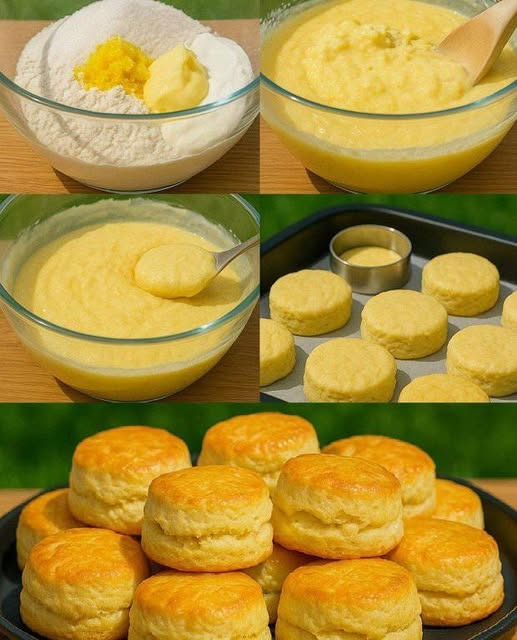
Gluten-Free Biscuits: Crispy, Comforting, and Perfect for Everyone
Gluten-free biscuits are no longer a compromise—they’re a delicious choice enjoyed by people with celiac disease, gluten sensitivity, or anyone simply looking to diversify their baking. Light, crumbly, and full of flavor, gluten-free biscuits can be just as satisfying as traditional ones when made with the right ingredients and techniques. Whether you enjoy them with tea, serve them as a snack, or pair them with savory dishes, these biscuits deserve a place in your kitchen.
What Makes a Biscuit Gluten-Free?
Traditional biscuits rely on wheat flour, which contains gluten—a protein that provides elasticity and structure. In gluten-free baking, this structure must be recreated using alternative flours and binding agents. The key is balance. A good gluten-free biscuit should be tender, slightly crisp on the outside, and soft inside, without being gritty or dry.
Common gluten-free flours include:
- Rice flour (light and neutral)
- Almond flour (rich and moist)
- Oat flour (mild and slightly sweet, ensure certified gluten-free)
- Corn flour or cornstarch (adds tenderness)
- Tapioca or potato starch (improves texture and chew)
Most successful recipes use a blend rather than a single flour.
Why People Love Gluten-Free Biscuits
Gluten-free biscuits aren’t just for those avoiding gluten. Many people enjoy them because they are:
- Easier to digest for sensitive stomachs
- Naturally lighter in texture
- Customizable for dairy-free, sugar-free, or vegan diets
- A great base for both sweet and savory flavors
From breakfast spreads to afternoon snacks, they adapt effortlessly to any occasion.
Basic Gluten-Free Biscuit Recipe
This simple recipe produces tender, flaky biscuits with minimal effort.
Ingredients:
- 2 cups gluten-free all-purpose flour (with xanthan gum)
- 1 tablespoon baking powder
- ½ teaspoon salt
- 1 tablespoon sugar (optional)
- 6 tablespoons cold butter or dairy-free margarine
- ¾ cup cold milk or plant-based milk
Instructions:
- Preheat the oven to 200°C (400°F). Line a baking tray with parchment paper.
- In a bowl, mix flour, baking powder, salt, and sugar.
- Cut cold butter into small cubes and rub into the flour until the mixture resembles coarse crumbs.
- Gradually add milk, mixing gently until a soft dough forms.
- Roll the dough between two sheets of parchment paper to about 1.5 cm thickness.
- Cut into rounds using a biscuit cutter or glass.
- Bake for 12–15 minutes, until lightly golden on top.
- Cool slightly before serving.
Tips for Perfect Gluten-Free Biscuits
- Keep ingredients cold: Cold butter helps create a flaky texture.
- Don’t overmix: Overworking the dough can make biscuits dense.
- Let the dough rest: Resting for 10 minutes allows flours to absorb moisture.
- Use parchment paper: Gluten-free dough is softer and easier to handle this way.
Sweet Variations
Gluten-free biscuits can easily be transformed into delightful sweet treats:
- Add vanilla and extra sugar for tea biscuits
- Mix in chocolate chips or raisins
- Sprinkle cinnamon sugar on top before baking
- Drizzle with honey or glaze once cooled
These versions pair perfectly with tea, coffee, or warm milk.
Savory Variations
Savory gluten-free biscuits are equally popular and incredibly versatile:
- Add grated cheese and herbs
- Mix in garlic powder or black pepper
- Serve with soups, stews, or breakfast eggs
- Use as a base for mini sandwiches
They make excellent dinner rolls or side dishes without anyone noticing they’re gluten-free.
Storage and Shelf Life
Gluten-free biscuits are best eaten fresh but store well when handled properly:
- Keep in an airtight container at room temperature for 2 days
- Refrigerate for up to 5 days
- Freeze baked biscuits for up to 2 months
To reheat, warm in the oven for a few minutes to restore freshness.
Are Gluten-Free Biscuits Healthier?
Gluten-free does not automatically mean healthier, but it can be beneficial for those with intolerance. Using whole-grain gluten-free flours like almond or oat flour adds fiber, protein, and healthy fats. Reducing refined sugar and pairing biscuits with nutrient-rich foods can make them part of a balanced diet.
Final Thoughts
Gluten-free biscuits prove that dietary restrictions don’t have to limit enjoyment. With the right flour blend, gentle handling, and a bit of creativity, you can make biscuits that are just as comforting, flavorful, and satisfying as traditional ones. Whether you prefer them sweet or savory, homemade gluten-free biscuits bring warmth to the table and confidence to the baker.
Once you master the basics, you’ll find endless ways to customize them—and you may never miss gluten at all.
