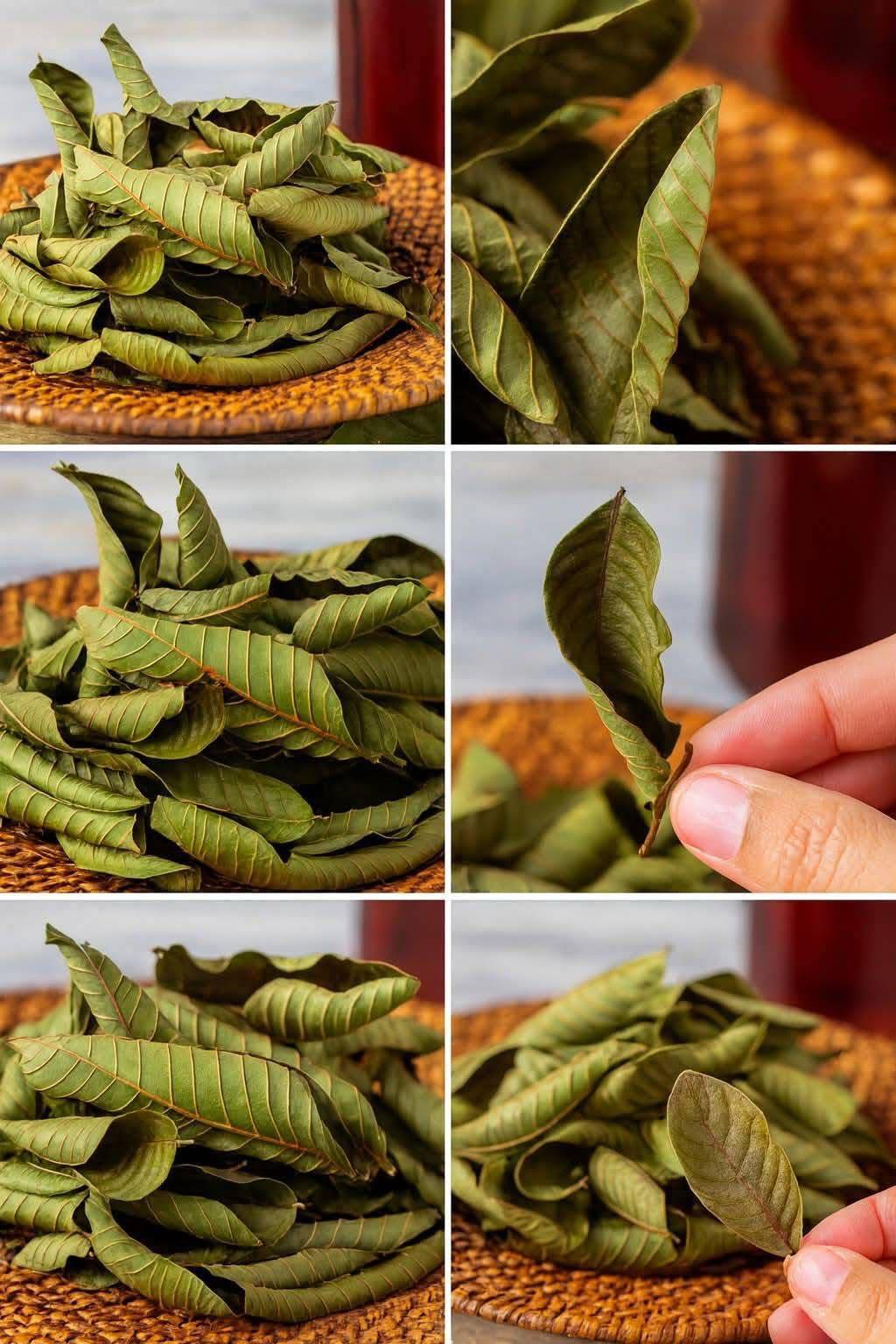
Guava leaves are one of those quiet miracles of nature. Overshadowed by the sweet, fragrant fruit, the leaves are often ignored, swept aside, or left to dry on the ground. But for generations across Asia, Africa, and Latin America, guava leaves have been treasured as a powerful natural remedy. Grandmothers brewed them into teas, healers crushed them into poultices, and households relied on them long before pharmacies existed. The real secret of guava leaves lies not in folklore alone—but in their remarkable healing compounds.
Guava leaves are rich in antioxidants such as quercetin, flavonoids, tannins, and polyphenols. These natural substances help fight inflammation, harmful bacteria, and oxidative stress in the body. What makes them truly special is how gentle yet effective they are, making them suitable for daily use when prepared correctly.
Why Guava Leaves Are So Powerful
The “hidden secret” of guava leaves is their ability to support multiple systems in the body at once. Traditionally, they have been used to help regulate blood sugar, calm digestive issues, strengthen immunity, and even improve skin and hair health. The tannins in the leaves have an astringent effect, which helps tighten tissues and reduce inflammation. Meanwhile, quercetin supports heart health and helps the body manage sugar metabolism more efficiently.
In many cultures, guava leaf tea is the go-to remedy for bloating, diarrhea, and stomach cramps. Modern research has begun to validate these uses, showing that guava leaves may help inhibit harmful gut bacteria while supporting healthy digestion.
But the true magic happens when the leaves are prepared the right way.
Healing Guava Leaf Tea Recipe
This simple recipe unlocks the full benefits hidden inside guava leaves. It’s easy, affordable, and can be made at home with minimal effort.
Ingredients
-
8–10 fresh guava leaves (or 1 tablespoon dried guava leaves)
-
2 cups water
-
Optional: ½ teaspoon honey or a slice of ginger
Instructions
-
Wash the leaves thoroughly
If using fresh guava leaves, rinse them well under running water to remove dust or residue. This step is important, especially if the leaves are picked from outdoors. -
Boil the water
Add 2 cups of water to a pot and bring it to a gentle boil. -
Add the guava leaves
Tear the leaves slightly with your hands before adding them to the boiling water. This helps release their beneficial compounds. -
Simmer gently
Reduce the heat and let the leaves simmer for 10–15 minutes. The water will gradually turn light brown or greenish, and the aroma will become earthy and soothing. -
Strain and serve
Remove from heat, strain the tea into a cup, and allow it to cool slightly. Add honey or ginger if desired, but keep it simple for maximum benefit.
How to Drink It
-
Drink 1 cup in the morning on an empty stomach for digestive and blood sugar support.
-
A second cup can be taken in the evening to reduce inflammation and calm the body.
What Happens When You Drink Guava Leaf Tea Regularly
When consumed consistently (but not excessively), guava leaf tea may help:
-
Support healthy blood sugar levels
-
Reduce bloating and gas
-
Ease stomach discomfort
-
Strengthen the immune system
-
Improve skin clarity due to its antibacterial properties
Some people also use cooled guava leaf tea as a natural hair rinse to help reduce dandruff and strengthen hair roots.
Important Tips and Precautions
While guava leaves are natural, more is not always better. Stick to 1–2 cups per day. Pregnant or breastfeeding women and people on medication for diabetes should consult a healthcare professional before regular use, as guava leaves may enhance blood sugar–lowering effects.
Always use clean, pesticide-free leaves. If you’re unsure, dried guava leaves from a trusted herbal source are a safe alternative.
The Real Secret
The real secret hidden in guava leaves isn’t just their nutrients—it’s their balance. They work gently with the body, not against it. In a world full of quick fixes and harsh chemicals, guava leaves remind us that some of the most powerful remedies are quiet, green, and growing right in our backyards.
Sometimes, healing doesn’t come from something new. It comes from remembering what nature has been offering us all along 🌿
