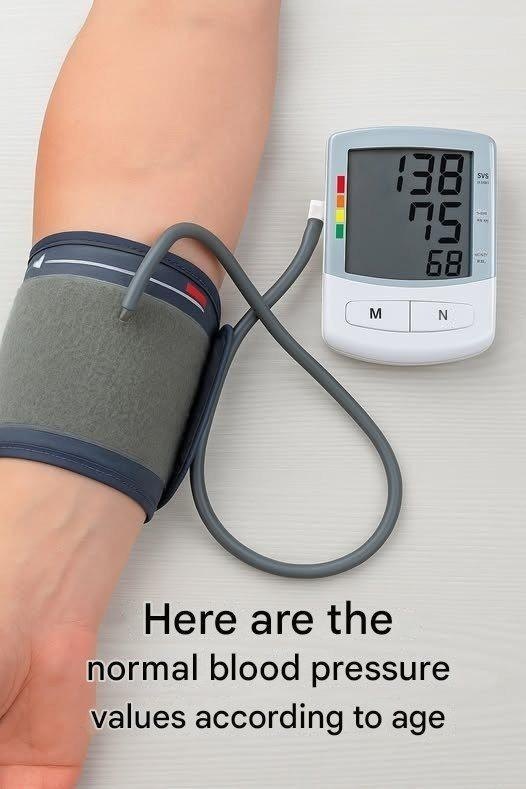
Understanding Normal Blood Pressure Values According to Age
Blood pressure (BP) is one of the most crucial indicators of overall health, reflecting the force exerted by circulating blood on the walls of blood vessels. Maintaining a healthy blood pressure is essential because deviations—either too high or too low—can lead to serious health issues, including heart disease, stroke, kidney problems, and cognitive decline. Blood pressure is expressed in millimeters of mercury (mmHg) as two numbers: systolic pressure (the pressure when the heart beats) over diastolic pressure (the pressure when the heart rests between beats).
Normal Blood Pressure Ranges:
The American Heart Association (AHA) defines normal blood pressure for adults as:
- Systolic: Less than 120 mmHg
- Diastolic: Less than 80 mmHg
Values above this range are categorized as:
- Elevated: 120–129 / <80 mmHg
- Hypertension Stage 1: 130–139 / 80–89 mmHg
- Hypertension Stage 2: ≥140 / ≥90 mmHg
- Hypertensive Crisis: >180 / >120 mmHg (requires immediate medical attention)
However, blood pressure is not a one-size-fits-all measurement. It naturally changes throughout life, influenced by age, activity levels, genetics, diet, weight, and overall health. Understanding the typical blood pressure ranges according to age helps identify potential health risks early.
Blood Pressure in Children
Children’s blood pressure is significantly lower than that of adults and varies based on age, sex, and height percentile. Pediatric blood pressure is usually measured during routine health check-ups and compared against standardized percentile charts.
- Newborns (0–1 month): 60–90 / 20–60 mmHg
- Infants (1–12 months): 70–100 / 50–65 mmHg
- Toddlers (1–2 years): 85–105 / 50–65 mmHg
- Preschool (3–5 years): 90–110 / 55–70 mmHg
- School-age (6–12 years): 95–115 / 60–75 mmHg
- Adolescents (13–18 years): 110–120 / 65–80 mmHg
Blood pressure in children is sensitive to stress, illness, and growth spurts. Regular monitoring is essential, especially for those with a family history of hypertension, obesity, or chronic kidney disease.
Blood Pressure in Adults
For adults, blood pressure gradually rises with age due to natural changes in blood vessels, including reduced elasticity and increased arterial stiffness. Lifestyle factors—such as diet, physical activity, smoking, alcohol consumption, and stress—also play a significant role.
Normal Adult Blood Pressure by Age:
- Age 18–29: 110–120 / 70–80 mmHg
- Age 30–39: 112–122 / 72–82 mmHg
- Age 40–49: 115–125 / 75–85 mmHg
- Age 50–59: 118–128 / 76–86 mmHg
- Age 60–69: 120–130 / 78–85 mmHg
- Age 70 and above: 120–140 / 80–90 mmHg
It is important to note that while slight increases in systolic pressure are considered normal with aging, diastolic pressure usually remains stable or slightly decreases after 60 years. Elevated blood pressure in adults is a significant risk factor for cardiovascular diseases.
Blood Pressure in Older Adults
In older adults, particularly those above 65, systolic hypertension becomes more common due to stiffening of the large arteries (a condition known as isolated systolic hypertension).
- Systolic: 120–140 mmHg (acceptable range, depending on overall health)
- Diastolic: 70–80 mmHg
Healthcare providers often adopt a more individualized approach to blood pressure management in older adults, weighing the benefits of tight control against the risk of falls or other complications.
Factors Affecting Blood Pressure Across Ages
- Genetics: Family history of hypertension increases susceptibility at any age.
- Diet: High sodium intake can elevate blood pressure; potassium-rich foods help lower it.
- Physical Activity: Sedentary lifestyle contributes to higher BP; regular exercise lowers it.
- Weight: Overweight and obesity are strongly linked with hypertension.
- Stress: Chronic stress can temporarily increase BP and contribute to long-term hypertension.
- Hormonal Changes: Pregnancy, menopause, and thyroid disorders can affect blood pressure levels.
Monitoring and Maintaining Healthy Blood Pressure
Consistent monitoring is crucial. Adults should check their blood pressure at least once every two years if normal, or more frequently if elevated. Home blood pressure monitors are widely available and can provide more accurate readings by tracking BP over several days.
Tips to Maintain Healthy Blood Pressure:
- Reduce Salt Intake: Keep sodium under 2,300 mg per day.
- Eat a Balanced Diet: Emphasize fruits, vegetables, whole grains, and lean proteins.
- Exercise Regularly: At least 150 minutes of moderate activity per week.
- Maintain Healthy Weight: Even a modest weight loss can significantly lower BP.
- Avoid Tobacco and Limit Alcohol: Both raise blood pressure and increase heart disease risk.
- Manage Stress: Techniques such as meditation, yoga, and deep breathing can help.
- Get Regular Check-ups: Early detection of abnormal blood pressure can prevent serious complications.
Conclusion
Blood pressure is a dynamic parameter that changes naturally with age. Understanding the normal ranges according to age is essential for recognizing early signs of hypertension or hypotension. In children, blood pressure is relatively low but gradually rises with growth. In adults, normal BP ranges increase slightly with age, especially systolic pressure. Older adults often experience isolated systolic hypertension due to arterial stiffening, requiring careful management.
Maintaining healthy blood pressure involves a combination of lifestyle habits, regular monitoring, and medical guidance when necessary. By understanding your blood pressure trends relative to your age group, you can take proactive steps to protect your cardiovascular health, prevent complications, and ensure a better quality of life for years to come.
References:
- American Heart Association (AHA). Understanding Blood Pressure Readings.
- National Heart, Lung, and Blood Institute (NHLBI). High Blood Pressure in Children and Teens.
- Whelton PK, Carey RM, Aronow WS, et al. 2017 ACC/AHA Guideline for the Prevention, Detection, Evaluation, and Management of High Blood Pressure in Adults.
