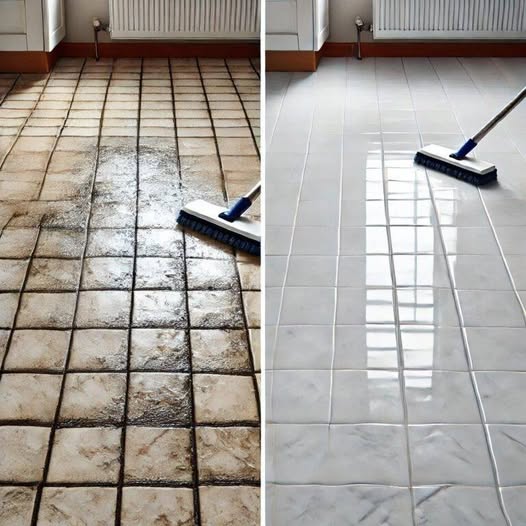
Keeping your floors spotless doesn’t require a cupboard full of expensive chemicals. In fact, you can achieve sparkling-clean, fresh-smelling floors using just three simple ingredients—most of which you probably already have at home. This minimalist method is affordable, eco-friendly, and surprisingly powerful. Best of all, it works on most common floor types when used correctly.
Let’s break down the method, why it works so well, and how to adapt it for different floors so your home looks cleaner than ever.
The 3 Simple Ingredients
You only need:
-
Warm water
-
White vinegar
-
Mild dish soap
That’s it. No harsh fumes, no residue, no unnecessary additives.
Why These Ingredients Work
-
Warm water loosens dirt, grease, and dried spills.
-
White vinegar cuts through grime, neutralizes odors, and helps kill many bacteria thanks to its natural acidity.
-
Mild dish soap breaks down grease and sticky residue without damaging surfaces when used sparingly.
Together, they create a balanced cleaner that removes dirt effectively without leaving floors dull or slippery.
The Basic Floor-Cleaning Recipe
Use this simple formula:
-
1 bucket of warm water
-
½ cup white vinegar
-
1 teaspoon mild dish soap
Mix gently to avoid excessive suds. More soap is not better—too much can leave a film that attracts dirt.
Step-by-Step: How to Clean Your Floors Properly
-
Sweep or vacuum first
Always remove dust, hair, and debris before mopping. This prevents scratching and muddy residue. -
Dip and wring your mop well
Floors should be damp, not soaking wet. Excess water can damage wood and seep into grout. -
Mop in sections
Work in small areas, rinsing your mop regularly to avoid spreading dirty water. -
Let air-dry or buff lightly
Most floors will dry streak-free. For extra shine, buff with a clean, dry microfiber cloth.
Best Floor Types for This Method
Tile and Ceramic Floors
This mixture is ideal for tile. Vinegar helps dissolve grime in grout lines, while dish soap lifts grease—especially in kitchens.
Tip: For tough grout, let the solution sit for 5 minutes before mopping.
Vinyl and Laminate Floors
Laminate and vinyl floors clean beautifully with this gentle solution when the mop is well-wrung.
Important: Avoid soaking these floors. Too much moisture can cause warping over time.
Hardwood Floors (With Care)
This method can be used on sealed hardwood floors only.
-
Use less vinegar (¼ cup per bucket)
-
Mop lightly with minimal moisture
If your hardwood is waxed or unsealed, skip vinegar and use only water with a tiny drop of dish soap.
Stone Floors (Granite, Marble, Slate)
Use caution. Vinegar can damage natural stone.
Stone-safe adjustment:
-
Warm water
-
A few drops of mild dish soap
-
No vinegar
This still cleans effectively without etching the surface.
Why This Method Beats Store-Bought Cleaners
1. No Chemical Buildup
Many commercial cleaners leave residues that make floors look dull and attract dirt faster. This simple mix rinses clean.
2. Budget-Friendly
A bottle of vinegar and dish soap costs a fraction of specialized floor cleaners and lasts for months.
3. Eco-Friendly and Family-Safe
No harsh fumes, no artificial dyes, and no questionable ingredients—safer for kids, pets, and indoor air quality.
4. Naturally Deodorizing
Vinegar neutralizes odors instead of masking them, leaving floors smelling clean, not perfumed.
Common Mistakes to Avoid
-
Never mix vinegar with bleach. This creates toxic fumes.
-
Don’t use too much soap. It causes streaking and buildup.
-
Avoid boiling water. Extremely hot water can damage some floor finishes.
-
Skipping pre-cleaning. Mopping over dirt just spreads it around.
How Often Should You Clean Floors?
-
High-traffic areas: 2–3 times per week
-
Bedrooms and low-traffic rooms: Once a week
-
Kitchens: Light cleaning daily, deep cleaning weekly
Consistency matters more than harsh products.
Final Thoughts
You don’t need fancy formulas or strong chemicals to get truly clean floors. With just warm water, white vinegar, and mild dish soap, you can transform dull, dirty floors into fresh, gleaming surfaces—naturally and affordably.
Once you try this simple method, you may never go back to store-bought cleaners. Sometimes, the cleanest solutions really are the simplest.
