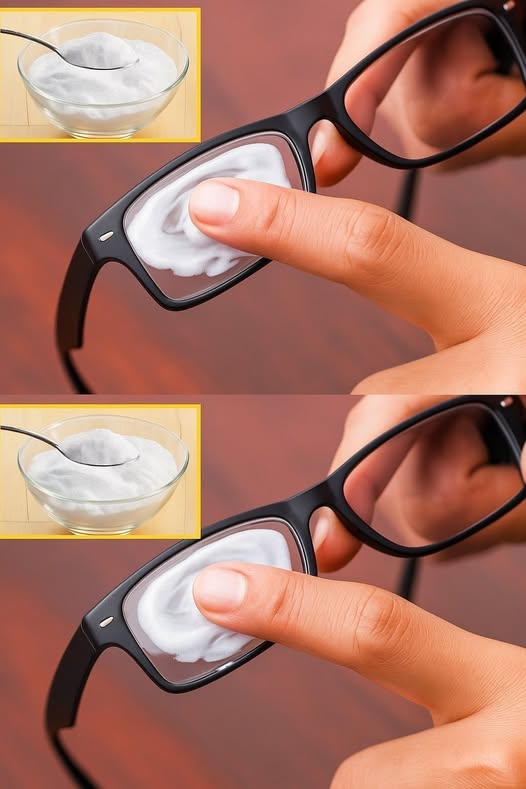
How to Remove Scratches from Glasses and Restore Their New, Shiny Appearance: A Simple Recipe
Scratched glasses are one of those small problems that can quickly turn into a daily annoyance. Every time light hits the lens just right, those tiny marks seem to shout for attention. While deep scratches often require professional repair or replacement, minor scratches and dullness can often be reduced or improved at home using simple, affordable ingredients. With the right technique and a little patience, you can restore clarity and give your glasses a fresher, shinier look.
Before starting, it’s important to understand one key rule: these methods work best for light surface scratches, not deep gouges or cracked lenses. Always test any method on a small corner of the lens first.
Why Do Glasses Get Scratched So Easily?
Eyeglass lenses may look tough, but they’re surprisingly vulnerable. Common causes include:
-
Wiping lenses with clothing or paper towels
-
Dust and sand particles rubbing against the surface
-
Storing glasses without a protective case
-
Placing lenses face down on hard surfaces
Over time, even careful handling can lead to micro-scratches that reduce clarity and shine.
A Simple Homemade Recipe to Reduce Scratches
This easy recipe uses ingredients found in most homes. It doesn’t magically erase scratches, but it can smooth their appearance and restore shine, making them far less noticeable.
What You’ll Need:
-
1 tablespoon baking soda
-
A few drops of clean water
-
A soft microfiber cloth
Step-by-Step Instructions
-
Clean the Glasses First
Rinse your glasses under lukewarm water to remove dust and debris. This step is crucial—rubbing dirt into the lens can create new scratches. -
Prepare the Paste
Mix the baking soda with just enough water to form a thick, smooth paste. It should not be watery or grainy. -
Apply Gently
Using a microfiber cloth, apply a small amount of paste to the scratched area. Use light, circular motions. Do not press hard—gentleness is key. -
Polish Slowly
Continue rubbing in circles for 10–20 seconds. This helps smooth the surface and reduce the visibility of fine scratches. -
Rinse and Dry
Rinse the lenses thoroughly with lukewarm water and dry them with a clean microfiber cloth. -
Inspect the Results
If needed, repeat once more. Avoid doing this too often, as excessive polishing can damage lens coatings.
Why This Method Works
Baking soda is a mild abrasive. When used carefully, it can smooth the edges of tiny scratches so light reflects more evenly across the lens. This improves clarity and shine, making scratches much less noticeable.
Alternative Home Remedies (Use with Caution)
Toothpaste (Non-Gel Only)
-
Use plain white toothpaste without whitening agents.
-
Apply a small amount with a microfiber cloth.
-
Rub gently in circles, then rinse and dry.
This method works similarly to baking soda but should be used sparingly.
Car Wax or Furniture Polish
-
A tiny amount can fill in fine scratches temporarily.
-
Apply lightly, then buff gently.
-
This improves appearance but is not a permanent fix.
What You Should NEVER Use
Some online tips can actually ruin your glasses. Avoid these completely:
-
❌ Vinegar
-
❌ Lemon juice
-
❌ Window cleaner with ammonia
-
❌ Paper towels or tissues
-
❌ Rough cloths or sponges
These can strip protective coatings or create more scratches.
Can This Damage Anti-Reflective Coatings?
Yes—this is important. Many modern lenses have special coatings such as anti-glare or blue-light filters. Mild polishing may reduce scratches but can also weaken coatings if overused.
Tips to stay safe:
-
Always test first
-
Use minimal pressure
-
Do not repeat frequently
-
Stop immediately if the lens becomes cloudy
If your glasses are expensive or heavily coated, professional advice is safer.
When Home Remedies Aren’t Enough
If scratches are deep, blurry lines appear, or vision is affected, it’s time to consider:
-
Professional lens polishing
-
Replacing lenses only (often cheaper than new frames)
-
Using glasses for backup and getting a new pair
No home method can fully repair deep scratches without risk.
How to Prevent Future Scratches
Once your glasses look better, protect them:
-
Always store glasses in a hard case
-
Clean lenses with microfiber cloths only
-
Rinse before wiping
-
Avoid placing lenses face down
-
Never clean glasses dry
Good habits can add years to your lenses.
Final Thoughts
Scratches on glasses don’t always mean it’s time for a replacement. With this simple baking soda recipe, light scratches can be reduced, clarity improved, and shine restored—using items you already have at home. While results vary, many people are surprised by how much better their lenses look after just one careful treatment.
A little patience, a gentle touch, and proper care can keep your glasses looking clean, clear, and almost new again.
