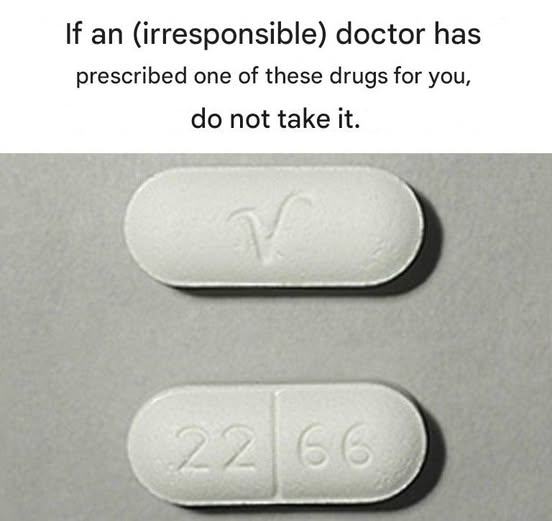
Medications save lives every day, relieve pain, manage chronic illness, and help millions of people live better. However, not all prescriptions are as harmless as they seem. Some widely used medications come with serious side effects, long-term risks, or hidden dangers that many patients are never fully warned about. If you have ever been prescribed one of the medications below, this information could be important for your health and safety.
Important note: Never stop or change a prescribed medication without speaking to your doctor. The goal is awareness—not fear.
1. Proton Pump Inhibitors (PPIs)
Examples: Omeprazole, Pantoprazole, Esomeprazole
These drugs are commonly prescribed for acid reflux, GERD, and stomach ulcers. While effective short-term, long-term use has been linked to:
-
Increased risk of bone fractures
-
Vitamin B12 and magnesium deficiency
-
Kidney disease
-
Higher risk of certain infections
Many people stay on PPIs for years when they were intended for short-term use only. If you’ve been taking them daily for months or years, it’s worth discussing alternatives with your doctor.
2. Statins (Cholesterol-Lowering Drugs)
Examples: Atorvastatin, Simvastatin, Rosuvastatin
Statins reduce cholesterol and lower heart attack risk, but they may also cause:
-
Muscle pain and weakness
-
Liver enzyme changes
-
Memory issues or brain fog (in some people)
-
Increased risk of type 2 diabetes
Not everyone experiences side effects, but muscle pain is often dismissed as “aging” when it may be medication-related.
3. Benzodiazepines (Anti-Anxiety & Sleep Medications)
Examples: Diazepam (Valium), Alprazolam (Xanax), Lorazepam (Ativan)
These medications work quickly, but they come with serious risks:
-
Dependence and addiction
-
Withdrawal symptoms (including seizures)
-
Memory problems
-
Increased fall risk in older adults
Even when taken as prescribed, benzodiazepines can be difficult to stop safely without medical supervision.
4. Opioid Painkillers
Examples: Oxycodone, Hydrocodone, Morphine
Opioids are powerful pain relievers, but they are also highly addictive. Risks include:
-
Physical dependence
-
Respiratory depression
-
Constipation and hormonal imbalance
-
Increased overdose risk
What starts as short-term pain relief can quietly turn into long-term dependence, even in people who follow instructions carefully.
5. Antibiotics (When Overused)
Examples: Amoxicillin, Ciprofloxacin, Azithromycin
Antibiotics are lifesaving, but unnecessary or repeated use can:
-
Destroy beneficial gut bacteria
-
Cause digestive issues and yeast infections
-
Contribute to antibiotic resistance
Some antibiotics, especially fluoroquinolones, have been associated with tendon damage and nerve problems in rare cases.
6. Steroids (Corticosteroids)
Examples: Prednisone, Dexamethasone
Steroids reduce inflammation fast, but long-term use may lead to:
-
Weakened immune system
-
Weight gain and high blood sugar
-
Bone thinning (osteoporosis)
-
Mood changes and insomnia
Even short courses can cause noticeable side effects in sensitive individuals.
7. Antidepressants (SSRIs & SNRIs)
Examples: Fluoxetine, Sertraline, Venlafaxine
These medications help millions, but they can also cause:
-
Sexual dysfunction
-
Emotional numbness
-
Weight changes
-
Withdrawal symptoms if stopped abruptly
Some people remain on antidepressants for years without regular re-evaluation of whether they are still needed.
8. Blood Pressure Medications
Examples: Beta-blockers, ACE inhibitors, Diuretics
These drugs are essential for many patients, but side effects may include:
-
Dizziness and fatigue
-
Electrolyte imbalances
-
Chronic cough (with ACE inhibitors)
Side effects are sometimes mistaken for “normal aging” rather than medication-related issues.
Why This Matters More Than Ever
Many medications are prescribed quickly during short appointments, and patients may not be told about long-term risks or alternative options. Over time, prescriptions can pile up, increasing the risk of drug interactions and unnecessary side effects.
Being informed allows you to:
-
Ask better questions
-
Recognize warning signs early
-
Avoid unnecessary long-term use
-
Work with your doctor on safer alternatives
What You Should Do Now
-
Review your current medications
-
Ask your doctor why each one is necessary
-
Discuss duration, side effects, and alternatives
-
Never stop a medication abruptly without guidance
Final Thought
Medications are powerful tools—but power requires respect. If you’ve ever been prescribed any of these drugs, awareness could protect your health in ways you never expected. Knowledge doesn’t replace medical care—but it can make you a safer, smarter patient.
