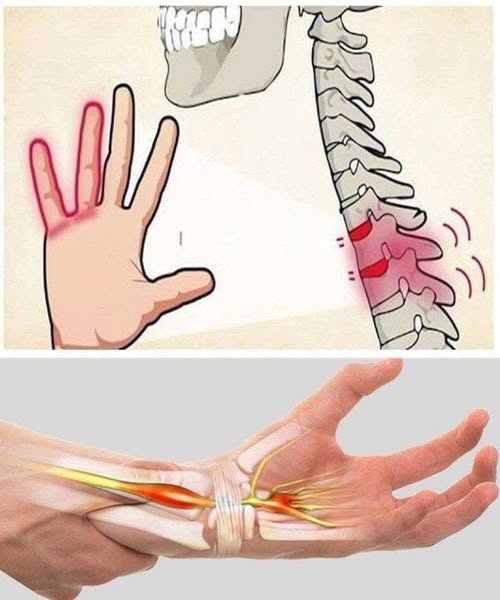
That familiar tingling. The pins-and-needles sensation. The sudden numbness that makes you shake your hand like it’s gone offline. Most of us brush it off with a casual, “I must’ve slept on it wrong.” And often, that’s true. But when your hands fall asleep frequently—or without an obvious reason—it can be your body quietly waving a red flag.
So what does it really mean when your hands keep going numb? Let’s break it down, calmly and clearly, without fear-mongering—just facts your body wishes you’d listen to.
The Most Common (and Harmless) Reason: Pressure on Nerves
In many cases, hand numbness is simply caused by temporary nerve compression. Sitting with your elbows bent for too long, sleeping with your wrist folded, or resting your head on your hand can cut off nerve signals briefly.
Once you change position, blood flow and nerve communication return, and the sensation fades.
Harmless signs include:
-
Numbness that goes away within minutes
-
Tingling only after pressure or awkward positioning
-
No pain, weakness, or ongoing symptoms
If this sounds like you, take a breath—you’re likely fine.
But If It Keeps Happening… Your Nerves May Be Under Stress
When numbness becomes frequent, persistent, or happens during normal activities, it’s often a sign of nerve irritation or damage.
One of the most common culprits?
Carpal Tunnel Syndrome
This occurs when the median nerve is compressed as it travels through the wrist.
Clues include:
-
Numbness in the thumb, index, and middle fingers
-
Symptoms worse at night
-
Weak grip or dropping objects
-
Tingling that travels up the arm
Carpal tunnel is especially common in people who type, use tools, or repeat wrist motions daily.
A Warning Sign of Vitamin Deficiency (Especially B12)
Your nerves depend on certain nutrients to function properly. A deficiency—particularly vitamin B12—can cause tingling, numbness, or a “buzzing” sensation in the hands and feet.
This is more common than people realize, especially in:
-
Older adults
-
Vegetarians or vegans
-
People with digestive issues
-
Those taking acid-reducing medications
Left untreated, B12 deficiency can lead to permanent nerve damage, so this one is worth checking early.
Poor Circulation: When Blood Flow Isn’t Keeping Up
If your hands feel numb, cold, or pale—especially in response to cold temperatures—you may be dealing with circulation issues.
One example is Raynaud’s phenomenon, where small blood vessels overreact to cold or stress, temporarily limiting blood flow to the fingers.
Signs include:
-
Fingers turning white or bluish
-
Numbness followed by throbbing as circulation returns
-
Symptoms triggered by cold or anxiety
While often manageable, it can sometimes signal an underlying condition that needs attention.
Diabetes and Blood Sugar Imbalance
Persistent hand numbness can also be an early sign of diabetic neuropathy—nerve damage caused by elevated blood sugar levels.
This numbness often:
-
Starts gradually
-
Affects both hands or feet
-
Feels like tingling, burning, or loss of sensation
What’s tricky is that this can appear before diabetes is diagnosed, making it a critical symptom not to ignore.
Neck and Spine Issues You Might Not Expect
Your hands are directly connected to nerves that originate in your neck and upper spine. Problems such as:
-
Herniated discs
-
Cervical arthritis
-
Poor posture
can compress these nerves, leading to numbness, tingling, or weakness in the hands.
If your symptoms worsen when turning your head or sitting for long periods, your neck—not your hands—may be the real source.
Anxiety and Stress Can Trigger Real Physical Symptoms
Surprisingly, anxiety and chronic stress can cause hand numbness too.
During anxiety, rapid breathing and muscle tension can reduce blood flow and alter nerve signaling, leading to tingling sensations—very real, even if the cause is emotional rather than physical.
This doesn’t mean “it’s all in your head.” It means your nervous system is overloaded and asking for relief.
When to Take It Seriously
You should not ignore hand numbness if it:
-
Happens regularly
-
Lasts longer than a few minutes
-
Is accompanied by weakness or pain
-
Affects one side of the body suddenly
-
Interferes with daily tasks
These can be signs of more serious neurological or circulatory issues that need professional evaluation.
The Bottom Line
When your hands fall asleep occasionally, it’s usually harmless. But when it becomes frequent or unexplained, it’s your body’s way of saying “Pay attention.”
Your nerves, circulation, nutrition, posture, and even stress levels all play a role—and catching the cause early can prevent long-term damage.
