Garlic, known scientifically as Allium sativum, has been celebrated for centuries not only as a flavorful culinary ingredient but also as a potent medicinal plant. Traditional medicine systems across the globe—from Ayurveda in India to Traditional Chinese Medicine—have long recommended garlic for treating infections and boosting overall health. Modern science has increasingly validated some of these claims, particularly garlic’s remarkable antibacterial and antimicrobial properties.
One of the most cited reasons garlic is considered medicinal is its rich content of sulfur-containing compounds, particularly allicin. Allicin is produced when fresh garlic cloves are crushed or chopped, activating an enzymatic reaction that converts alliin into allicin. This compound is highly reactive and possesses strong antibacterial, antifungal, and antiviral properties. Studies have shown that allicin can interfere with the growth of harmful microorganisms by disrupting their cellular function and metabolism.
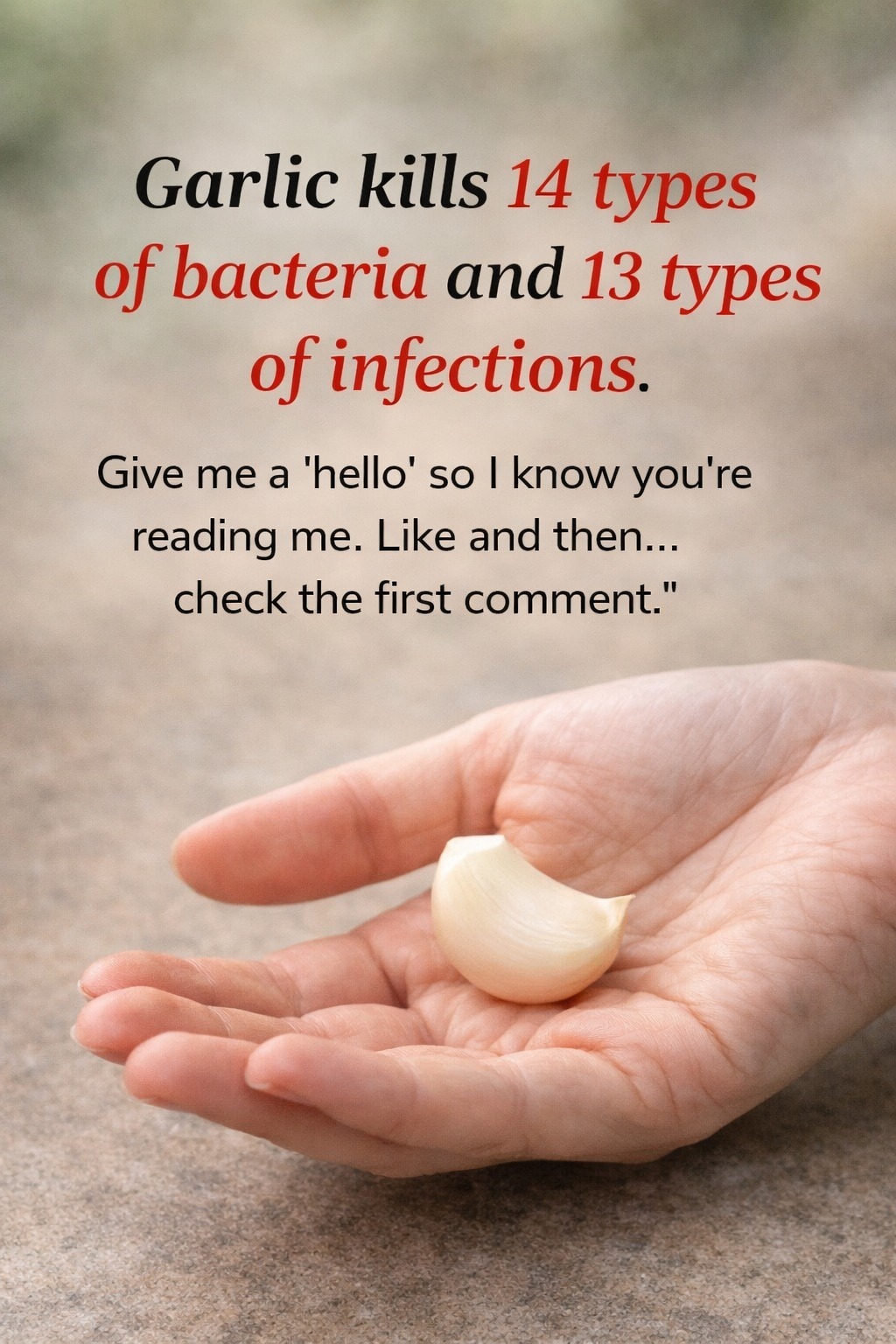
The claim that garlic can “kill 14 types of bacteria and 13 types of infections” is somewhat simplified, but it is based on real research demonstrating garlic’s broad-spectrum antimicrobial activity. Laboratory studies have shown that garlic can inhibit or destroy various pathogenic bacteria, including:
-
Escherichia coli (E. coli) – common cause of foodborne illness and urinary tract infections.
-
Staphylococcus aureus – including methicillin-resistant strains (MRSA), which are responsible for skin infections and serious hospital-acquired infections.
-
Salmonella – another major foodborne pathogen.
-
Listeria monocytogenes – known for contaminating refrigerated foods and causing severe illness.
-
Helicobacter pylori – a bacterium associated with stomach ulcers and chronic gastritis.
-
Klebsiella – which can cause pneumonia, urinary tract infections, and bloodstream infections.
-
Shigella – responsible for dysentery and gastrointestinal infections.
-
Pseudomonas aeruginosa – often found in hospital settings and known for antibiotic resistance.
-
Bacillus cereus – linked to food poisoning.
-
Clostridium perfringens – another foodborne pathogen causing intestinal infections.
-
Mycobacterium tuberculosis – preliminary studies suggest some inhibitory effects.
-
Streptococcus species – including those causing throat infections.
-
Enterococcus species – some of which are highly resistant to antibiotics.
-
Vibrio species – including those causing cholera and seafood-borne infections.
These examples demonstrate garlic’s impressive antimicrobial range, which is why it is often called a “natural antibiotic.” It’s important to note, however, that much of this evidence comes from in vitro studies (laboratory experiments on bacteria outside the human body). While the antibacterial effect is clear in petri dishes, real-world efficacy can vary depending on the form of garlic (raw, cooked, or aged extract) and the dosage.
In addition to bacteria, garlic has shown activity against fungi and certain viruses. For instance, it can help inhibit Candida albicans, the fungus responsible for yeast infections, and may also offer mild antiviral effects against influenza and other viral pathogens. Hence, the statement about “13 types of infections” likely refers to this broader spectrum, including bacterial, fungal, and viral infections. These infections include:
-
Respiratory infections (common cold, flu, bronchitis).
-
Urinary tract infections (UTIs).
-
Gastrointestinal infections (caused by Salmonella, E. coli, Shigella).
-
Skin infections (caused by Staphylococcus aureus).
-
Ear infections (otitis media).
-
Yeast infections (Candida).
-
Gastric ulcers (caused by H. pylori).
-
Cholera (Vibrio infection).
-
Pneumonia (caused by Klebsiella, Streptococcus).
-
Food poisoning (caused by Bacillus cereus, Clostridium perfringens).
-
Sinus infections (sinusitis).
-
Hospital-acquired infections (resistant strains like MRSA or Pseudomonas).
-
Viral respiratory infections (e.g., influenza-like illnesses).
Despite garlic’s proven potential, it is not a substitute for professional medical care. For severe bacterial infections, especially those requiring antibiotics, relying solely on garlic could be dangerous. However, garlic can complement conventional treatment, boost immunity, and may reduce infection severity. Moreover, it is generally safe for daily consumption in moderate amounts. The typical recommendation is 1–2 raw cloves per day, though supplements are available for those who dislike the strong taste or odor.
It is also worth noting that the way garlic is prepared affects its effectiveness. Crushing or chopping raw garlic and letting it sit for a few minutes before cooking can maximize allicin formation. Cooking at high temperatures for long periods, however, may destroy much of its antibacterial properties.
In conclusion, the claim that garlic kills “14 types of bacteria and 13 types of infections” is grounded in scientific evidence, though it is somewhat generalized. Garlic does indeed possess broad-spectrum antimicrobial properties thanks to compounds like allicin, and it has been shown in studies to inhibit many bacteria, fungi, and some viruses. While not a replacement for antibiotics or antiviral medications, garlic is a powerful natural supplement that can support the body’s defense against infections and promote overall health. Including garlic regularly in your diet is a simple, tasty, and historically validated way to harness its protective benefits.
