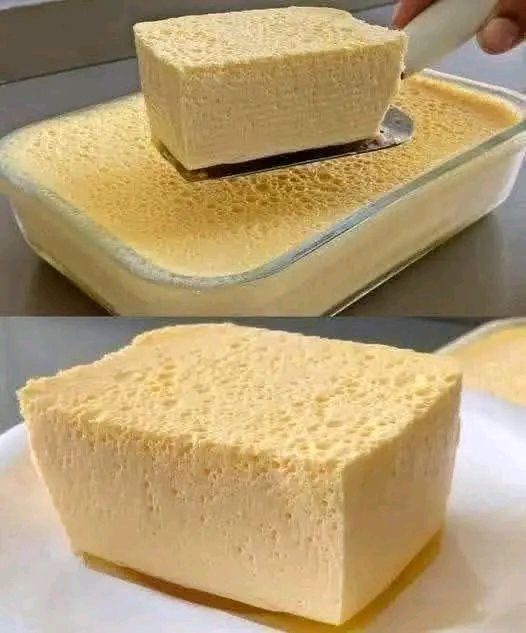
Japanese cotton cheesecake—also known as Japanese soufflé cheesecake—is a delicate fusion of classic cheesecake and airy sponge cake. Unlike dense New York–style cheesecake, this version is incredibly light, fluffy, and gently sweet, with a soft jiggle that feels almost magical. Each bite melts on your tongue like cotton, which is exactly how it earned its name.
This dessert may look intimidating, but with the right technique and patience, you can create bakery-quality results at home.
Why You’ll Love This Cheesecake
-
Ultra-light and airy texture
-
Not overly sweet
-
Low flour and gentle richness
-
Perfect for tea, coffee, or special occasions
-
Beautiful rise with a soft jiggle
Ingredients (Serves 6–8)
Cream Cheese Mixture
-
250 g (9 oz) cream cheese, softened
-
50 g (¼ cup) unsalted butter
-
100 ml (⅓ cup + 1 tbsp) whole milk
Egg Yolks
-
6 large eggs, separated
-
60 g (½ cup) cake flour (or all-purpose flour, sifted)
-
20 g (2 tbsp) cornstarch
-
1 tsp vanilla extract
-
1 tbsp lemon juice
Meringue
-
6 egg whites
-
120 g (½ cup + 2 tbsp) granulated sugar
-
¼ tsp cream of tartar (optional, but recommended)
Equipment You’ll Need
-
8-inch (20 cm) round cake pan
-
Parchment paper
-
Mixing bowls
-
Hand or stand mixer
-
Baking tray for water bath
Step-by-Step Instructions
1. Prepare the Pan and Oven
Line the bottom and sides of your cake pan with parchment paper. Wrap the outside of the pan tightly with aluminum foil to prevent water from seeping in.
Preheat your oven to 160°C (320°F). Boil water for the water bath.
2. Melt the Cream Cheese Base
In a heatproof bowl, combine cream cheese, butter, and milk. Place the bowl over a pot of gently simmering water (double boiler method). Stir continuously until smooth and creamy.
Remove from heat and let cool slightly.
3. Add Egg Yolks and Flavoring
Whisk in the egg yolks one at a time, mixing gently to avoid incorporating air. Add vanilla extract and lemon juice.
Sift in the cake flour and cornstarch. Fold gently until smooth and lump-free. Set aside.
4. Make the Meringue
In a clean bowl, beat egg whites on medium speed until foamy. Add cream of tartar.
Gradually add sugar in three additions, beating until soft to medium peaks form. The meringue should be glossy and hold its shape but still bend slightly at the tip.
5. Fold Gently (Very Important)
Add one-third of the meringue to the cream cheese batter and fold gently to loosen the mixture.
Add the remaining meringue in two additions, folding carefully with a spatula using a bottom-to-top motion. Do not overmix—this step determines the cake’s airy texture.
6. Bake in a Water Bath
Pour the batter into the prepared pan and tap gently to release air bubbles.
Place the pan into a larger baking tray. Pour hot water into the tray until it reaches halfway up the sides of the cake pan.
Bake at 160°C (320°F) for 25 minutes, then reduce temperature to 150°C (300°F) and bake for another 55 minutes.
7. Cooling Process (Prevents Cracks)
Turn off the oven and leave the door slightly open. Let the cake cool inside the oven for 30 minutes.
Remove from oven and allow to cool completely at room temperature before unmolding.
Serving Suggestions
-
Dust lightly with powdered sugar
-
Serve with fresh berries
-
Pair with green tea or black coffee
-
Add a dollop of whipped cream for elegance
Pro Tips for Perfect Results
-
Always use room-temperature ingredients
-
Do not overbeat the meringue
-
Fold slowly and gently
-
Never skip the water bath
-
Cool gradually to prevent shrinking
Storage
-
Store in the refrigerator for up to 3 days
-
Best enjoyed the same day for maximum fluffiness
-
Bring to room temperature before serving
Final Thoughts
Japanese cotton cheesecake is a celebration of simplicity and technique. Its delicate texture, gentle sweetness, and cloud-like softness make it a dessert that feels luxurious without being heavy. Once you master this recipe, it’s guaranteed to become a favorite—both for special occasions and quiet moments with tea.
