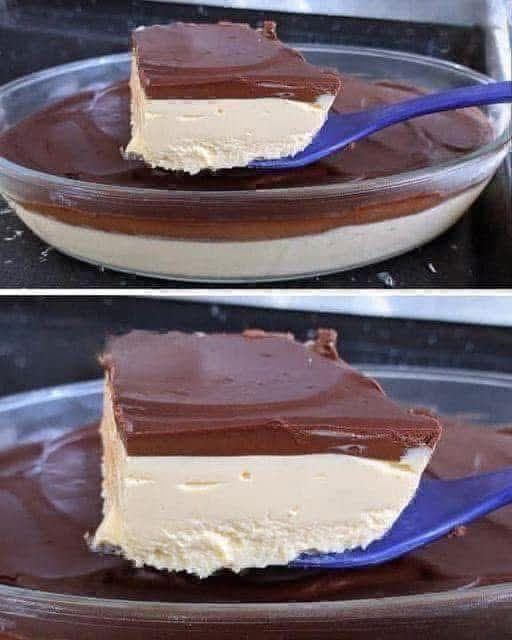
Few desserts capture the essence of indulgence quite like the lava cake. Also known as molten chocolate cake, this heavenly treat combines the richness of a chocolate cake with the gooey pleasure of a molten center that oozes out like lava when you cut into it. Whether you’re a professional baker or a passionate home cook, mastering this dessert is a journey worth taking.
A Sweet History
The exact origin of lava cake is a topic of sweet debate among dessert enthusiasts. Many attribute its creation to French chef Michel Bras, who first introduced the concept of a chocolate cake with a liquid center in 1981. However, American chef Jean-Georges Vongerichten is often credited with popularizing the dessert in the 1990s, when he accidentally underbaked a chocolate cake, discovering that the center remained molten. Whatever its origin, the dessert quickly became a symbol of elegance and indulgence, frequently appearing in fine-dining restaurants around the world.
Ingredients That Make Magic
The magic of lava cake lies in its simplicity. Unlike many elaborate desserts, it requires only a handful of basic ingredients, but each one plays a crucial role in achieving the perfect texture:
-
High-quality chocolate: Use at least 60–70% cocoa for a rich, deep flavor. Semi-sweet chocolate also works well.
-
Unsalted butter: Adds creaminess and helps the cake hold its shape while keeping the center molten.
-
Eggs: Both whole eggs and egg yolks are used. The yolks add richness, while the whites help the cake rise slightly.
-
Sugar: Balances the bitterness of chocolate without overpowering it.
-
Flour: Just a small amount is needed to provide structure without making the cake dense.
-
Optional flavorings: A pinch of salt, a splash of vanilla extract, or a teaspoon of espresso powder can enhance the chocolate flavor.
The simplicity of these ingredients makes lava cake accessible to both beginners and seasoned bakers.
Step-by-Step Recipe
Creating the perfect lava cake requires attention to timing and temperature. Here’s a detailed guide:
Ingredients (Serves 4)
-
100 g (3.5 oz) dark chocolate
-
100 g (3.5 oz) unsalted butter
-
2 whole eggs
-
2 egg yolks
-
50 g (1/4 cup) sugar
-
25 g (2 tbsp) all-purpose flour
-
Pinch of salt
-
Butter and cocoa powder for greasing ramekins
Instructions
-
Preheat your oven to 220°C (425°F). Grease four ramekins with butter and dust with cocoa powder to prevent sticking.
-
Melt chocolate and butter together in a heatproof bowl over a pot of simmering water (double boiler method), stirring until smooth. Remove from heat and let it cool slightly.
-
Whisk eggs and sugar together in a separate bowl until pale and frothy. This step ensures a light texture.
-
Combine the chocolate mixture with the eggs, gently folding them together. Avoid overmixing to keep the cake tender.
-
Sift in the flour and salt, folding gently until fully incorporated. The batter should be smooth and glossy.
-
Divide the batter evenly among the prepared ramekins. Place them on a baking sheet.
-
Bake for 10–12 minutes. The edges should be set while the centers remain soft. Baking times may vary slightly depending on your oven.
-
Remove from oven and let the cakes rest for 1–2 minutes. Carefully invert onto plates. The molten center should flow out when you cut into the cake.
Serving Suggestions
Lava cake is a canvas for creativity. Traditionally, it is served warm with a dusting of powdered sugar. Other popular accompaniments include:
-
Vanilla ice cream: The contrast of warm cake and cold ice cream is irresistible.
-
Fresh berries: Strawberries, raspberries, or blueberries add a tart, fresh note.
-
Whipped cream: Light and fluffy, it balances the richness of chocolate.
-
Caramel or raspberry sauce: Adds an extra layer of flavor and elegance.
Tips for the Perfect Lava Cake
-
Use quality chocolate: The flavor depends heavily on chocolate, so choose a brand you love.
-
Don’t overbake: Timing is crucial. Overbaking will result in a fully set cake, losing the molten center.
-
Room temperature eggs: They incorporate more easily into the chocolate mixture, giving a smoother batter.
-
Prepare ramekins carefully: Properly greasing and dusting prevents sticking and ensures a perfect release.
-
Serve immediately: Lava cake is best enjoyed fresh out of the oven when the center is perfectly molten.
Why Lava Cake Is Universally Loved
Lava cake appeals to multiple senses: the rich aroma of chocolate, the delicate texture of cake, and the dramatic reveal of molten chocolate flowing out. It’s versatile too—it can be served at formal dinners, romantic evenings, or casual family gatherings. Its visual appeal and decadent flavor make it a dessert that leaves a lasting impression.
Moreover, lava cake embodies the joy of indulgence without being overly complicated. With just a few ingredients and some attention to technique, anyone can create a dessert that feels gourmet yet comforting.
Conclusion
The lava cake is more than just a dessert; it’s an experience. From the first spoonful of warm, molten chocolate to the lingering sweetness on your palate, it celebrates the joy of chocolate in its purest form. By mastering the balance of rich cake and liquid center, you can transform a few simple ingredients into a show-stopping dessert that delights every chocolate lover. Whether served with ice cream, berries, or a drizzle of sauce, lava cake remains an iconic treat that never fails to impress.
So, the next time you crave a dessert that’s both elegant and indulgent, give lava cake a try. With its molten heart and decadent flavor, it promises to satisfy even the most serious chocoholics.
