When we hear the words “mother’s cancer,” it often stops us cold. For many families, a mother’s illness is the moment when life suddenly feels fragile. Among the different cancers that affect women, breast cancer remains one of the most common worldwide. The hopeful truth is this: when detected early, breast cancer is highly treatable.
The challenge is that early signs are often subtle, painless, and easy to ignore. Many women dismiss them as hormonal changes, stress, or simple fatigue. Awareness can quite literally save lives. Below are four early warning signs of breast cancer that every woman should know, watch for, and never ignore.
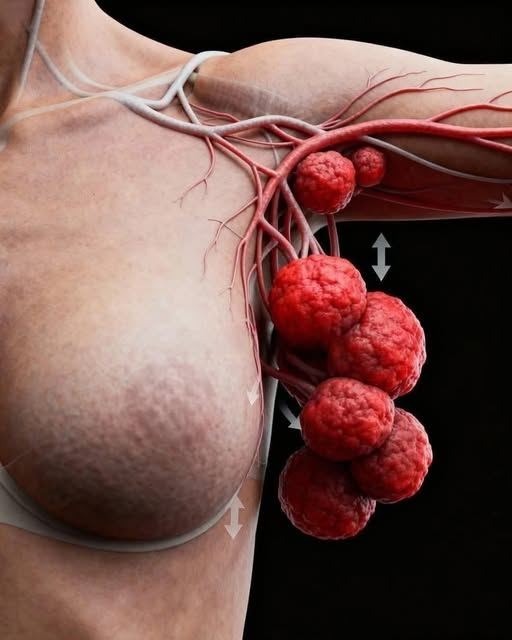
1. A Lump or Thickening in the Breast or Armpit
This is the most widely known warning sign, yet it’s also the one people misunderstand the most.
A cancer-related lump:
-
Is often hard
-
Has irregular edges
-
Usually feels different from surrounding tissue
-
May be painless
However, not all breast cancer lumps feel the same. Some are soft, round, and tender. Lumps can also appear in the armpit, where lymph nodes are located. This can happen even before changes are noticeable in the breast itself.
It’s important to remember that not every lump is cancer. Cysts, hormonal changes, and benign growths are common. But the key rule is simple:
👉 Any new lump, swelling, or thickening should be checked by a doctor, especially if it doesn’t go away after a menstrual cycle.
Regular self-exams help women become familiar with their normal breast texture, making unusual changes easier to detect early.
2. Changes in Breast Shape, Size, or Appearance
Breasts naturally change over time due to age, pregnancy, weight changes, and hormones. But sudden or unexplained changes deserve attention.
Early warning signs may include:
-
One breast becoming noticeably larger or lower than the other
-
Swelling in part of the breast
-
A change in the overall contour or shape
-
Breast skin that looks tight or stretched
Some women describe a feeling of “heaviness” in one breast that wasn’t there before. These changes can occur without pain, which is why they’re often overlooked.
Cancer can affect breast tissue deep beneath the surface, altering structure before a lump can even be felt. That’s why visual checks—looking at your breasts in the mirror with arms raised and lowered—are just as important as physical exams.
3. Skin Changes: Dimpling, Redness, or an “Orange Peel” Look
One of the most overlooked early warning signs involves changes in the skin of the breast.
Be alert for:
-
Dimpling or puckering of the skin
-
Redness or darkened patches
-
Skin that looks thickened or textured, similar to an orange peel
-
Persistent warmth or inflammation
These changes can indicate a rare but aggressive form known as inflammatory breast cancer, which often does not cause a distinct lump. Because it may resemble a skin infection or rash, many women delay medical care, assuming it will resolve on its own.
If redness, swelling, or skin texture changes do not improve within a few days, especially without fever or injury, medical evaluation is essential.
4. Nipple Changes or Unusual Discharge
The nipple can reveal early signs of deeper problems in the breast.
Warning signs include:
-
Inverted or retracted nipples that were previously normal
-
Changes in nipple position or shape
-
Flaking, crusting, or scaling around the nipple
-
Pain or burning sensation in the nipple area
-
Unusual discharge, especially if it is bloody, clear, or occurs without squeezing
While nipple discharge can be caused by hormonal changes or breastfeeding history, discharge that appears suddenly, affects only one breast, or contains blood should never be ignored.
In rare cases, persistent nipple skin changes may signal Paget’s disease of the breast, a form of cancer that often starts in the milk ducts.
Why Early Detection Matters So Much
When breast cancer is found early:
-
Treatment is often less aggressive
-
Survival rates are significantly higher
-
Quality of life during and after treatment is better
Many mothers ignore symptoms because they are busy caring for others. They delay appointments, minimize discomfort, or hope signs will disappear. Unfortunately, cancer does not wait.
Routine screenings such as mammograms, clinical breast exams, and self-awareness are powerful tools. Women with a family history of breast or ovarian cancer should discuss earlier or more frequent screening with their healthcare provider.
A Message Every Mother and Daughter Should Hear
Cancer does not always announce itself loudly. Sometimes it whispers through small changes that are easy to brush aside. Listening to your body, trusting your instincts, and seeking medical advice early can make all the difference.
If you notice any unusual breast change, no matter how small, don’t panic—but don’t ignore it either. Early action can save your life or the life of someone you love.
