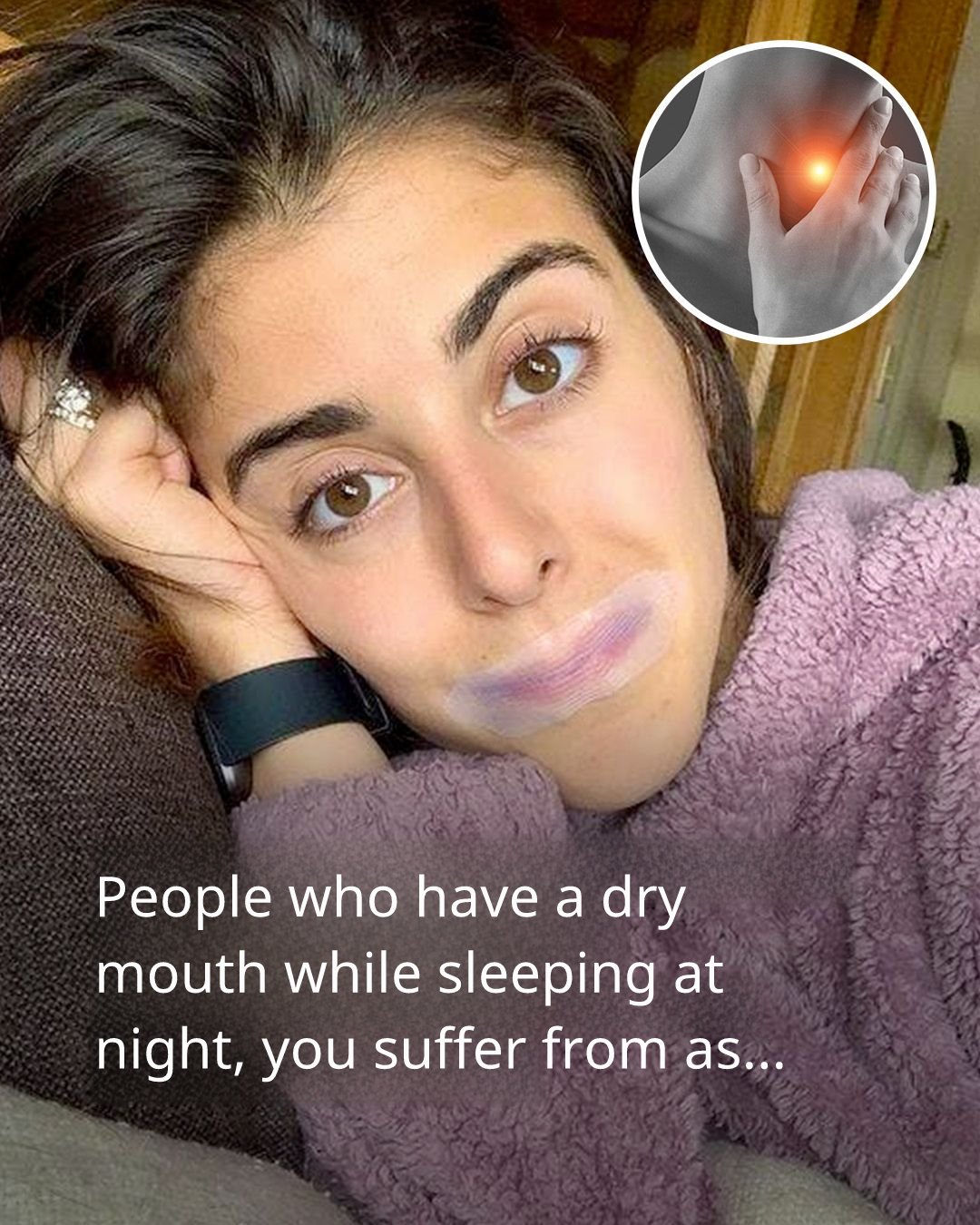
Waking up with a dry, sticky, pasty mouth is more than just uncomfortable—it’s your body’s way of telling you something is off. Many people notice that their mouth feels normal during the day but becomes dry at night, only to be worst first thing in the morning. This problem is common, especially as we get older, and it can have several overlapping causes. The good news? In most cases, there are simple, practical things you can do to improve it.
Why Your Mouth Gets Dry at Night
1. Mouth Breathing While You Sleep
One of the most common reasons for nighttime dry mouth is breathing through your mouth instead of your nose. When air constantly flows over the tongue and oral tissues, saliva evaporates quickly. Mouth breathing often happens because of:
-
A blocked or stuffy nose
-
Allergies
-
A deviated septum
-
Habitual open-mouth sleeping
If you wake up with a dry mouth and a sore throat, mouth breathing is a strong suspect.
What helps:
Try nasal saline sprays before bed, manage allergies, and sleep on your side. In some cases, nasal strips can make a noticeable difference.
2. Reduced Saliva Production at Night
Saliva production naturally decreases when you sleep. That’s normal. But if your body already produces less saliva than it should, the dryness becomes obvious and uncomfortable. Saliva isn’t just for comfort—it protects teeth, gums, and helps control bacteria.
What helps:
Sip water before bed (not excessive amounts), and avoid alcohol or caffeine in the evening, as both reduce saliva flow.
3. Dehydration
If your body is low on fluids, your mouth will often be the first place you feel it. Dehydration can happen even if you think you’re drinking enough water—especially if you:
-
Drink coffee or tea late in the day
-
Eat salty or spicy foods at night
-
Sweat a lot
-
Live in a hot or dry climate
What helps:
Drink water consistently throughout the day, not all at once at night. A small glass of water before bed is fine, but daytime hydration matters most.
4. Medications
Many common medications list dry mouth as a side effect. These include:
-
Blood pressure medications
-
Antidepressants and anti-anxiety drugs
-
Antihistamines
-
Sleep aids
-
Pain medications
If your dry mouth started after beginning a new medication, this may be the cause.
What helps:
Never stop a medication on your own. Instead, talk to your doctor or pharmacist—sometimes adjusting the dose or timing helps, or an alternative medication can be used.
5. Sleeping with Your Mouth Open Due to Snoring or Sleep Apnea
Snoring and obstructive sleep apnea often go hand in hand with dry mouth. When airflow is restricted, people instinctively open their mouths to breathe, drying out oral tissues overnight.
What helps:
If you snore loudly, wake up gasping, or feel unrefreshed in the morning, a medical evaluation is important. Treating sleep apnea often resolves dry mouth as well.
6. Poor Indoor Air Quality
Dry air—especially in winter or in air-conditioned rooms—can pull moisture from your mouth and throat all night long.
What helps:
Using a humidifier in your bedroom can significantly improve nighttime dryness. Aim for moderate humidity, not damp air.
7. Blood Sugar Imbalances
High blood sugar levels can cause excessive thirst and dry mouth, particularly noticeable at night and upon waking. This is common in people with diabetes or prediabetes.
What helps:
If dry mouth is persistent and accompanied by frequent urination, fatigue, or blurry vision, a blood sugar test is important.
8. Oral Health Issues
Gum disease, cavities, oral infections, and poorly fitting dentures can worsen dryness and create a thick, pasty feeling in the mouth.
What helps:
Regular dental checkups, good oral hygiene, and avoiding alcohol-based mouthwashes can help restore balance.
What You Can Do Tonight
Here are simple steps that often bring quick relief:
-
Drink water regularly during the day
-
Avoid alcohol, smoking, and caffeine in the evening
-
Use a humidifier in your bedroom
-
Breathe through your nose—address congestion early
-
Chew sugar-free gum during the day to stimulate saliva
-
Switch to a gentle, alcohol-free mouthwash
-
Brush your tongue gently to reduce bacteria buildup
For severe dryness, saliva substitutes or oral moisturizing gels (available at pharmacies) can be helpful.
When to See a Doctor
Occasional dry mouth is normal. But if it’s happening every night, lasts for weeks, or comes with other symptoms like difficulty swallowing, bad breath, cracked lips, or dental problems, it’s time to get it checked. Chronic dry mouth isn’t just annoying—it increases the risk of tooth decay, infections, and gum disease.
The Bottom Line
A dry, pasty mouth in the morning is usually a sign of mouth breathing, dehydration, medication effects, or reduced saliva flow at night. Small changes—like better hydration, humid air, and nasal breathing—can make a big difference. Listen to your body. When dryness becomes persistent, it’s not something to ignore, but it is something that can almost always be improved with the right approach.
