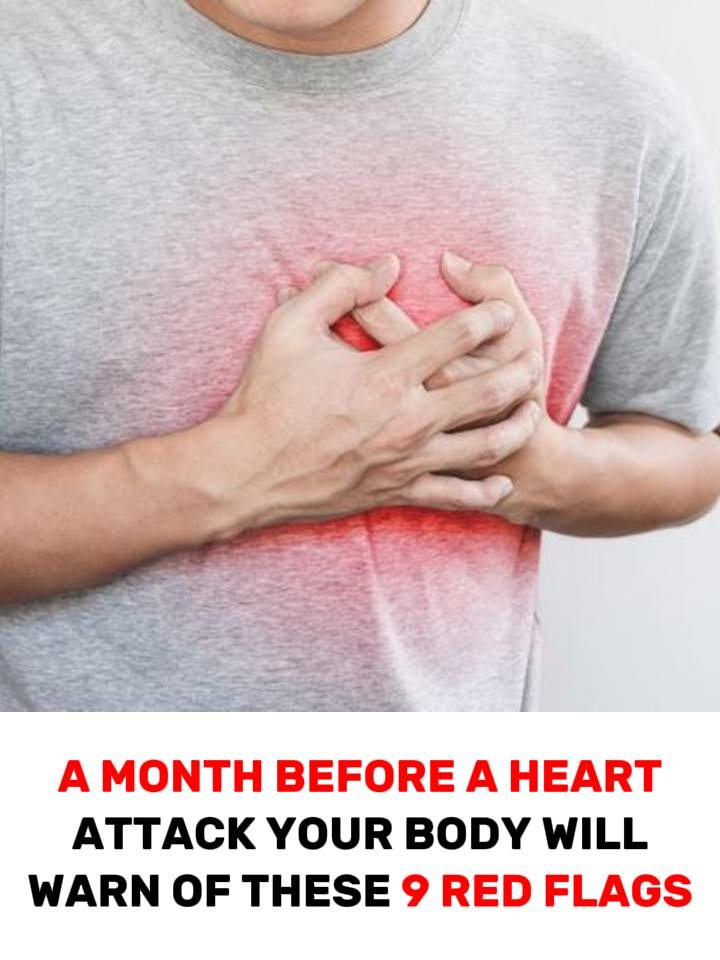
Heart disease remains the leading cause of death worldwide, and a heart attack can often strike without warning. However, recent studies and medical observations indicate that your body sometimes gives subtle signs weeks before a heart attack occurs. Recognizing these early warnings can save lives, allowing timely medical intervention before a major cardiac event. Here are six symptoms that may appear up to a month before a heart attack and why they should never be ignored.
1. Unexplained Fatigue
Feeling unusually tired after your usual activities may seem harmless, but persistent fatigue is one of the most common early warning signs of heart trouble. According to the American Heart Association, fatigue can occur weeks before a heart attack, especially in women. This isn’t ordinary tiredness caused by a long day; it’s often a deep, overwhelming exhaustion that rest does not alleviate.
The underlying cause is usually reduced blood flow to the heart. When your heart struggles to pump efficiently due to narrowed arteries, your muscles and organs receive less oxygen, leaving you drained even after minor activities. If fatigue suddenly intensifies or persists without a clear reason, it’s time to consult a doctor.
2. Shortness of Breath
Shortness of breath or difficulty breathing is another subtle warning sign of impending heart problems. You might notice this while performing routine tasks like climbing stairs or carrying groceries. This symptom occurs because the heart is no longer able to pump blood efficiently, causing fluid to build up in the lungs.
This symptom is particularly concerning when combined with other signs like fatigue or chest discomfort. Women, in particular, may experience this without the classic chest pain associated with heart attacks, making it easy to overlook.
3. Chest Discomfort or Pressure
While chest pain is the most well-known symptom of a heart attack, the type of discomfort experienced a month before the event can be different. It may not be sharp or intense; instead, it can feel like pressure, tightness, or mild squeezing in the chest.
This sensation often comes and goes and might be triggered by physical exertion or stress. Because it is intermittent and mild, many people ignore it. However, even mild chest discomfort is a serious warning that should prompt immediate medical evaluation.
4. Swelling in Legs, Ankles, or Feet
Swelling, or edema, is a sign that your heart is struggling to pump blood effectively. When blood flow slows, fluid can accumulate in the lower extremities, causing noticeable swelling in your legs, ankles, or feet.
If you notice that your shoes feel tighter than usual or you develop unexplained swelling, this could indicate heart dysfunction. Early detection and treatment of heart-related fluid retention can prevent complications and potentially reduce the severity of a heart attack.
5. Irregular Heartbeats
Palpitations, or an irregular heartbeat, can also occur in the weeks leading up to a heart attack. You might feel your heart racing, skipping beats, or fluttering unexpectedly. These sensations occur because the heart’s electrical system is affected by compromised blood flow or damage to heart tissue.
Not all palpitations indicate a serious problem, but when combined with other warning signs like fatigue, chest pressure, or shortness of breath, they should be taken seriously. Consulting a cardiologist for an electrocardiogram (ECG) or other heart function tests can help identify potential risks early.
6. Persistent Indigestion or Nausea
Some people experience gastrointestinal symptoms in the month before a heart attack. Persistent indigestion, nausea, or a feeling of fullness may be mistaken for stomach issues, but they can be warning signs of heart problems, particularly in women.
These symptoms occur because reduced blood flow to the heart can affect the digestive system, causing discomfort that seems unrelated to the heart. When these symptoms appear alongside fatigue, shortness of breath, or chest discomfort, they should be treated as red flags.
Why Early Detection Matters
Recognizing these subtle warning signs is crucial. According to the Centers for Disease Control and Prevention (CDC), early intervention can significantly reduce the damage caused by a heart attack. Lifestyle modifications, medications, or procedures such as angioplasty can prevent a full-blown heart attack if detected early.
Ignoring these early symptoms can be fatal. Many people attribute these warning signs to aging, stress, or minor ailments, delaying critical treatment. Paying attention to your body, keeping regular medical checkups, and communicating any unusual symptoms to a healthcare provider can make a life-saving difference.
Conclusion
A heart attack doesn’t always strike suddenly without warning. In many cases, your body provides early alerts up to a month in advance. Symptoms like persistent fatigue, shortness of breath, chest discomfort, swelling in the legs, irregular heartbeats, and gastrointestinal issues are all signals that your heart may be under stress.
If you experience one or more of these symptoms, do not dismiss them. Seek medical attention promptly. Early recognition and timely intervention can not only prevent a heart attack but also save your life. Your heart works tirelessly every day—listening to it could be the key to protecting your future.
