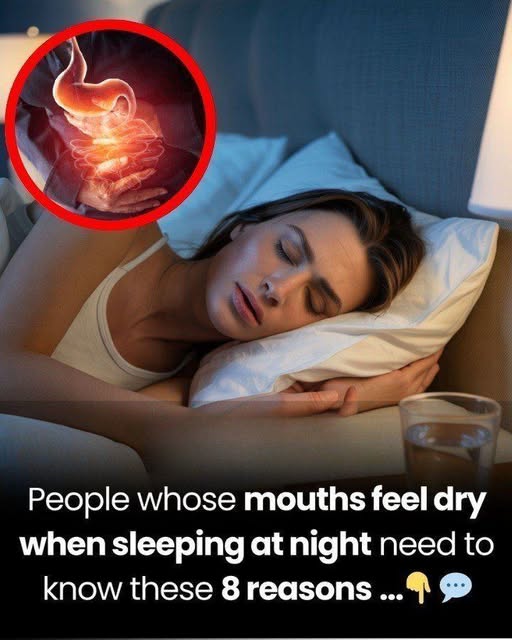
People Whose Mouths Feel Dry When Sleeping at Night Need to Know These 8 Reasons
Waking up in the middle of the night with a dry, sticky mouth—or starting your morning feeling thirsty even after a full night’s sleep—is more common than you might think. Occasional dryness can happen to anyone, but if it keeps showing up night after night, your body may be trying to tell you something important. Dry mouth at night, medically known as nocturnal xerostomia, isn’t just uncomfortable; it can affect oral health, sleep quality, and overall well-being. Let’s break down the 8 most common reasons your mouth feels dry while sleeping—and what they mean for your health.
1. Sleeping With Your Mouth Open
One of the most frequent and overlooked causes of nighttime dry mouth is mouth breathing. When you sleep with your mouth open, airflow constantly dries out saliva, leaving your mouth parched by morning. This often happens due to nasal congestion, allergies, sinus infections, or even habitual sleeping positions. Mouth breathing doesn’t just cause dryness—it can also lead to sore throats, bad breath, and poor sleep quality.
2. Dehydration During the Day
If your body lacks enough fluids, saliva production naturally decreases. Many people drink very little water during the day and assume a glass before bed is enough. Unfortunately, it’s not. Dehydration builds gradually, and nighttime dryness is one of the earliest warning signs. Caffeine, salty foods, and sugary drinks can worsen dehydration, making your mouth feel even drier while you sleep.
3. Medications That Reduce Saliva
Hundreds of commonly prescribed and over-the-counter medications list dry mouth as a side effect. These include drugs for allergies, colds, depression, anxiety, high blood pressure, and pain relief. Many of these medications suppress saliva production, especially during sleep when saliva flow naturally slows down. If your dry mouth started after beginning a new medication, this could be the cause.
4. Snoring and Sleep Apnea
People who snore or suffer from sleep apnea often breathe through their mouths for long periods at night. Sleep apnea repeatedly interrupts breathing, forcing the body to gasp for air, which dries out the mouth. Chronic dry mouth accompanied by loud snoring, morning headaches, or daytime fatigue may be a sign of an underlying sleep disorder that should not be ignored.
5. Dry Air in the Bedroom
Environmental factors matter more than most people realize. Air conditioners, heaters, and fans reduce humidity in the room, especially during winter or hot summers. Dry air pulls moisture from your mouth and nasal passages while you sleep. If you wake up with a dry mouth and dry skin or lips, your bedroom air may be too dry.
6. Smoking or Tobacco Use
Smoking cigarettes or using other tobacco products significantly reduces saliva production. Tobacco irritates oral tissues and interferes with the salivary glands, leading to chronic dryness—often worse at night. Smokers are also more likely to experience gum disease, bad breath, and tooth decay, all of which are aggravated by dry mouth.
7. Acid Reflux and Digestive Issues
Nighttime acid reflux, also known as GERD, can contribute to dry mouth. Stomach acid reaching the throat irritates the oral cavity and disrupts normal saliva flow. Many people with reflux sleep with their mouths open to relieve discomfort, which worsens dryness. A sour taste, burning sensation, or frequent throat clearing along with dry mouth may point to digestive problems.
8. Underlying Health Conditions
Chronic dry mouth can sometimes be linked to medical conditions such as diabetes, thyroid disorders, autoimmune diseases, or nerve damage. High blood sugar levels, for example, increase urination and dehydration, reducing saliva production. If your dry mouth is persistent, severe, or paired with other symptoms like excessive thirst or fatigue, it may require medical attention.
Why Nighttime Dry Mouth Shouldn’t Be Ignored
Saliva plays a critical role in oral health. It helps neutralize acids, wash away bacteria, and protect teeth from decay. When your mouth stays dry overnight, harmful bacteria multiply more easily, increasing the risk of cavities, gum disease, mouth infections, and bad breath. Over time, untreated dry mouth can seriously damage your teeth and gums.
Simple Steps to Reduce Dry Mouth at Night
Staying well-hydrated throughout the day, limiting caffeine and alcohol, using a humidifier, and addressing nasal congestion can make a noticeable difference. Avoid smoking, practice good oral hygiene, and consider discussing medication side effects with a healthcare professional if dryness persists.
Final Thoughts
A dry mouth during sleep isn’t just a minor annoyance—it’s often a sign of dehydration, breathing issues, medication effects, or underlying health concerns. Paying attention to this symptom can help you protect your oral health, improve sleep quality, and catch potential problems early. If dry mouth continues despite lifestyle changes, seeking professional advice is always a smart move.
