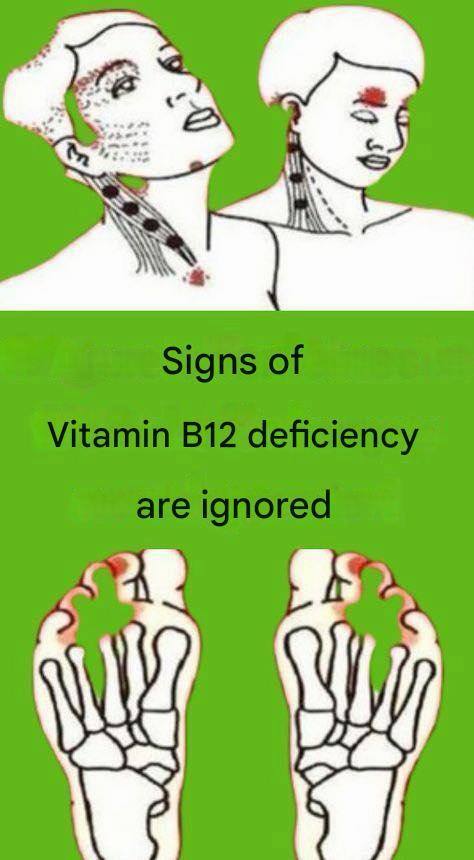
Vitamin B12 is one of the most important nutrients your body needs to function properly, yet many people are deficient without realizing it. Because the symptoms can develop slowly and mimic other health issues, they are often overlooked or misinterpreted. Ignoring these early warning signs can lead to serious health complications over time, including nerve damage and cognitive decline. Understanding the subtle and obvious symptoms can help you take action early and protect your long-term health.
Vitamin B12 plays a key role in producing red blood cells, maintaining nerve function, and supporting DNA production. It is mostly found in animal-based foods like meat, fish, eggs, and dairy. People who follow vegetarian or vegan diets, older adults, and individuals with digestive disorders are at higher risk of deficiency.
Below are some of the most commonly ignored signs of vitamin B12 deficiency.
1. Constant Fatigue and Weakness
One of the earliest and most common symptoms is persistent tiredness. When your body lacks B12, it cannot produce enough healthy red blood cells. This reduces oxygen delivery throughout your body, making you feel weak and exhausted even after rest.
Many people blame fatigue on stress, lack of sleep, or aging, which is why this symptom is often ignored. If you feel tired despite sleeping well and eating normally, B12 deficiency could be a hidden cause.
2. Tingling or Numbness in Hands and Feet
Vitamin B12 is essential for maintaining the protective coating around nerves. When levels drop, nerve signals can become disrupted, leading to pins-and-needles sensations, numbness, or burning feelings in the hands, legs, or feet.
Because these sensations can come and go, many people ignore them or assume poor circulation is to blame.
3. Pale or Slightly Yellow Skin
Low B12 levels can reduce red blood cell production and cause cells to break down faster than normal. This can result in pale skin or a slight yellow tint, similar to mild jaundice.
Since skin tone can vary naturally, this symptom is frequently missed unless it becomes severe.
4. Shortness of Breath and Dizziness
When red blood cell levels are low, oxygen transport decreases. This can make you feel breathless during normal activities like climbing stairs or walking short distances. You might also experience dizziness or lightheadedness.
Many people mistake this for poor fitness or dehydration.
5. Memory Problems and Difficulty Concentrating
Vitamin B12 supports brain function and nerve communication. Deficiency can lead to brain fog, confusion, forgetfulness, or trouble focusing.
These symptoms are often ignored or mistaken for stress, aging, or lack of sleep. In severe cases, prolonged deficiency can contribute to long-term neurological damage.
6. Mood Changes and Depression
Low B12 levels can affect neurotransmitters that regulate mood. Some people experience irritability, anxiety, or depression.
Since mental health symptoms have many causes, B12 deficiency is rarely considered first.
7. Mouth Ulcers and Tongue Changes
A swollen, red, or smooth tongue can be a surprising sign of B12 deficiency. Some people also develop mouth ulcers or burning sensations.
These symptoms are often blamed on spicy foods, dental issues, or minor infections.
8. Vision Problems
Untreated B12 deficiency can damage the optic nerve, leading to blurred or disturbed vision. This is less common but can occur if deficiency continues for a long time.
9. Heart Palpitations
Because your body is working harder to deliver oxygen, you may notice rapid or irregular heartbeats. Many people assume this is caused by anxiety or caffeine.
Who Is Most at Risk?
Certain groups are more likely to develop vitamin B12 deficiency:
-
Adults over age 50
-
Vegetarians and vegans
-
People with stomach or intestinal disorders
-
Individuals taking acid-reducing medications
-
People who have had weight-loss surgery
Why Early Detection Matters
Ignoring B12 deficiency can lead to serious complications, including:
-
Permanent nerve damage
-
Balance and walking problems
-
Severe anemia
-
Cognitive decline
The good news is that B12 deficiency is usually easy to treat once diagnosed. Treatment may include dietary changes, oral supplements, or injections depending on severity.
When to See a Doctor
If you experience multiple symptoms—especially fatigue, numbness, memory problems, or dizziness—it is wise to request a blood test. Early treatment can reverse most symptoms and prevent permanent damage.
Final Thoughts
Vitamin B12 deficiency is more common than many people think, and its symptoms are easy to ignore. Because the signs often develop slowly and resemble other health conditions, people may go years without realizing they have a problem.
Listening to your body is essential. Persistent fatigue, nerve sensations, mood changes, or cognitive issues should never be dismissed as “normal.” With proper testing and treatment, vitamin B12 deficiency is manageable and often reversible.
Taking care of your nutritional health today can protect your brain, nerves, and energy levels for years to come.
