In a fast-paced world that often glorifies constant productivity, taking a nap can feel like an indulgence or even a weakness. Yet science increasingly shows the opposite: a well-timed nap is one of the most powerful tools for stimulating the mind. Far from being wasted time, short periods of sleep during the day can significantly improve learning ability, strengthen memory, and sharpen perception of the environment. In essence, napping is not about doing less—it’s about enabling the brain to do more.
The Brain Needs Rest to Learn
Learning is not just about exposure to information; it’s about how well the brain processes and organizes what it receives. Throughout the day, our brains are bombarded with stimuli—conversations, screens, tasks, sounds, and decisions. As this information accumulates, mental fatigue sets in, making it harder to absorb new material. A nap acts as a reset button.
During sleep, especially in the lighter stages of non-REM sleep, the brain clears out irrelevant neural activity and prepares itself for new input. This creates “space” for learning. Studies have shown that people who take short naps after learning something new perform better when tested later than those who stay awake. In practical terms, a nap before studying can make learning more efficient, while a nap after studying can help lock information in.
Memory Consolidation Happens While You Sleep
One of the most powerful cognitive benefits of napping is improved memory. Memory is not formed instantly; it develops in stages. First, information is encoded while you are awake. Then, it must be consolidated—strengthened and stored—before it can be reliably recalled. Sleep plays a critical role in this process.
During naps, the brain replays recent experiences and transfers them from short-term storage in the hippocampus to long-term storage in the cortex. This is why a nap after learning can dramatically improve recall. Whether it’s memorizing vocabulary, learning a new skill, or remembering details from a meeting, a nap helps stabilize those memories and protect them from interference.
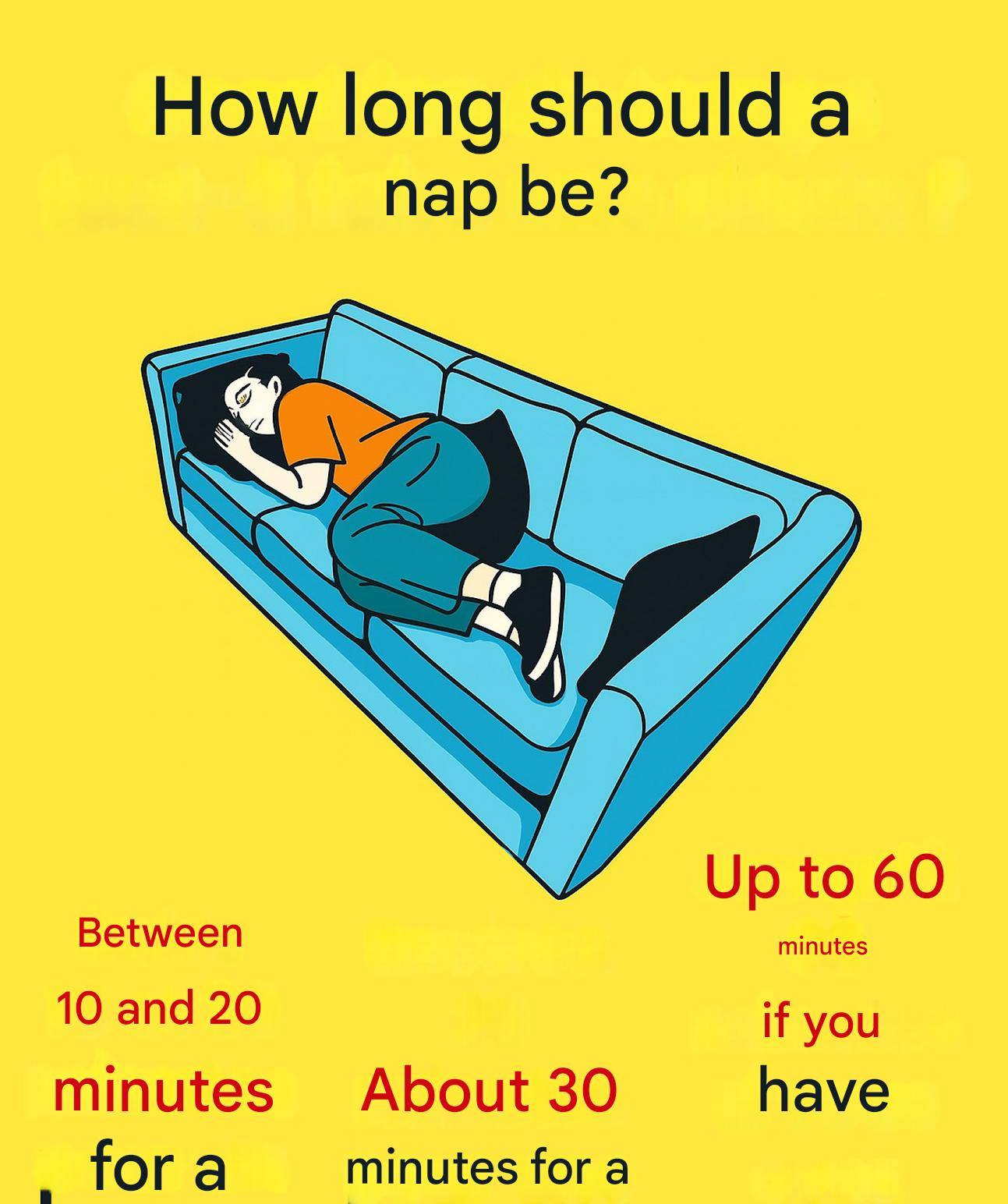
Even brief naps of 10 to 30 minutes can enhance memory performance. Longer naps that include deeper sleep stages may provide even greater benefits, especially for complex information and emotional memories. This makes napping particularly useful for students, professionals, and anyone engaged in mentally demanding work.
Enhanced Perception and Environmental Awareness
Perception—the ability to interpret and respond to your surroundings—also improves after a nap. Mental fatigue dulls the senses, slowing reaction time and reducing accuracy. This is especially noticeable in tasks that require attention to detail, quick decision-making, or spatial awareness.
After a nap, people often experience sharper focus and heightened alertness. Visual perception becomes clearer, auditory processing improves, and reaction times shorten. This is because sleep restores the brain’s attentional networks, allowing them to function more efficiently. In real-world terms, this can translate to safer driving, better performance at work, and improved coordination in physical activities.
Napping also reduces the “noise” in the brain—the unnecessary neural chatter that builds up during prolonged wakefulness. With this noise reduced, the brain can more accurately interpret sensory information, making you more aware of subtle changes in your environment.
Creativity and Problem-Solving Get a Boost
Beyond memory and perception, naps are known to enhance creativity and problem-solving. When you sleep, the brain makes new connections between ideas that may not seem related while you’re awake. This associative thinking is essential for insight and innovation.
Many people report waking from a nap with fresh ideas or sudden clarity about a problem they were struggling with earlier. This isn’t coincidence. Sleep allows the brain to step back from rigid thought patterns and explore alternative solutions. Even short naps can improve performance on tasks that require flexible thinking and pattern recognition.
The Ideal Nap: Timing and Duration Matter
Not all naps are created equal. To get the cognitive benefits without grogginess, timing and duration are important. The best time to nap is usually in the early afternoon, when the body naturally experiences a dip in alertness. Napping too late in the day can interfere with nighttime sleep.
As for duration, short naps of 10 to 20 minutes are ideal for a quick mental boost. These “power naps” improve alertness and focus without entering deep sleep. Longer naps of 60 to 90 minutes can include deeper sleep stages and may enhance memory and creativity, but they also carry a higher risk of sleep inertia—the groggy feeling after waking.
Napping Is a Sign of Brain Wisdom, Not Laziness
Culturally, napping is often misunderstood. In many societies, it’s seen as unproductive. Yet from a biological perspective, napping is a natural and intelligent response to mental overload. Children nap instinctively because their brains are developing rapidly. Adults, too, benefit from respecting the brain’s need for rest.
Rather than pushing through fatigue with caffeine or stress, a short nap offers a healthier and more effective solution. It supports brain health, improves emotional regulation, and enhances overall cognitive performance.
Conclusion
Taking a nap is one of the simplest yet most powerful ways to stimulate your mind. By improving learning ability, strengthening memory, and sharpening perception of the environment, naps help the brain function at its best. In a world that demands constant mental output, giving your brain permission to rest may be the smartest productivity strategy of all. Instead of fighting fatigue, embrace the nap—and wake up mentally refreshed, focused, and ready to perform.
