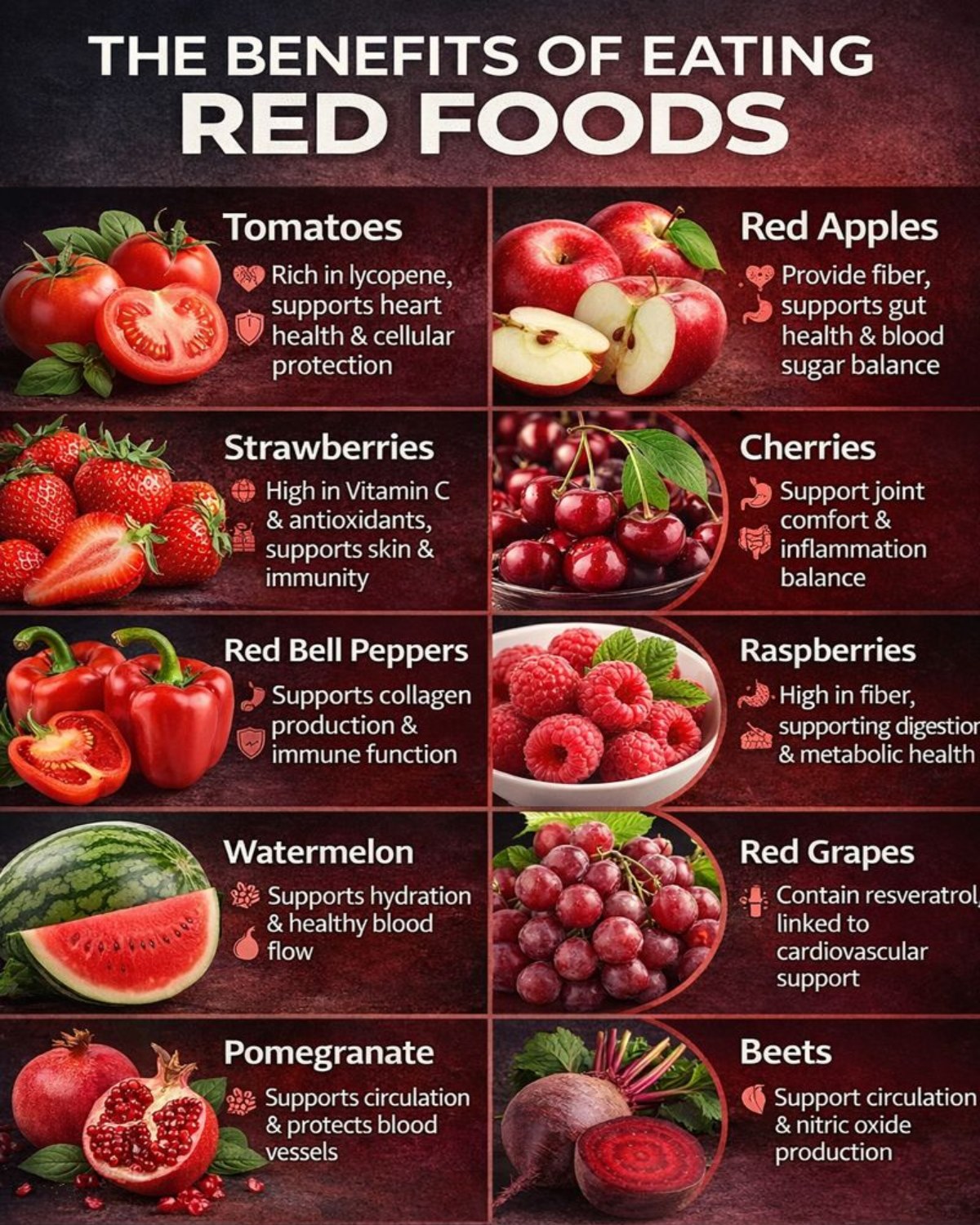
The Benefits of Eating Red: Why Red Foods Deserve a Place on Your Plate
When it comes to healthy eating, color matters more than many people realize. Nutrition experts often recommend “eating the rainbow,” and red foods are one of the most powerful colors you can choose. From vibrant tomatoes and strawberries to deep red beets and pomegranates, red fruits and vegetables are packed with nutrients that support heart health, fight inflammation, boost immunity, and even protect against certain chronic diseases. Let’s explore in detail why eating red is so beneficial for your body and overall well-being.
1. Rich in Powerful Antioxidants
Red foods are especially high in antioxidants, natural compounds that protect your cells from damage caused by free radicals. One of the most well-known antioxidants found in red foods is lycopene, abundant in tomatoes, watermelon, and pink grapefruit. Lycopene has been linked to a reduced risk of heart disease and certain cancers, particularly prostate cancer.
Other red foods like cherries, raspberries, and red grapes contain anthocyanins, antioxidants that give them their rich red or purple hue. These compounds help reduce oxidative stress, slow cellular aging, and support overall health.
2. Support Heart Health
Eating red foods regularly can have a significant positive impact on your heart. Tomatoes help lower LDL (bad) cholesterol levels, while strawberries and red apples improve blood vessel function. Beets are especially known for their heart benefits; they contain natural nitrates that help relax blood vessels, improve blood flow, and lower blood pressure.
Red grapes and berries also support heart health by reducing inflammation and preventing plaque buildup in the arteries. Together, these effects can lower the risk of heart attacks and strokes.
3. Boost Immunity Naturally
Many red fruits and vegetables are rich in vitamin C, a key nutrient for a strong immune system. Strawberries, red bell peppers, and cherries help stimulate white blood cell production, enabling your body to fight infections more effectively.
Additionally, the antioxidants in red foods reduce inflammation and support gut health, which plays a major role in immune function. A stronger immune system means fewer illnesses and faster recovery.
4. Improve Skin and Slow Aging
If you’re looking for glowing, youthful skin, red foods can help. The antioxidants and vitamins found in red fruits and vegetables protect skin cells from sun damage and environmental stress. Lycopene, in particular, has been shown to help protect the skin from UV damage.
Vitamin C found in strawberries and red peppers also supports collagen production, keeping skin firm and elastic. Regular consumption of red foods may reduce wrinkles, dryness, and dullness over time.
5. Support Brain and Memory Function
Red foods don’t just benefit your body—they also nourish your brain. Berries such as strawberries, cherries, and raspberries contain compounds that improve communication between brain cells. Studies suggest that these foods may slow age-related memory decline and reduce the risk of neurodegenerative diseases like Alzheimer’s.
The anti-inflammatory properties of red foods also help protect brain tissue and improve focus, mood, and mental clarity.
6. Aid Digestion and Gut Health
Many red foods are high in dietary fiber, which is essential for healthy digestion. Apples, raspberries, and beets help regulate bowel movements, prevent constipation, and support beneficial gut bacteria.
A healthy gut not only improves digestion but also affects immunity, metabolism, and even mental health. Eating fiber-rich red foods regularly helps keep your digestive system balanced and efficient.
7. Help with Weight Management
Red foods can be very helpful if you’re trying to manage or lose weight. They are generally low in calories but high in water and fiber, helping you feel full longer. Strawberries, watermelon, and tomatoes satisfy sweet cravings naturally without added sugars.
Some research even suggests that red-colored foods may psychologically signal fullness, potentially helping control appetite and reduce overeating.
8. Protect Against Certain Cancers
The antioxidants and phytochemicals in red foods play a role in cancer prevention. Lycopene has been studied extensively for its potential to reduce the risk of prostate, lung, and stomach cancers. Anthocyanins in berries may help inhibit the growth of cancer cells and reduce inflammation associated with cancer development.
While no single food can prevent cancer, a diet rich in red fruits and vegetables can be a powerful protective factor.
9. Easy Ways to Eat More Red Foods
Incorporating red foods into your daily meals is simple and delicious:
- Add tomatoes and red peppers to salads and omelets
- Snack on strawberries, cherries, or apples
- Drink fresh beet or watermelon juice
- Use tomato-based sauces instead of creamy ones
- Add pomegranate seeds to yogurt or oatmeal
