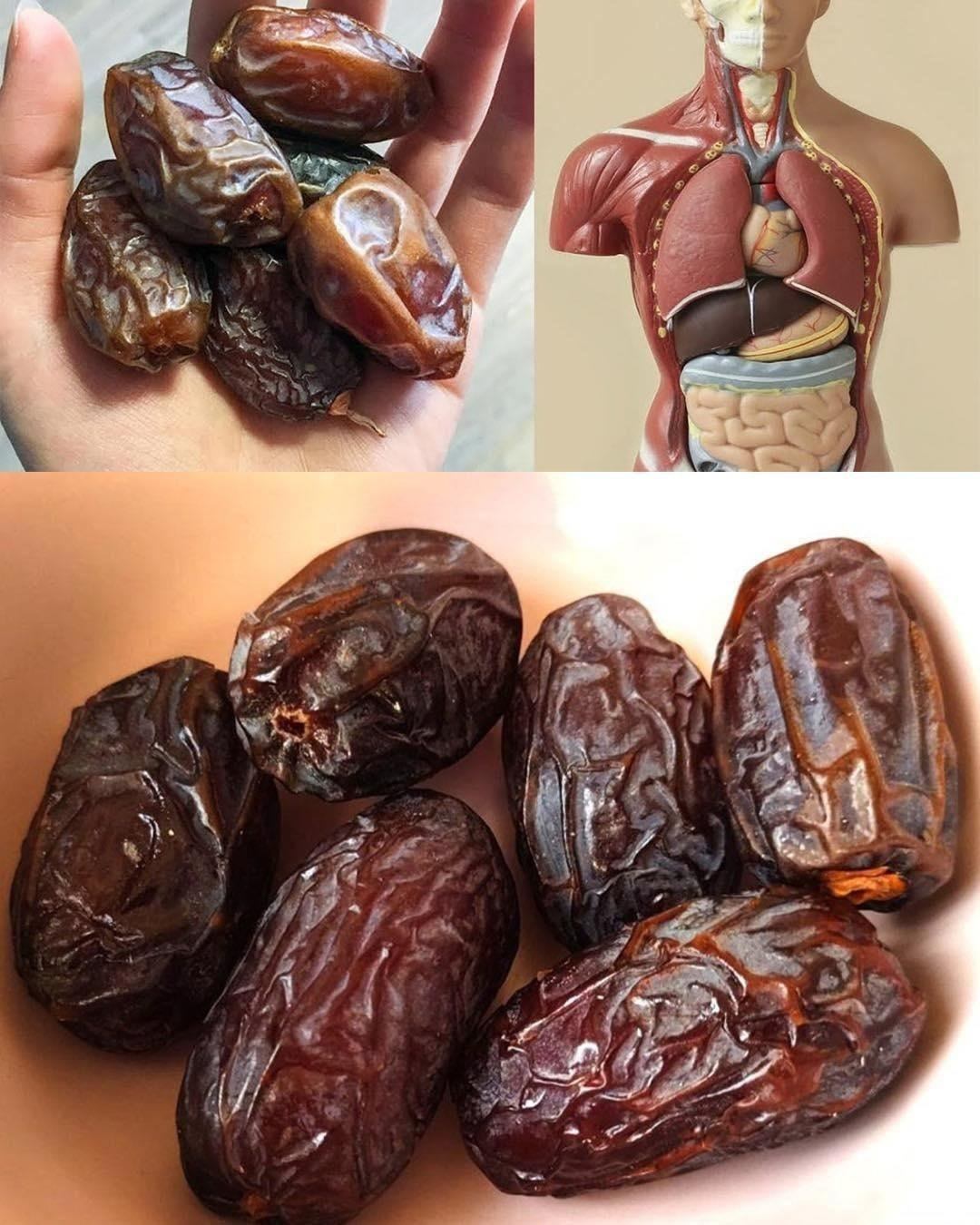
Dates, the sweet, chewy fruits of the date palm tree, have been cherished for thousands of years. Originating in the Middle East, these small but nutrient-dense fruits are not only delicious but also packed with a wide array of health benefits. From supporting digestive health to providing instant energy, dates are considered a superfood in many cultures. Let’s explore the incredible benefits of dates in detail.
1. Rich Source of Energy
Dates are naturally high in sugars like glucose, fructose, and sucrose, making them a quick and effective source of energy. This is why they are often consumed to break fasts during Ramadan, as they provide an immediate energy boost. Eating just a handful of dates can help replenish energy levels, making them an ideal snack for athletes or anyone in need of a natural pick-me-up. Unlike refined sugar, the natural sugars in dates are accompanied by fiber, vitamins, and minerals, which slow down sugar absorption and prevent spikes in blood sugar.
2. Packed with Essential Nutrients
Dates are a nutritional powerhouse. They are rich in essential vitamins and minerals, including vitamin A, vitamin K, vitamin B6, niacin, folate, magnesium, potassium, calcium, and iron. These nutrients play vital roles in maintaining overall health. For instance, potassium is crucial for heart health and regulating blood pressure, while magnesium supports muscle and nerve function. The iron content in dates helps combat anemia, especially in women who are prone to iron deficiency.
3. High in Fiber for Digestive Health
One of the most celebrated benefits of dates is their high dietary fiber content. Fiber promotes healthy digestion by adding bulk to stool and preventing constipation. Regular consumption of dates can help maintain bowel regularity and prevent digestive disorders. The fiber in dates also supports gut health by feeding beneficial bacteria in the intestines, which in turn improves nutrient absorption and strengthens immunity.
4. Natural Heart Health Booster
Dates are excellent for heart health due to their potassium, magnesium, and fiber content. Potassium helps regulate blood pressure, while magnesium contributes to proper heart function. Fiber, on the other hand, reduces cholesterol levels by removing LDL cholesterol from the bloodstream. Additionally, dates contain antioxidants such as flavonoids, carotenoids, and phenolic acid, which reduce inflammation and oxidative stress, lowering the risk of heart disease. Including dates in your diet may therefore promote a healthier cardiovascular system.
5. Rich in Antioxidants
Dates are loaded with powerful antioxidants, which protect the body against harmful free radicals. Free radicals can damage cells, accelerate aging, and increase the risk of chronic diseases like cancer and diabetes. The antioxidants in dates—such as flavonoids, carotenoids, and phenolic acid—help reduce inflammation, improve brain function, and support overall cellular health. Regular consumption of dates can therefore contribute to long-term disease prevention.
6. Supports Bone Health
Dates are a good source of minerals like calcium, phosphorus, potassium, and magnesium—all of which are essential for strong and healthy bones. Regular intake of dates may help prevent bone-related conditions such as osteoporosis, especially in older adults. The mineral content also supports joint health, reduces the risk of fractures, and aids in maintaining bone density over time.
7. Improves Brain Function
Research suggests that dates may play a role in promoting brain health. The antioxidants in dates help reduce inflammation in the brain, which is associated with neurodegenerative diseases such as Alzheimer’s. Some studies indicate that eating dates regularly may enhance memory, learning ability, and overall cognitive function. Additionally, dates’ natural sugars provide an instant energy boost for the brain, improving alertness and concentration.
8. Natural Aid for Labor and Pregnancy
Dates have been traditionally recommended for pregnant women, particularly in the last few weeks of pregnancy. Studies suggest that consuming dates during late pregnancy may promote cervical dilation and reduce the need for induced labor. Dates provide essential nutrients that support both maternal health and fetal development. They also help prevent anemia and boost energy levels, which are critical during pregnancy.
9. Helps Manage Blood Sugar Levels
Although dates are sweet, their high fiber content helps regulate blood sugar levels. The fiber slows down sugar absorption, preventing sudden spikes in blood glucose. Furthermore, dates have a low to medium glycemic index, making them a suitable natural sweetener for people with diabetes when consumed in moderation. Their combination of natural sugars, fiber, and nutrients makes them a healthier alternative to processed sugar.
10. Versatile and Easy to Incorporate
Apart from their health benefits, dates are incredibly versatile. They can be eaten raw, stuffed with nuts, blended into smoothies, added to desserts, or used as a natural sweetener in baking. This makes it easy to include dates in your daily diet without feeling deprived. Their natural sweetness allows them to replace refined sugar in many recipes, offering both taste and nutrition.
Conclusion
Dates are much more than just a sweet treat. Packed with essential vitamins, minerals, fiber, and antioxidants, they support heart health, digestion, bone strength, brain function, and energy levels. Their natural sweetness, coupled with a rich nutrient profile, makes them an ideal food for maintaining overall health and well-being. Regularly incorporating dates into your diet can provide long-term health benefits, making this ancient fruit as relevant today as it was thousands of years ago.
In short, whether you are looking for a natural energy booster, a heart-friendly snack, or a nutrient-packed addition to your meals, dates are a simple yet powerful choice. Their unique combination of taste and health benefits earns them the title of a true superfood.
